
Alien
landscapes
- Acidic and sulfurous lakes
- Lava fields and stone spires
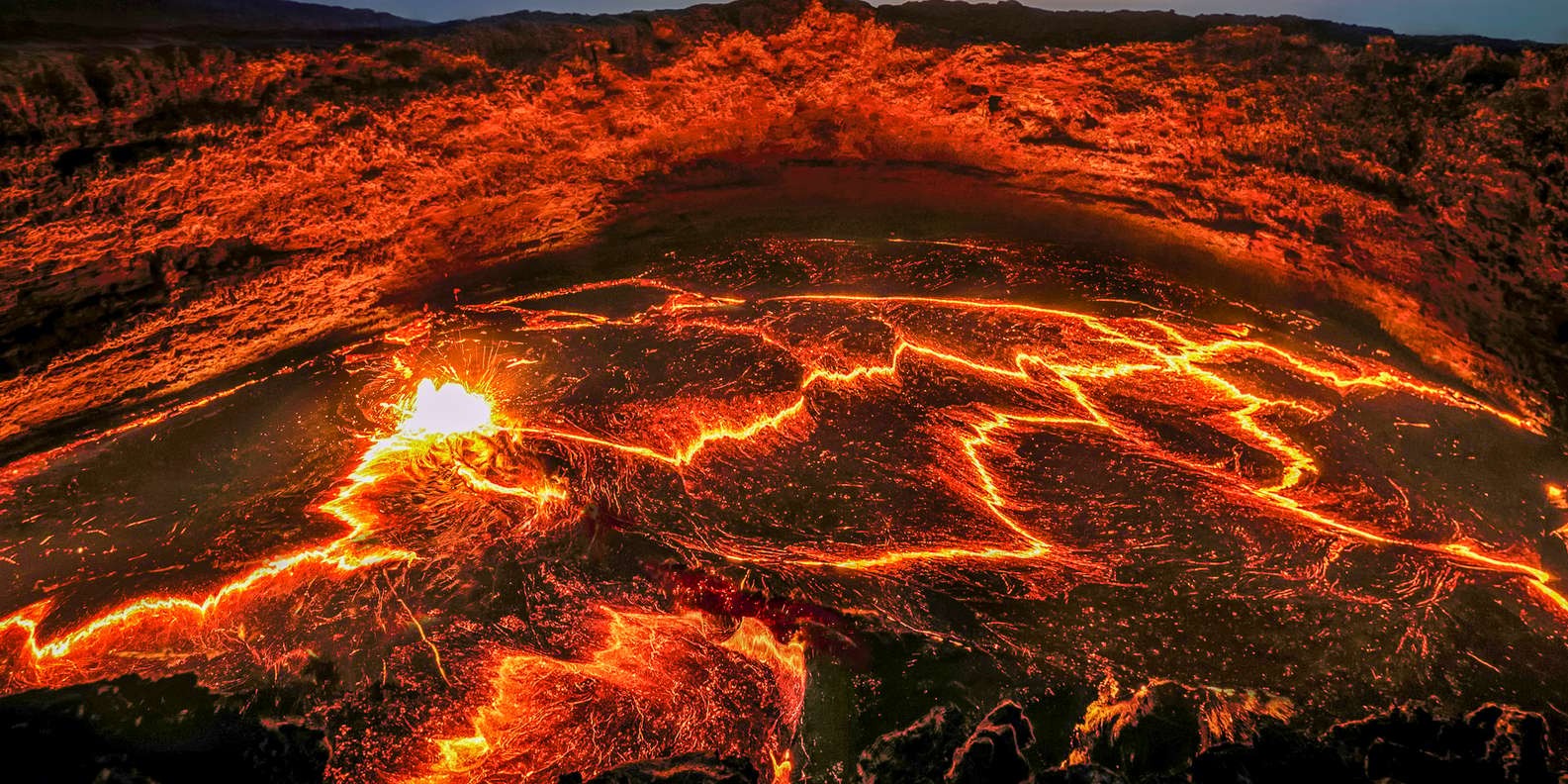
- Smoking craters and frozen waves of lava
The geography
of science fiction
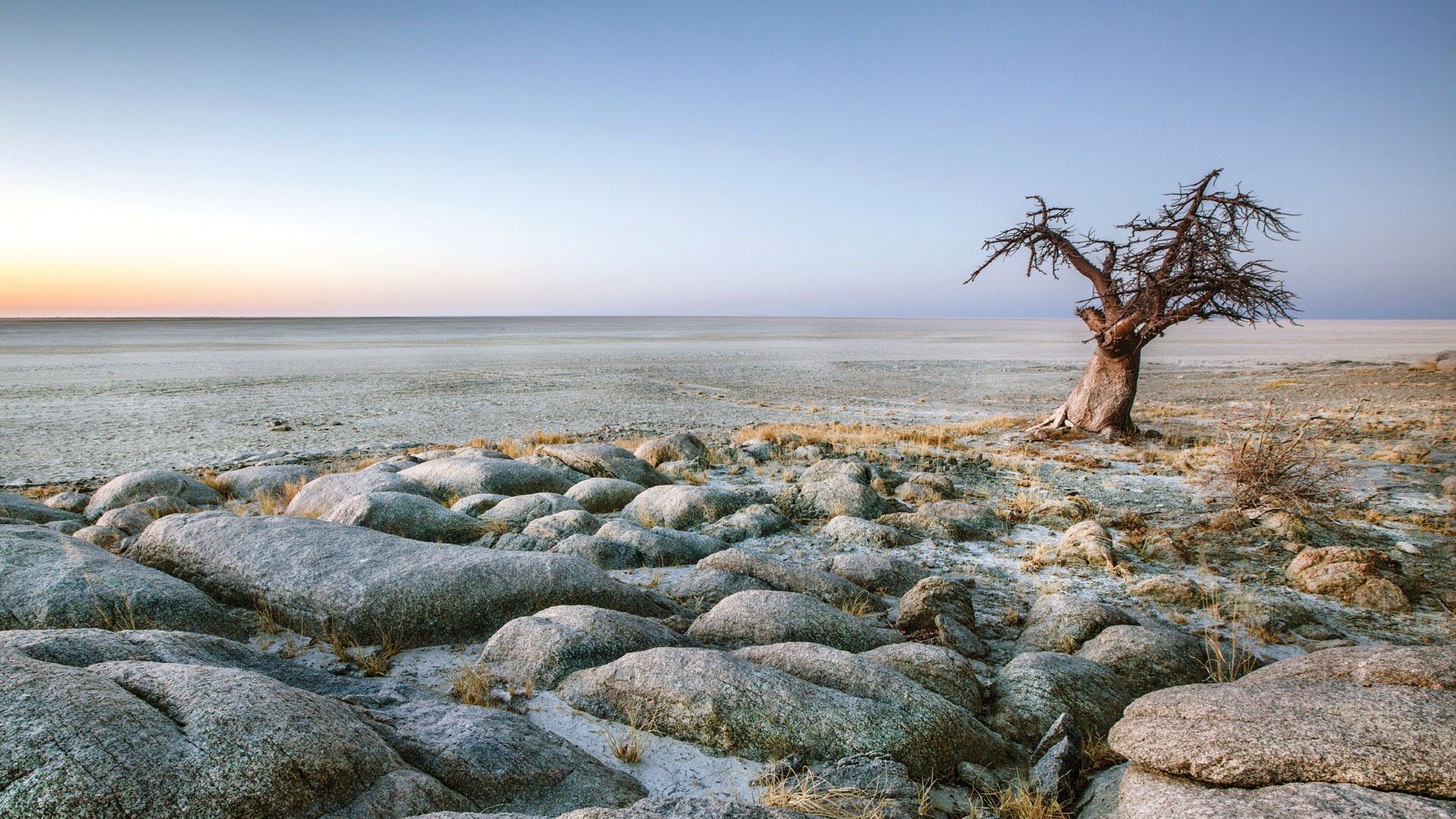
Some places in Africa make you question whether you’re still on Earth. They feature landscapes that defy conventional description—sharp, acidic, crystalline. These aren’t your typical savannas, jungles, or deserts. They feel like fragments of other planets, haphazardly embedded within the African context. They demand a pause, a moment of silence, and a gaze that lingers longer than usual. Tsingy, Dallol, Magadi—their names sound as if lifted from a science fiction novel, and the sensations they evoke are equally otherworldly. In these places, you don’t merely observe; you re-evaluate the very concepts of form, color, and what constitutes a “landscape.”

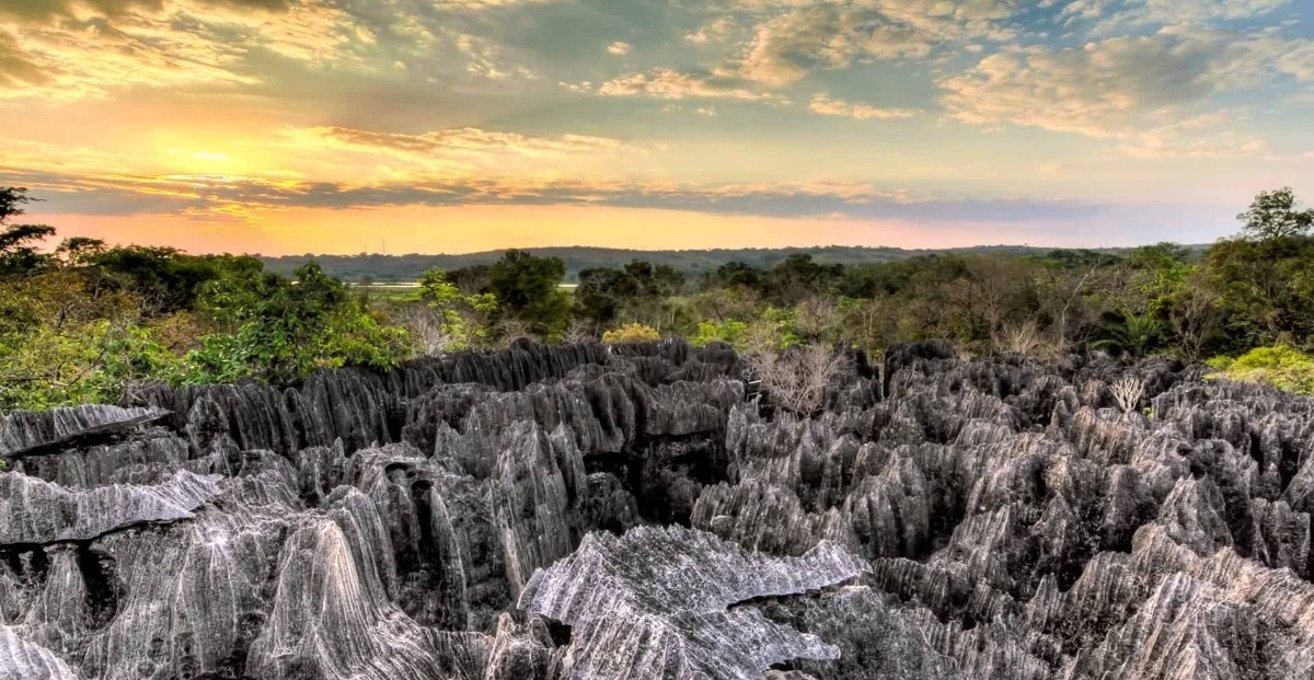
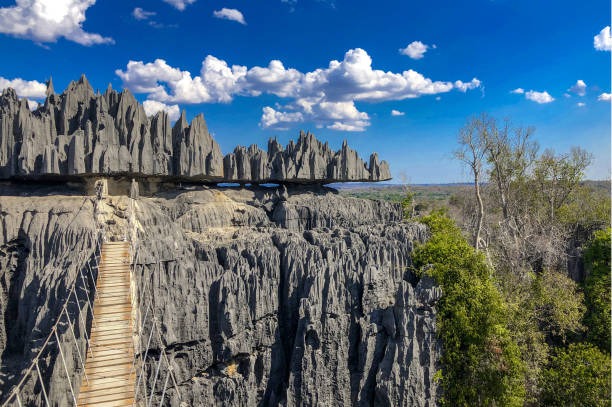
Tsingy de Bemaraha in Madagascar isn’t a forest of trees, but of stone. Millions of limestone spires, sharp as blades, rise from the earth like a frozen wave. You traverse them via bridges and ladders, suspended over an abyss, beneath which lies a labyrinth of stone stretching hundreds of meters down. Light refracts strangely here, and sound seems to vanish among the rocks. Lemurs, with an almost supernatural agility, leap across the jagged formations. Everything feels surreal, as if gravity itself has been momentarily suspended. Tsingy isn’t just geology—it’s an alien world where you’ve been granted a temporary visa.

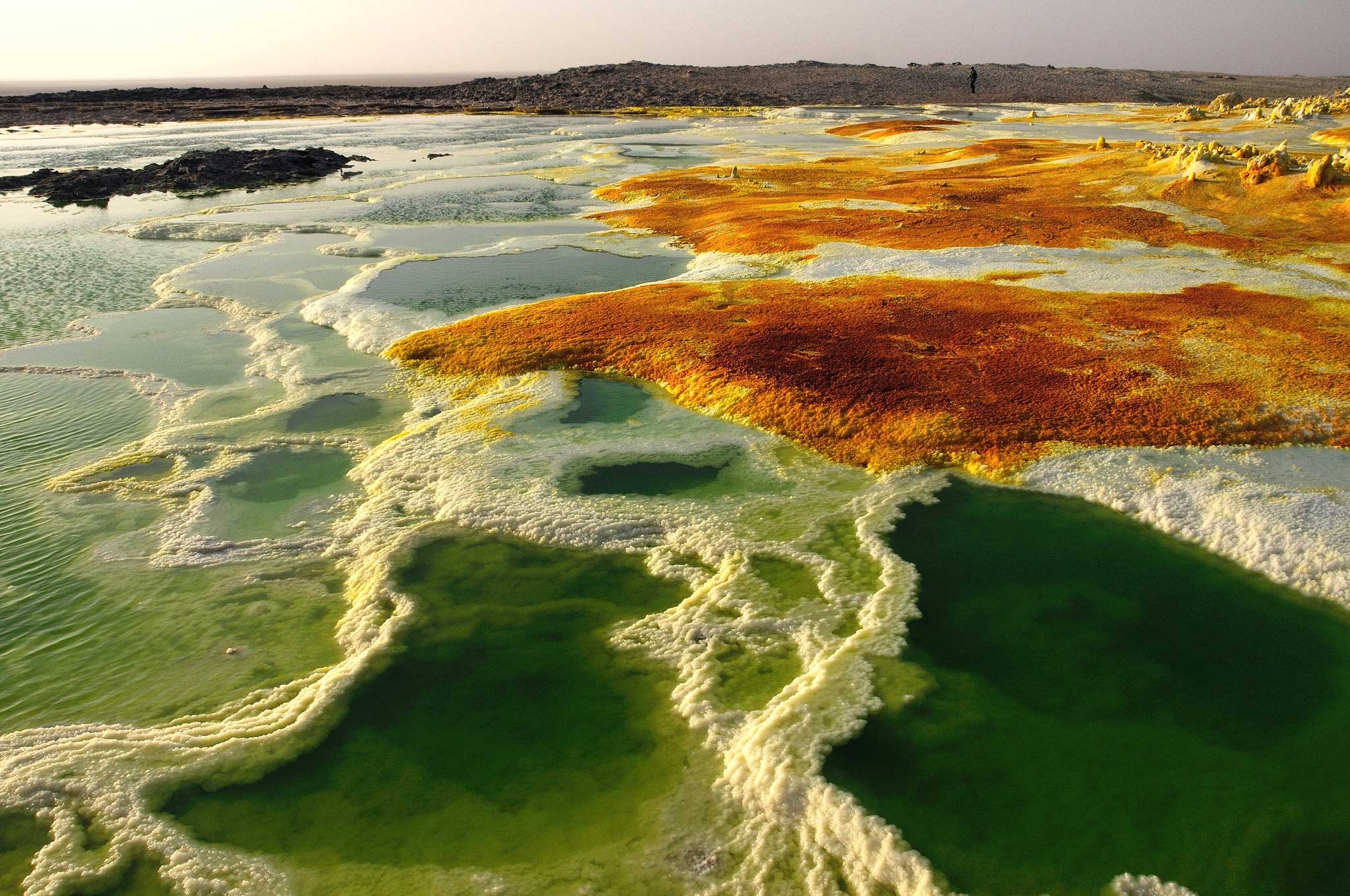
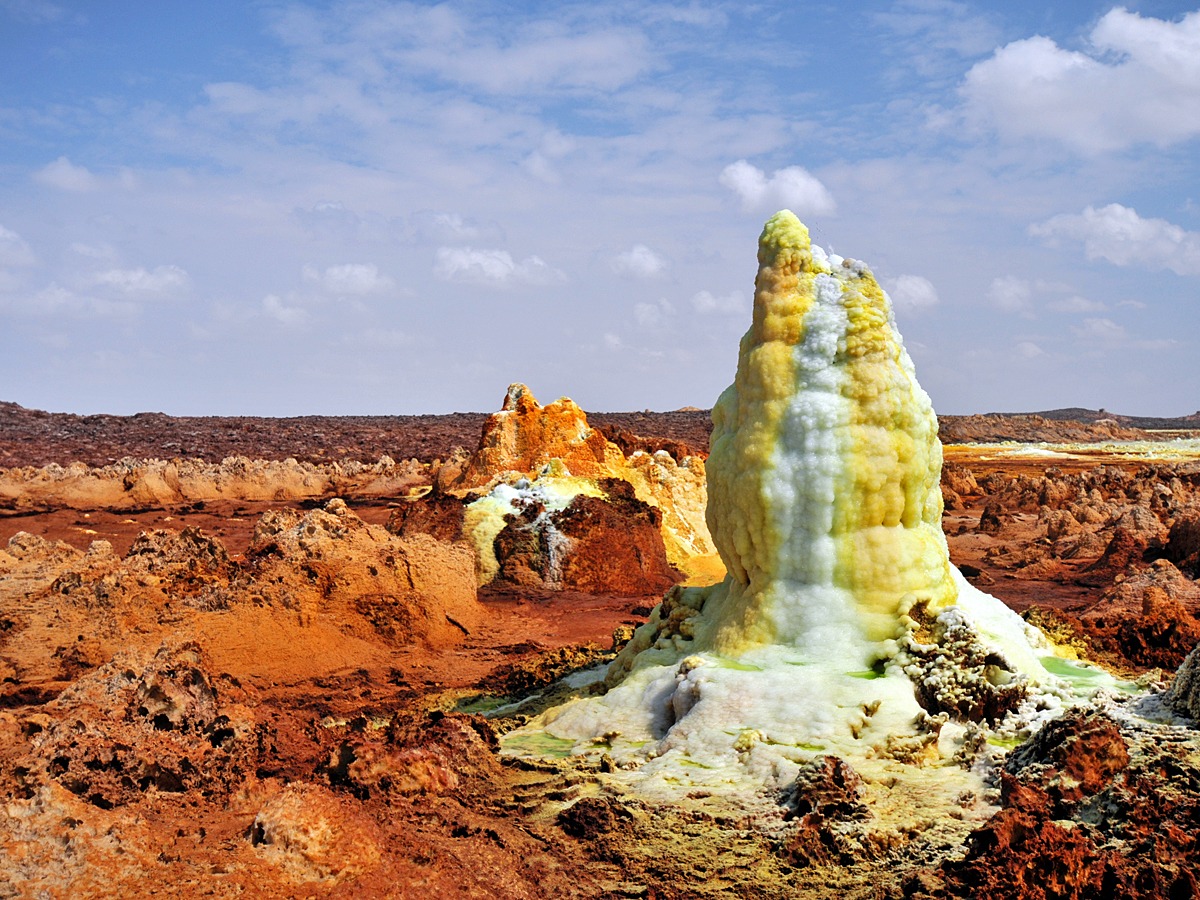
Dallol may be the most surreal place on Earth. Everything around you steams, bubbles, and cracks. Acidic lakes, sulfurous fields, and green-yellow salt crystals dominate the scene. The landscape resembles a sci-fi set built to depict Venus. Temperatures hover around +50°C, and the air reeks of metal and sulfur. The ground beneath your feet isn’t solid but brittle, like baked glaze. There’s no shade, no trees, no familiar sounds. Even the silence is of another kind. Human presence feels accidental. This isn’t the end of the world—it’s the very core of something entirely other. Standing there feels like gazing at the planet’s exposed nerve.

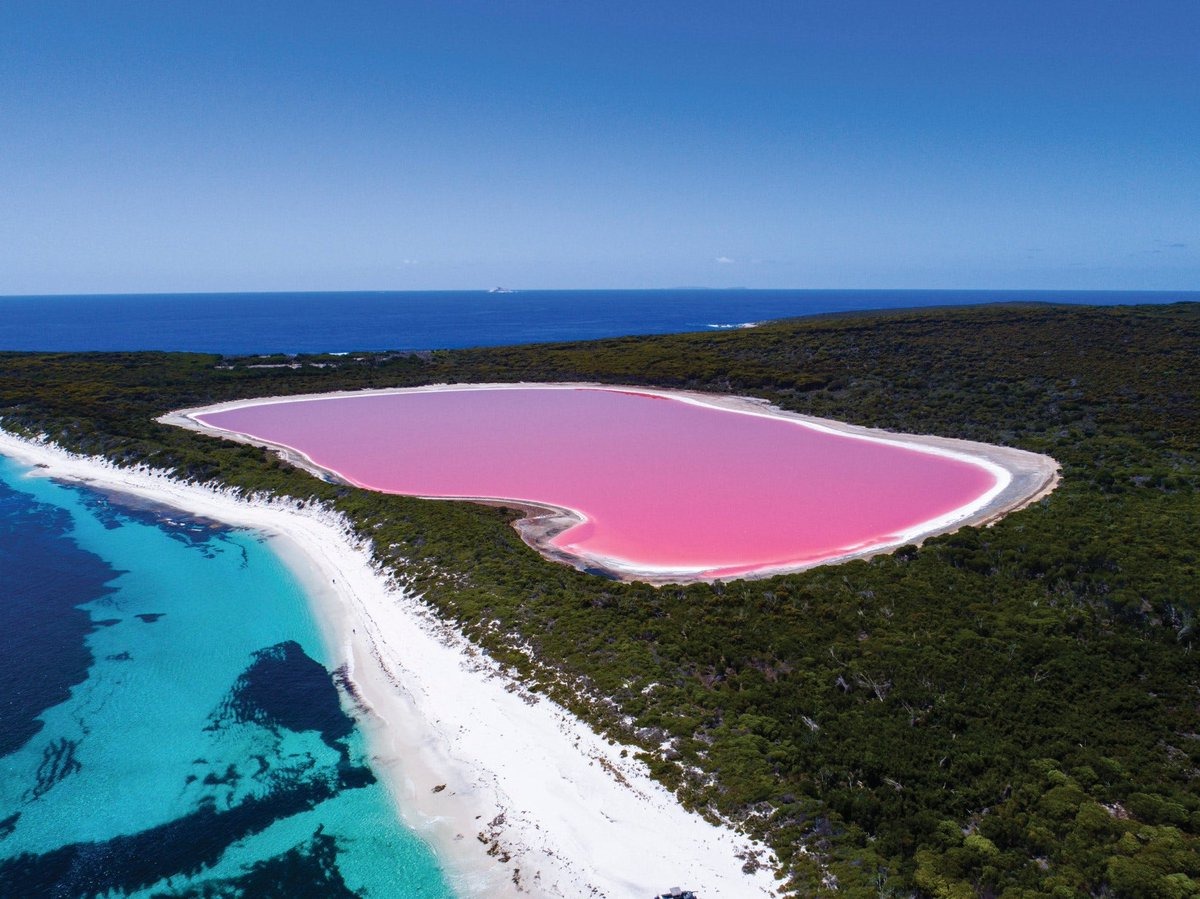
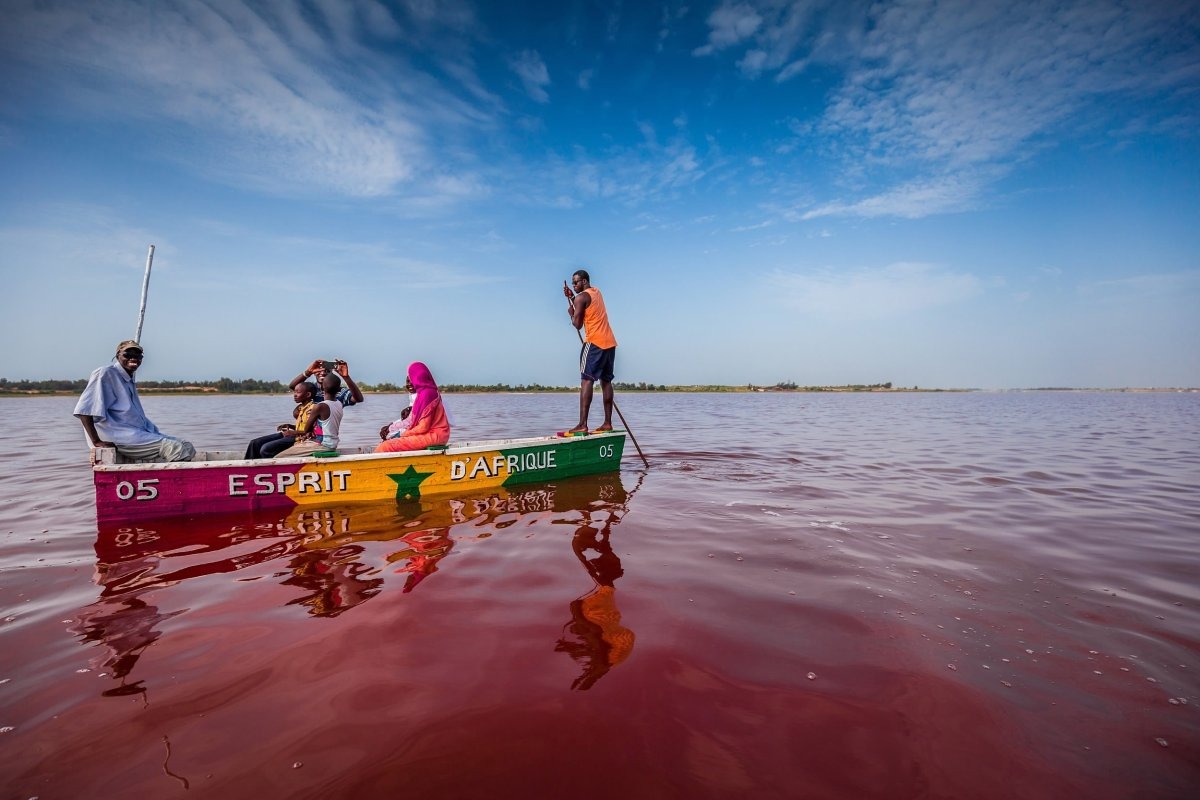
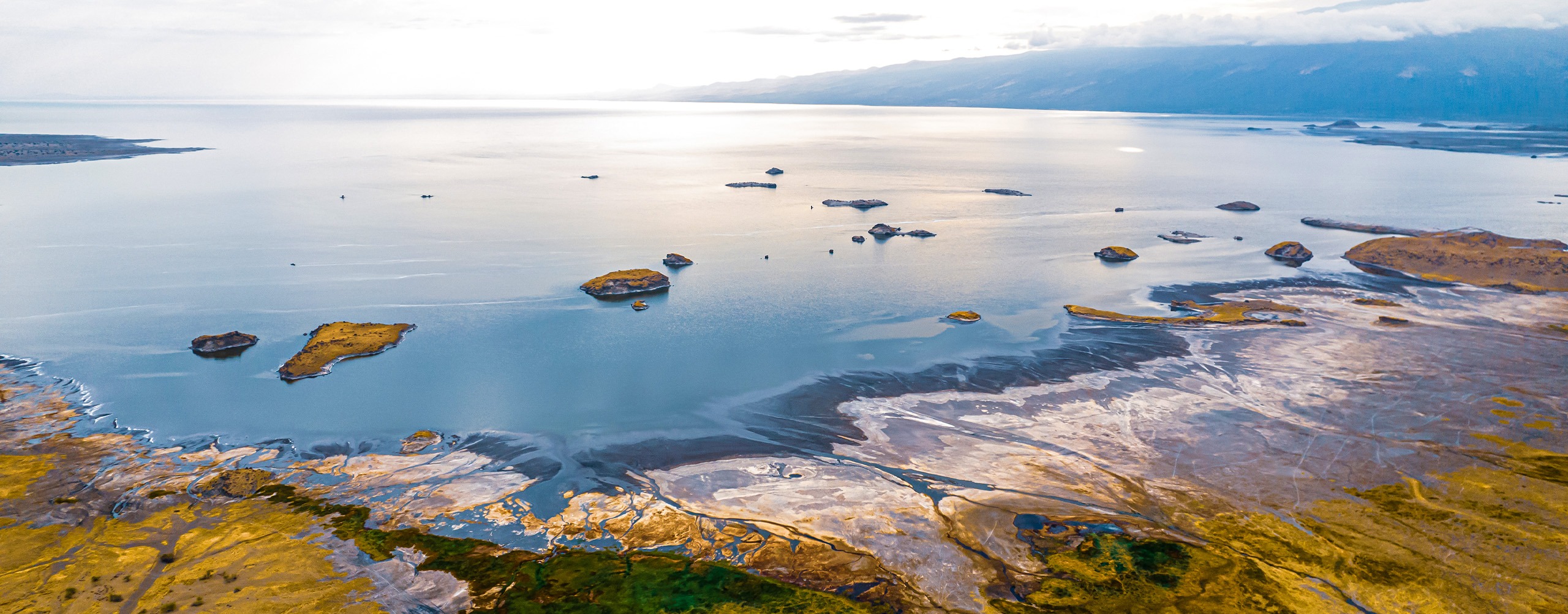
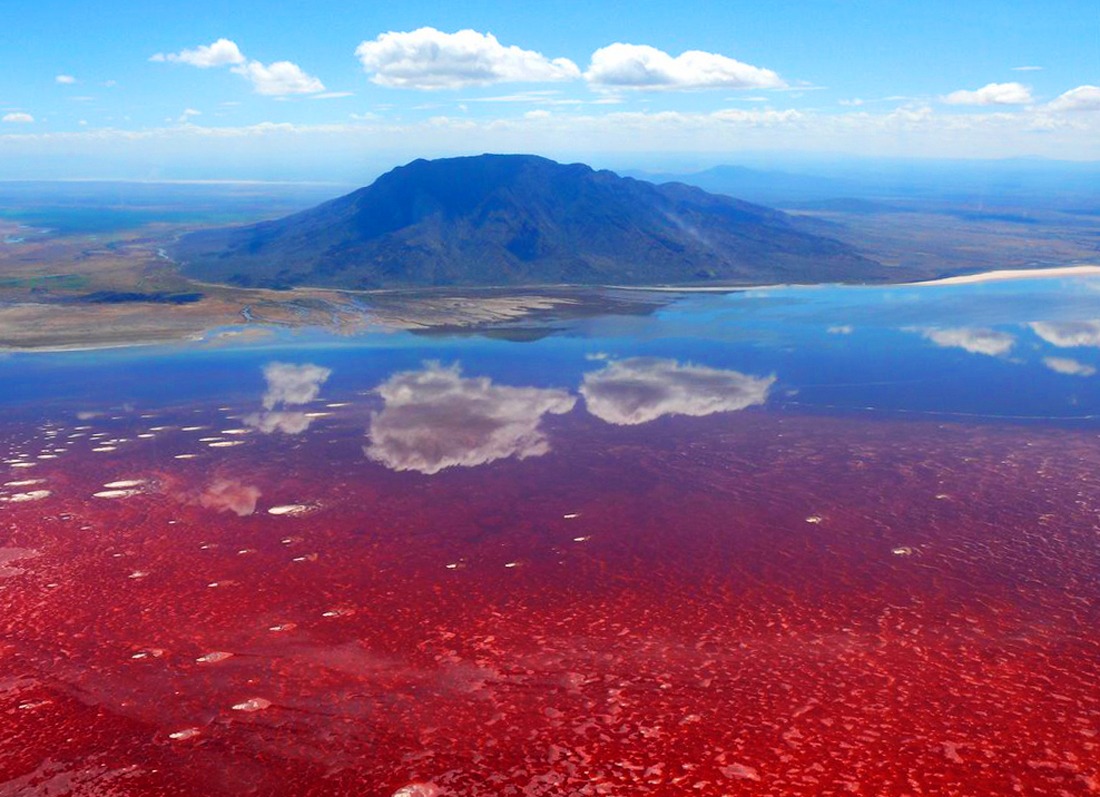
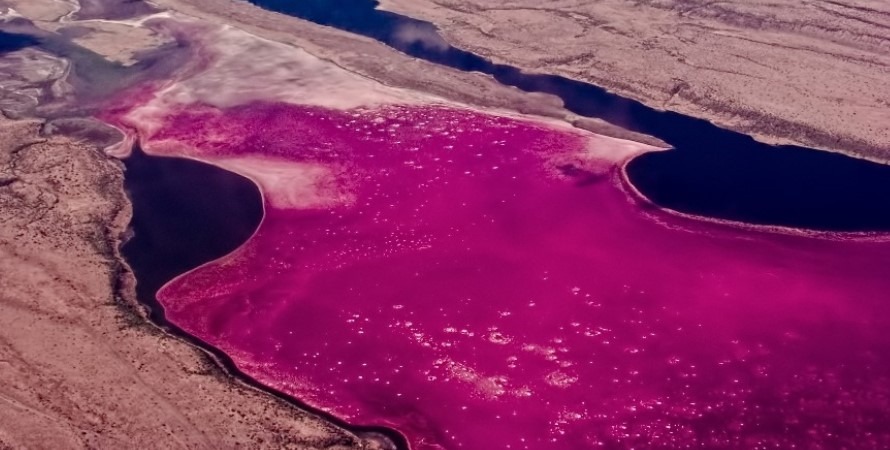
Magadi is Africa’s Mars, partially submerged. Pink lakebeds, white salt crusts, and fractured reflections of the sky create an uncanny tableau. The colors seem artificial: the sky is an intense, painted blue, and the water nearly fuchsia. Flamingos roam these barren expanses, serving as living accents on an acidic canvas. The shore scorches your feet, and the air shimmers like a mirage. There’s no conventional beauty here—it stings, assaults the senses, and offers no comfort. Magadi doesn’t merely embellish the landscape; it rewrites it. It’s a place where you realize nature can be avant-garde—and you are part of its vivid, shocking masterpiece.

One only needs to witness the sun’s first rays sweeping across Earth’s Martian-esque landscapes to believe that the otherworldly is, in fact, possible right here, right now.
Better then a thousand words,
our photo reports
This is not a place to take pictures – it’s a place to create memories.
Do you like the feeling?
Save it to whatsapp

How do you see it all?
to walk the earth like another planet
We fell in love with Africa for its unique nature and people. The emotions we have experienced here are hard to convey but can be given, that’s why we have dedicated our lives to it. Each point of the route has already been tried by us personally, it remains to make an individual program for you personally.


A Journey to Tanzania’s National Parks

A unique natural park

This is the Zanzibar archipelago, a coral group off the east coast of Tanzania. While it comprises 75 islands, only three are significant: Unguja Island (often simply called Zanzibar), Pemba Island, and Mafia Island.

Kilimanjaro National Park, Tanzania: Climbing Routes.

 Telegram
  Whatsapp
  Viber
Viber  Skype
Skype  Email
Email  Phone
Phone 
