

African
Tribes
- Vibrant ceremonies
- Unique rituals and daily life
- Life in harmony with nature and the developing world
Why visit
wild tribes?
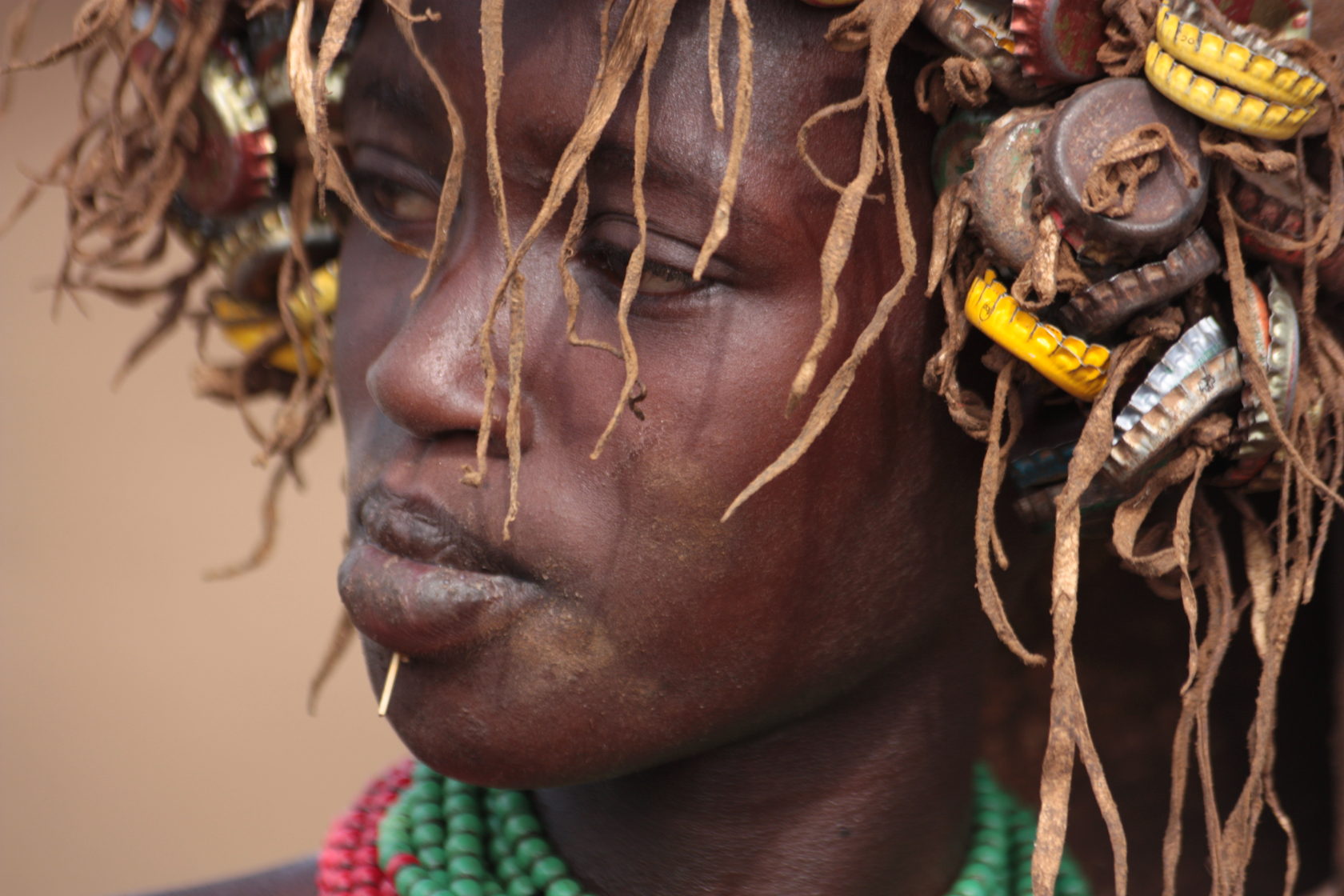
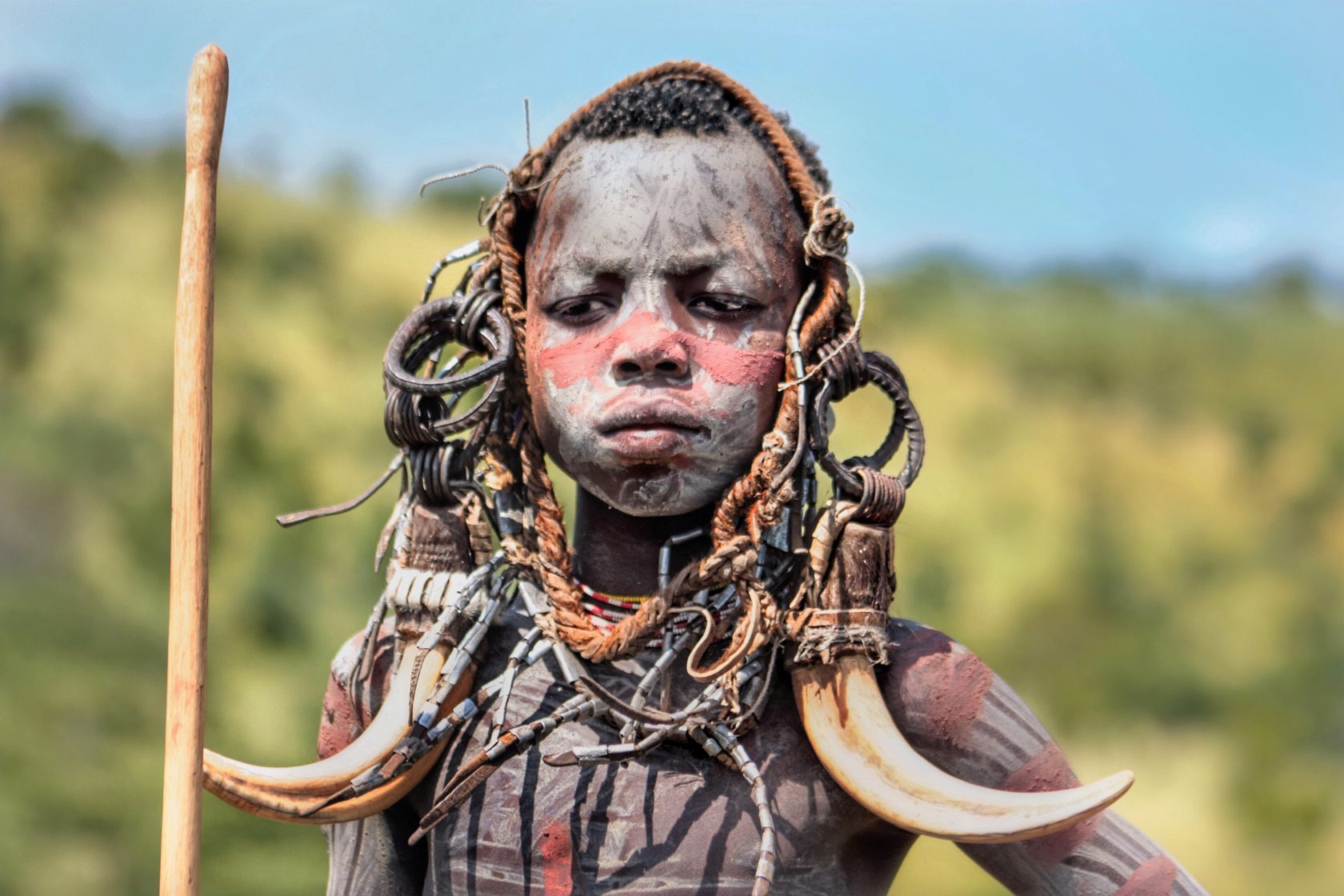
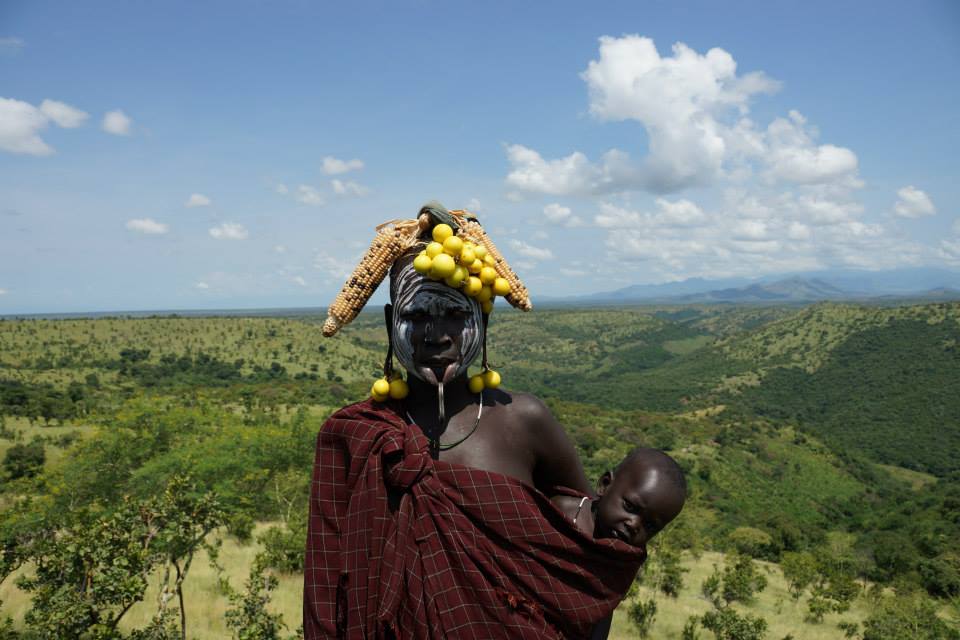
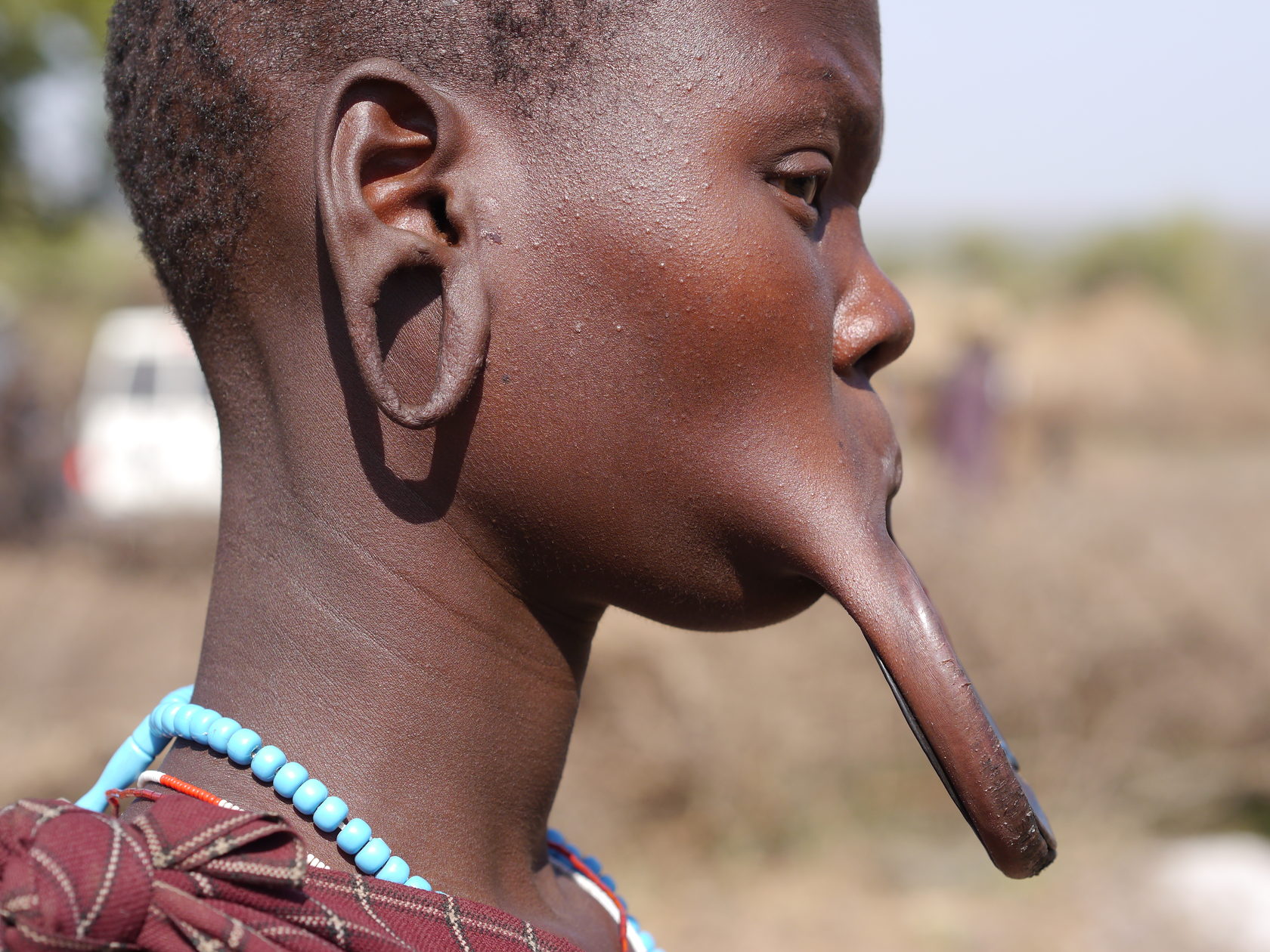
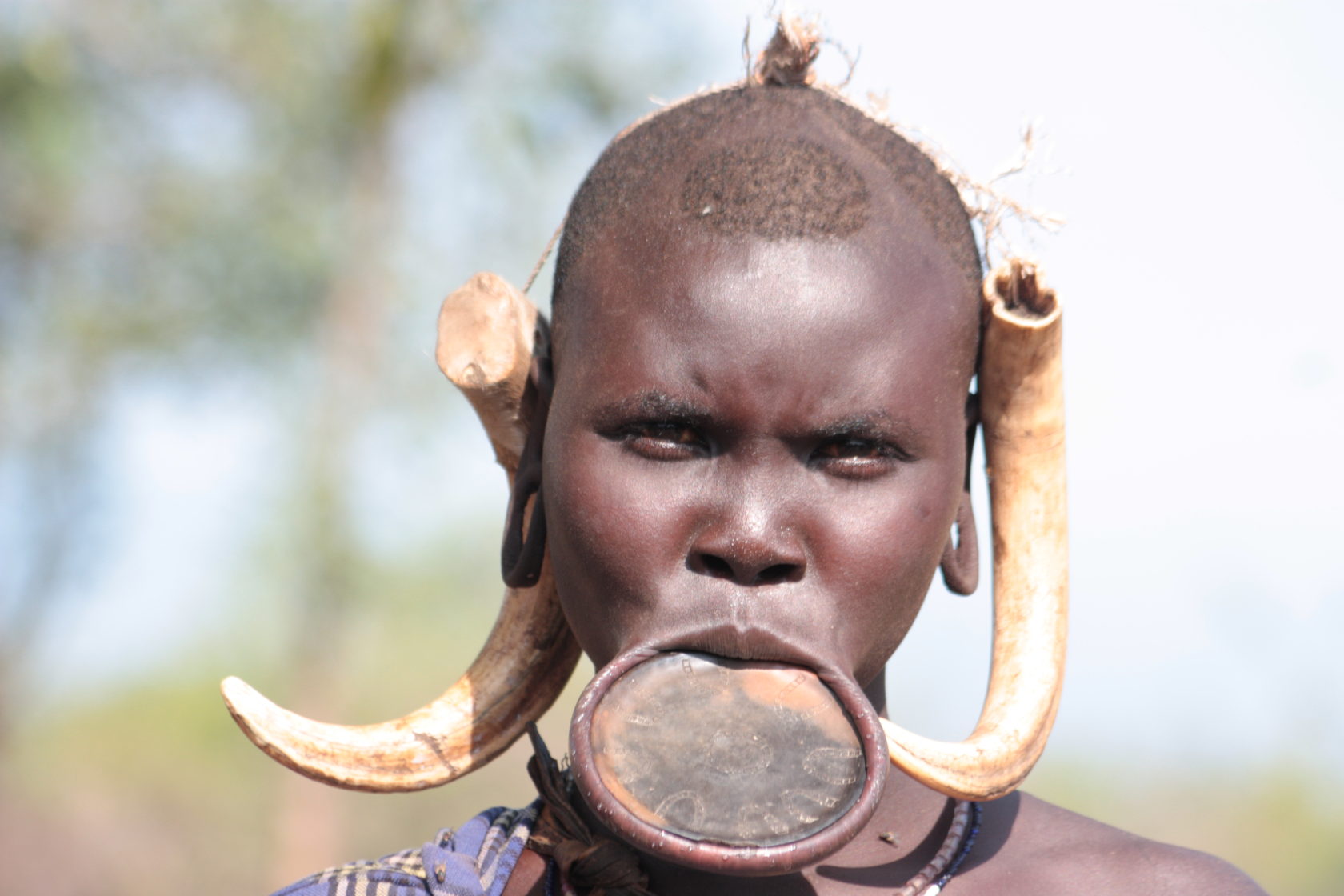
Mind-blowing rituals, reject modern comforts, mystical ceremonies, and baffling traditions – this is the reality for five million people across various African tribes, still living by the ancient laws of their ancestors. Beauty, as they say, is in the beholder’s eye, and here, it takes on a whole new meaning: jaw-dropping body modifications, bizarre adornments, and intricate skin patterns. It’s a sensory overload that leaves you with a barrage of questions, and that’s where your personal guide comes in. They’ll shed light on the origins of the Maasai facial scars, explain why young Himba women partake in morning smoke purification rituals, and reveal the purpose behind the Mursi women’s enormous lip plates. Some travelers head to Africa to witness these tribal cultures, while others encounter them during safari adventures. Either way, you are guaranteed an unforgettable experience.

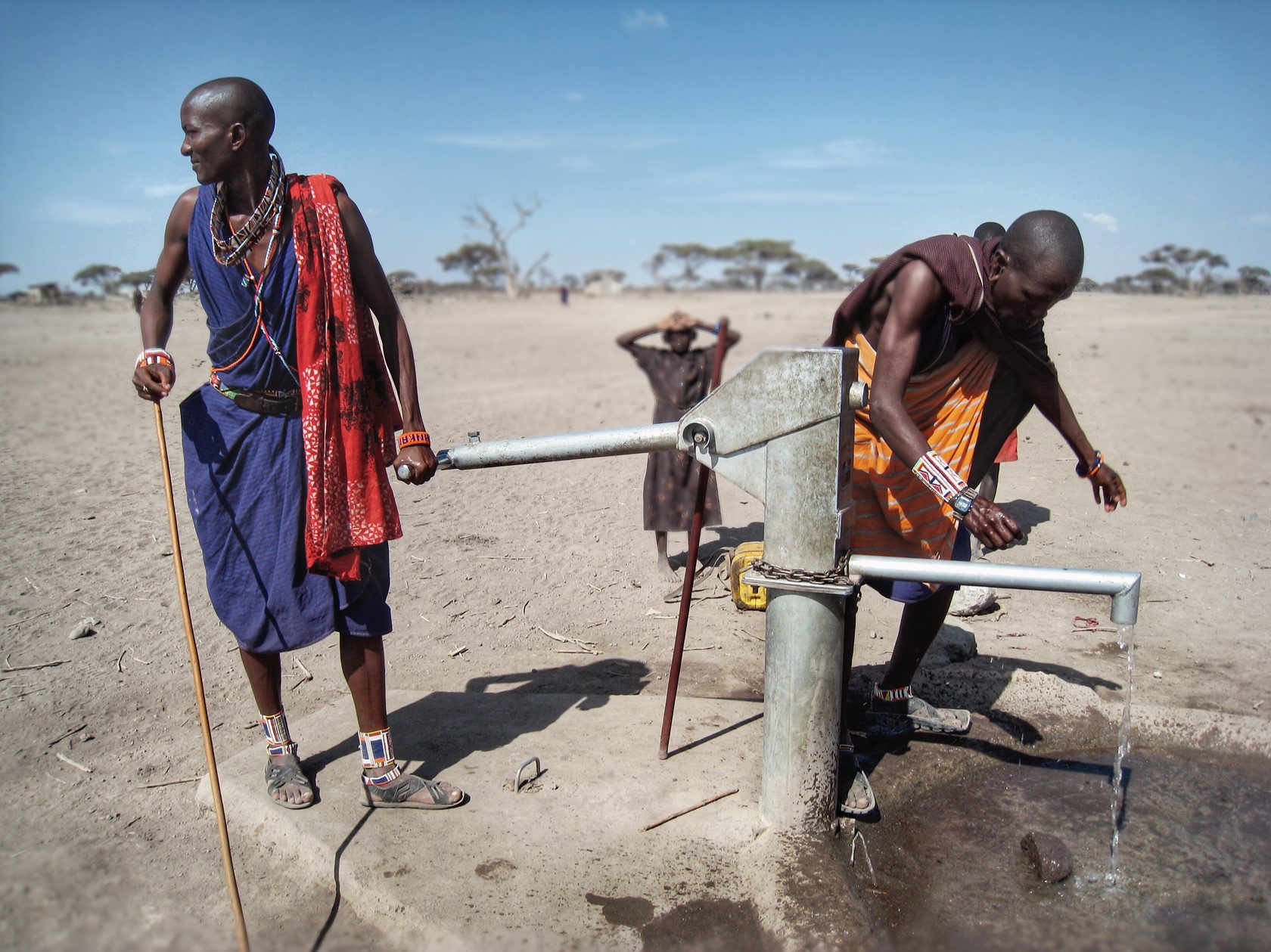
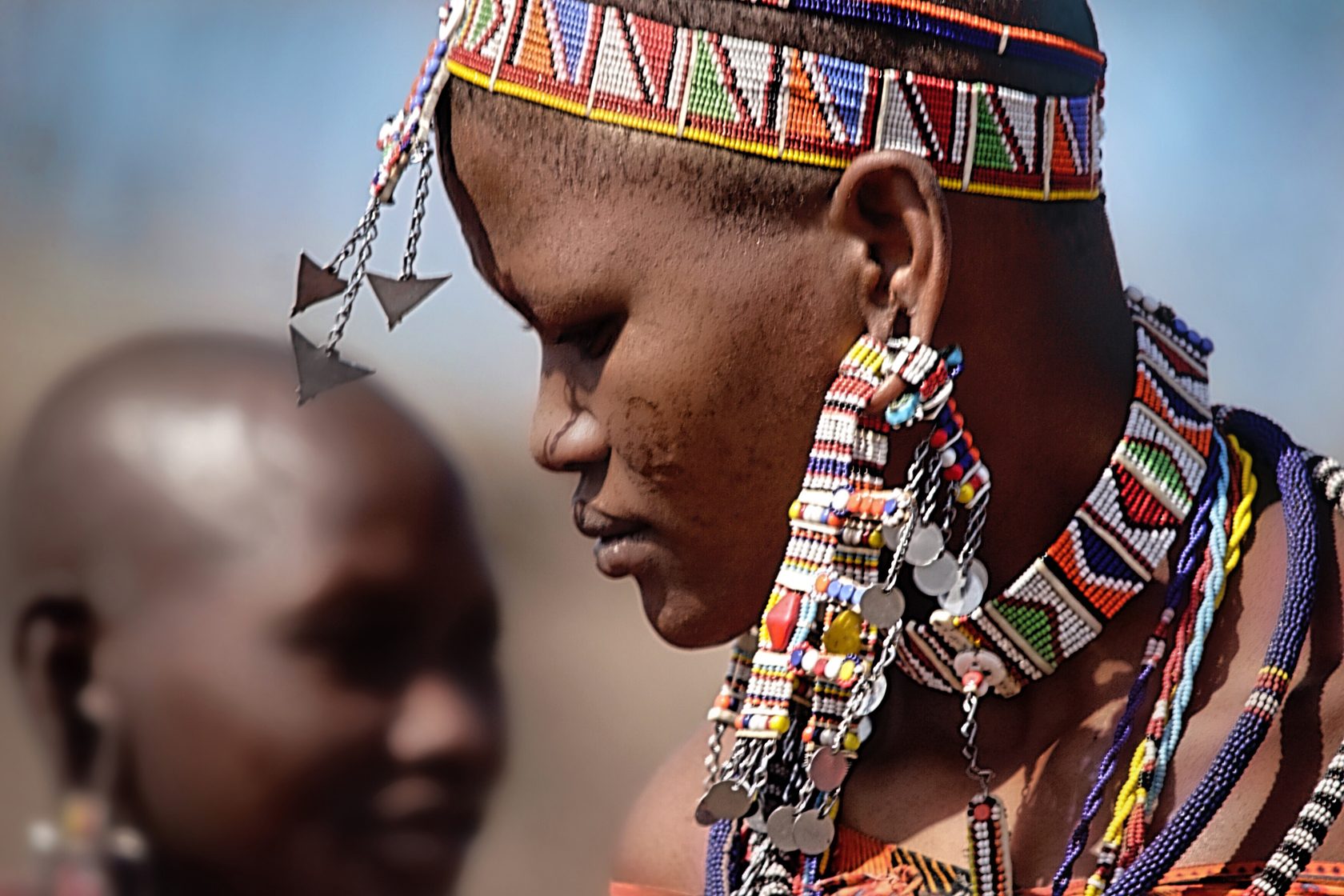
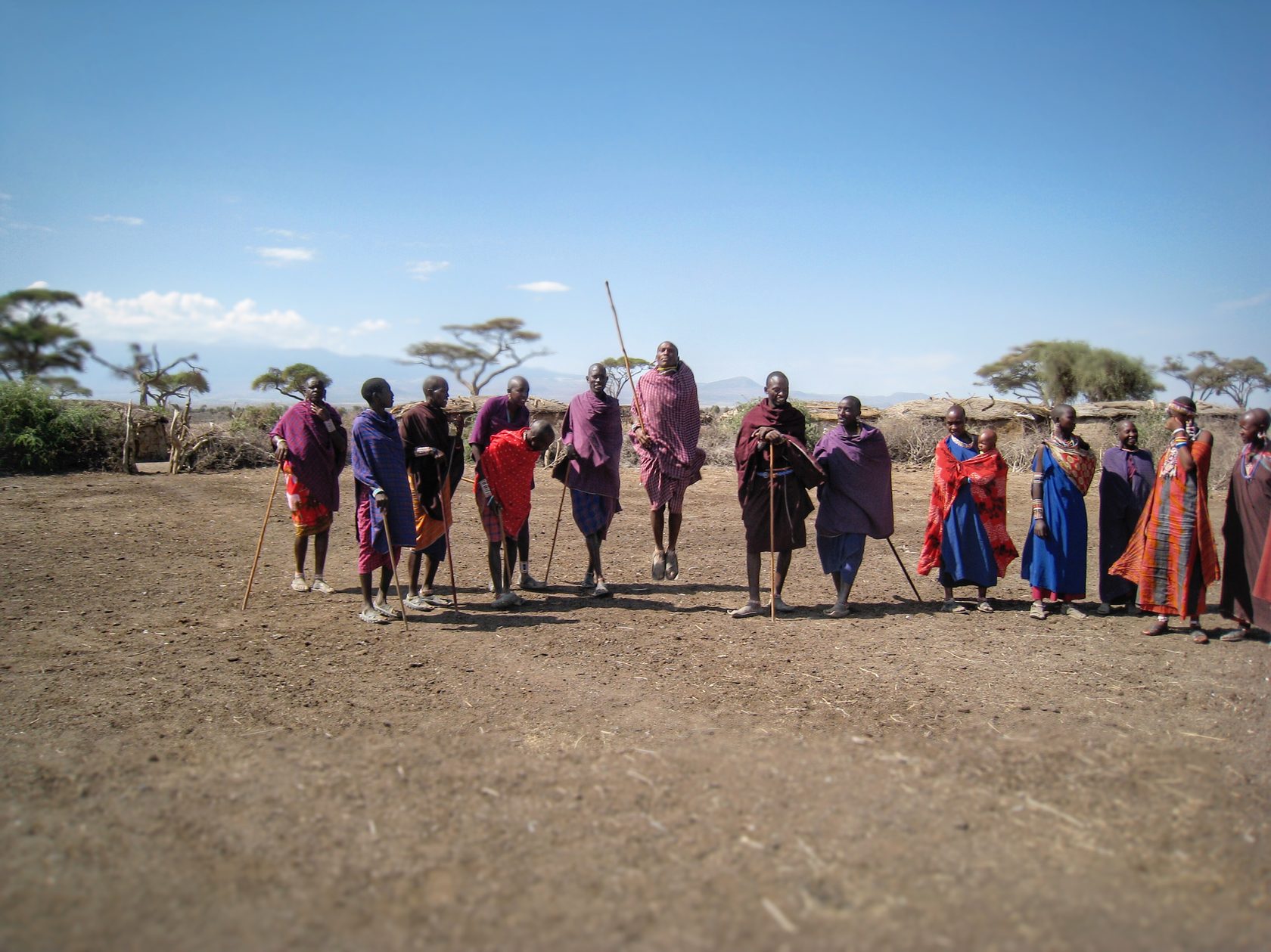
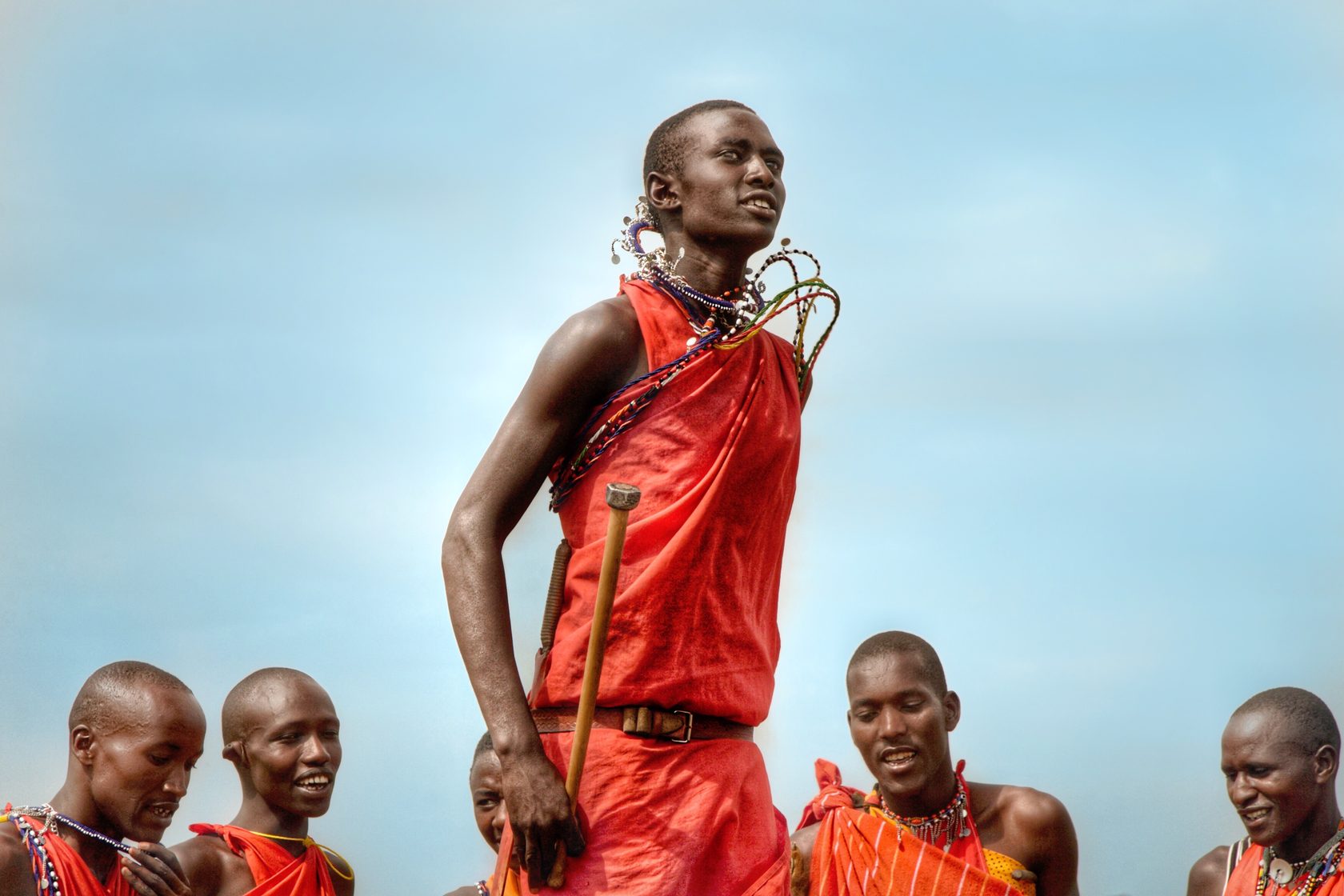
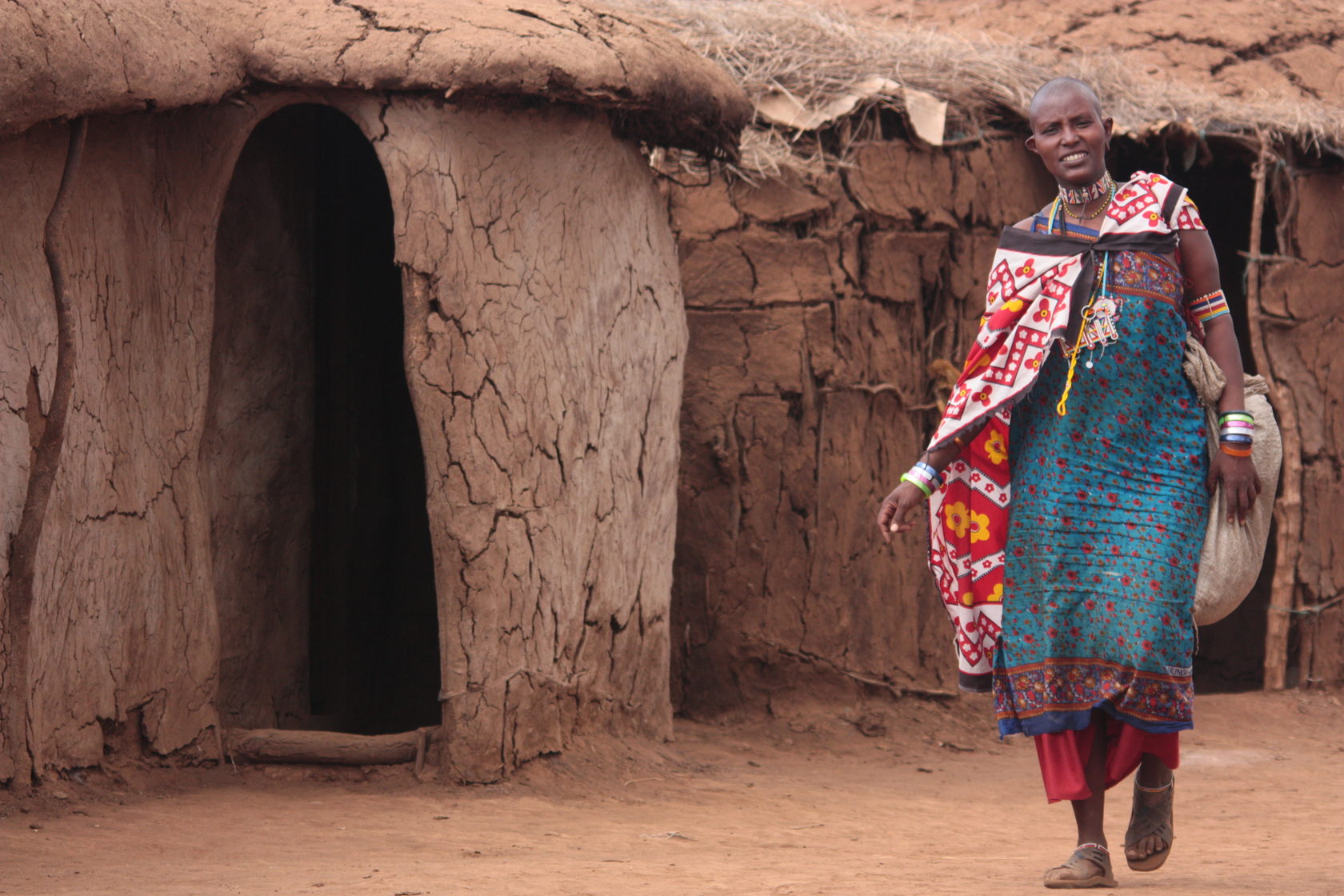
A trip to Kenya or Tanzania wouldn’t be complete without a visit to the Maasai. Renowned for their gravity-defying jumping dances and guttural chanting, they put on a mesmerizing show around a campfire at sunset. Maasai men and women shave their heads and extract their lower front teeth, considered both a beauty standard and a practice that promotes a healthy savannah lifestyle. They pierce and stretch their earlobes with weights and massive ornaments, the size of the hole and the grandeur of the jewelry signifying status. Besides their unique appearance, their diet is also distinctive. On special occasions, they’ll pierce a calf’s artery with an arrow, mix the blood with milk, and drink it.

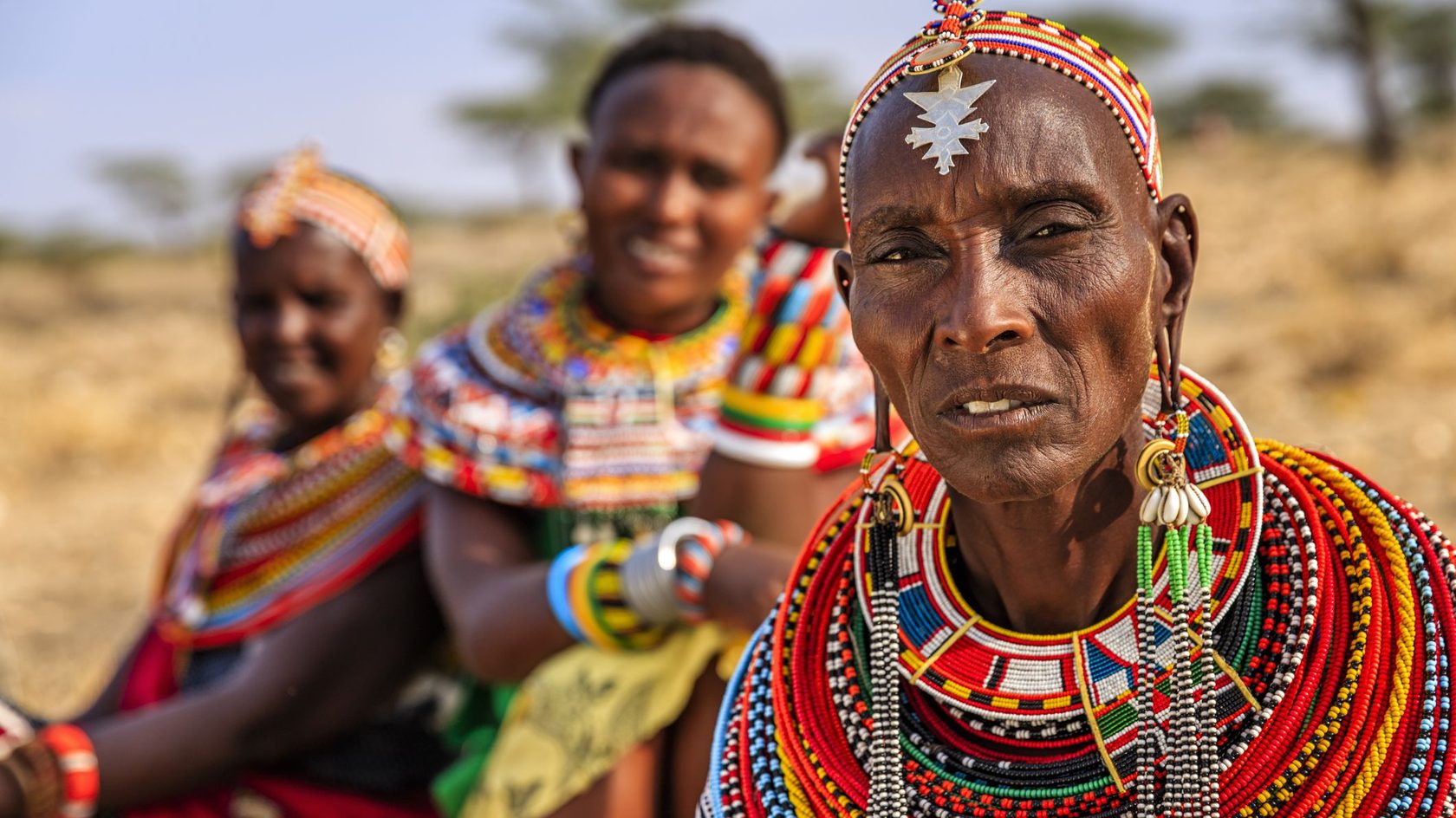
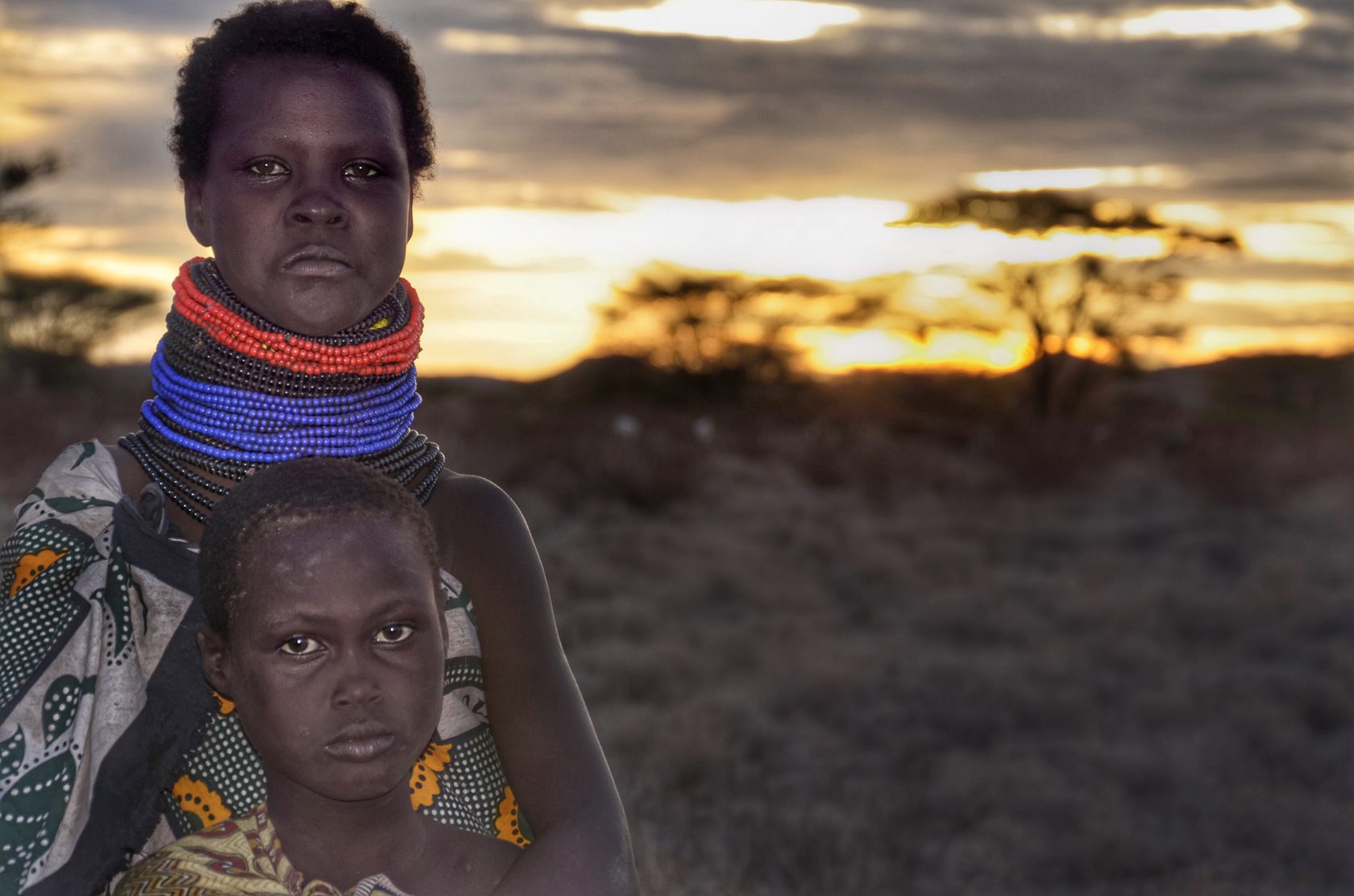
Interestingly, the Maasai don’t bury their dead; they leave the bodies in the savannah for scavengers, believing that burial contaminates the soil. In Kenya, the Pokot and Samburu tribes also spark curiosity. The Pokot are superstitious and practice elaborate purification rituals for pregnant women and newborns. They scar their bodies for decoration, and their women wear massive, colorful beaded neck collars.
The Samburu tribe arguably boasts the most striking appearance in Kenya. It’s no coincidence that their name translates to “butterfly.” A passion for external beauty and vibrant adornments seems to be ingrained in the Samburu culture. They have their own traditional healers and diviners, and for them, witchcraft and fortune-telling are simply a part of life.

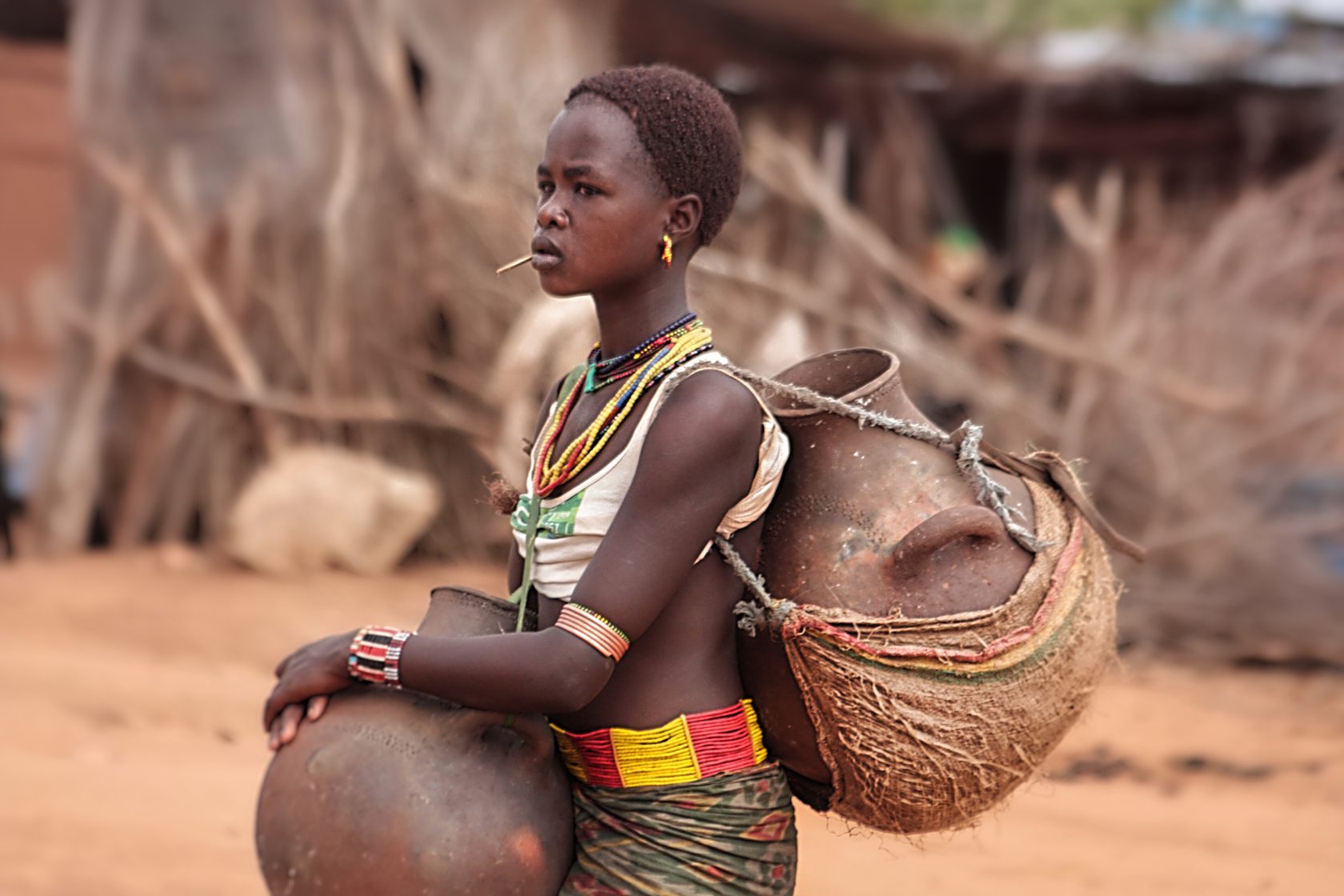
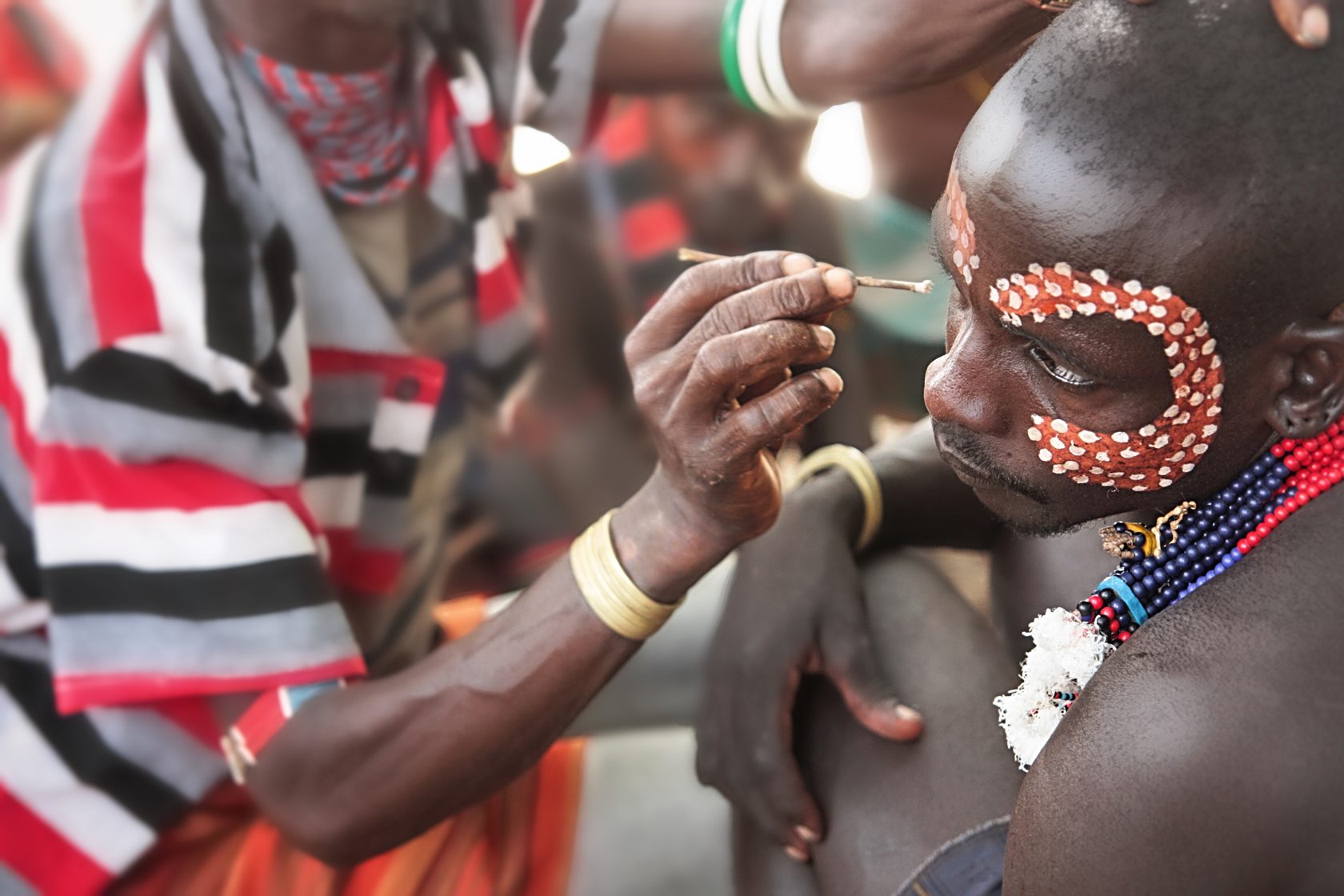
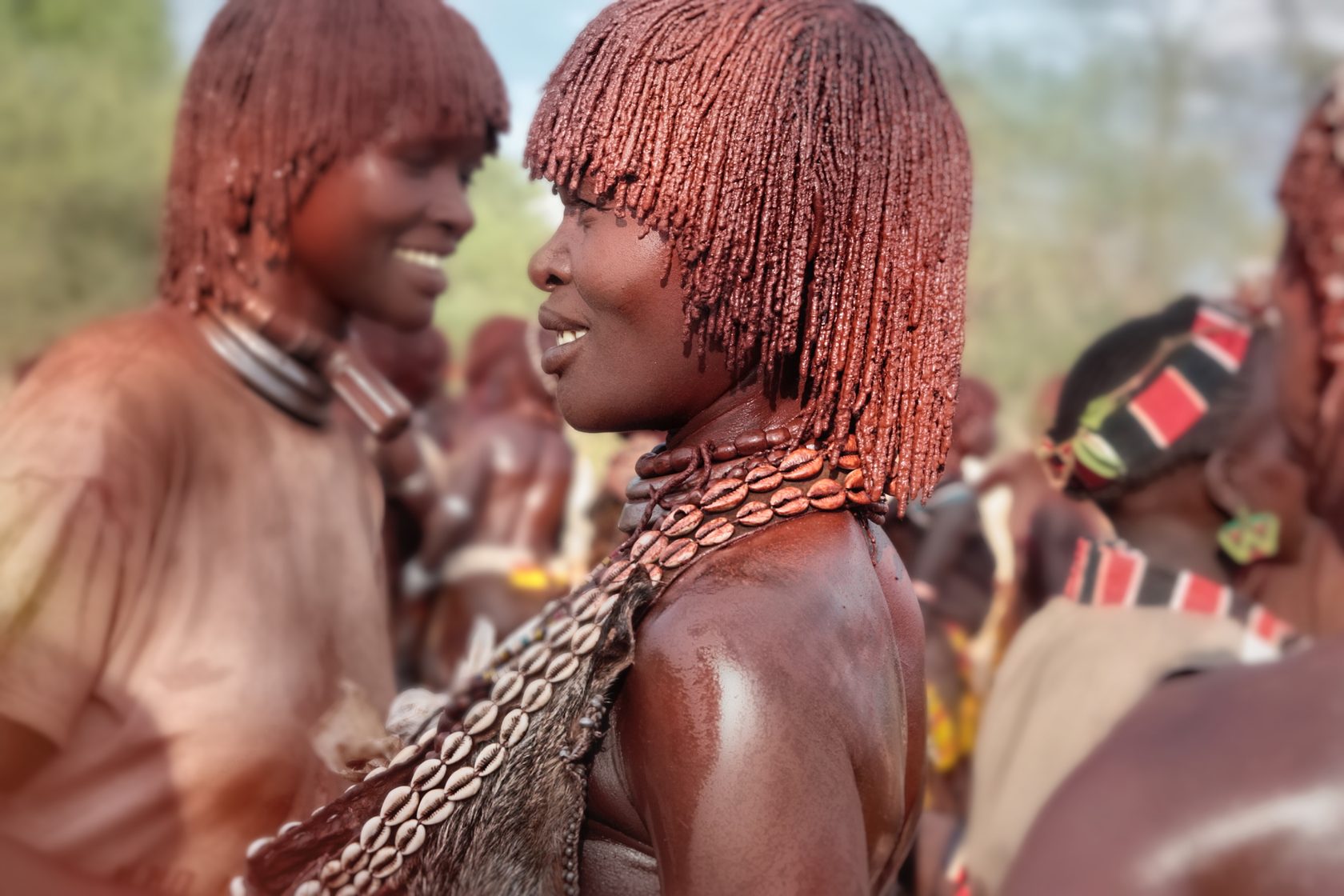
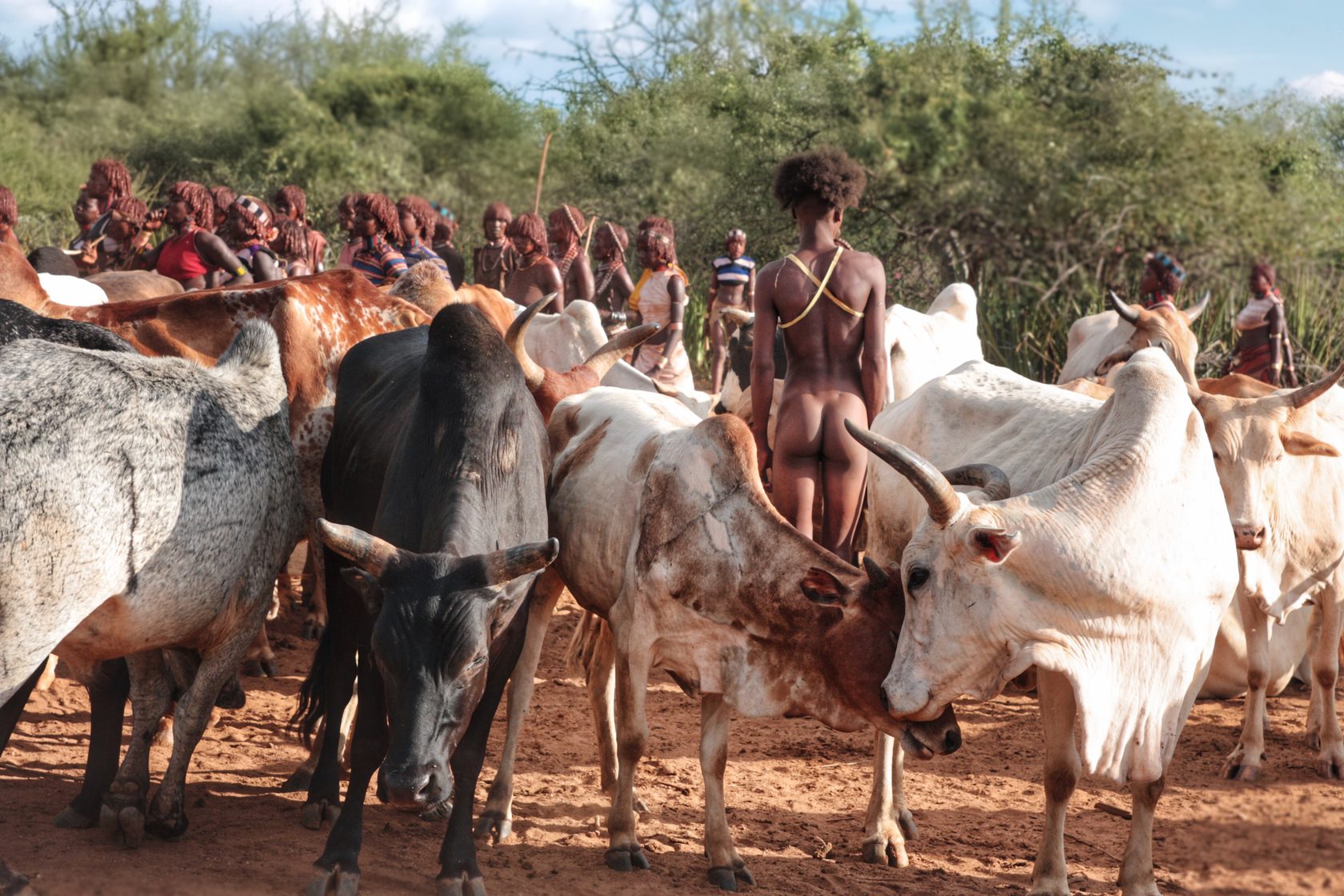
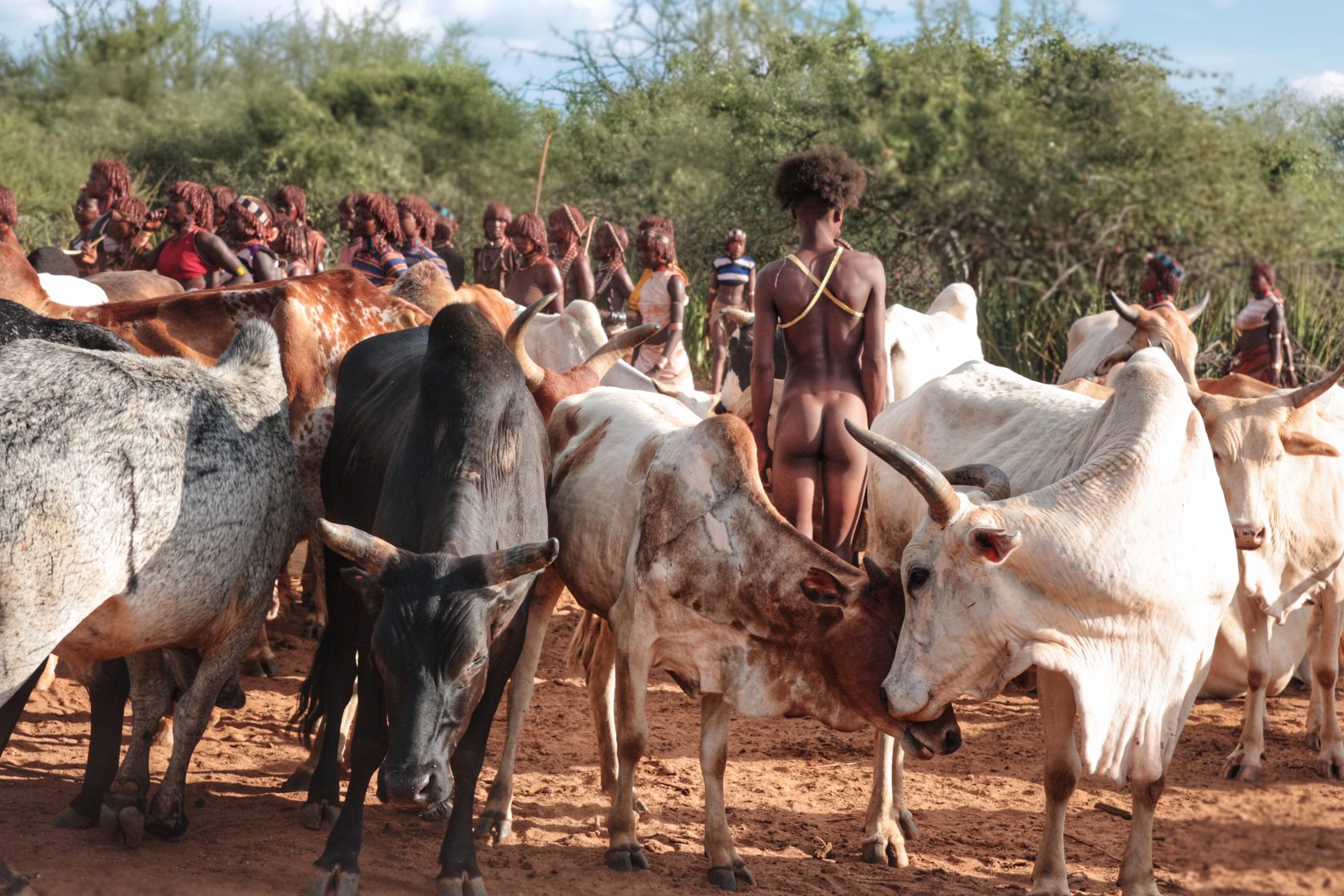
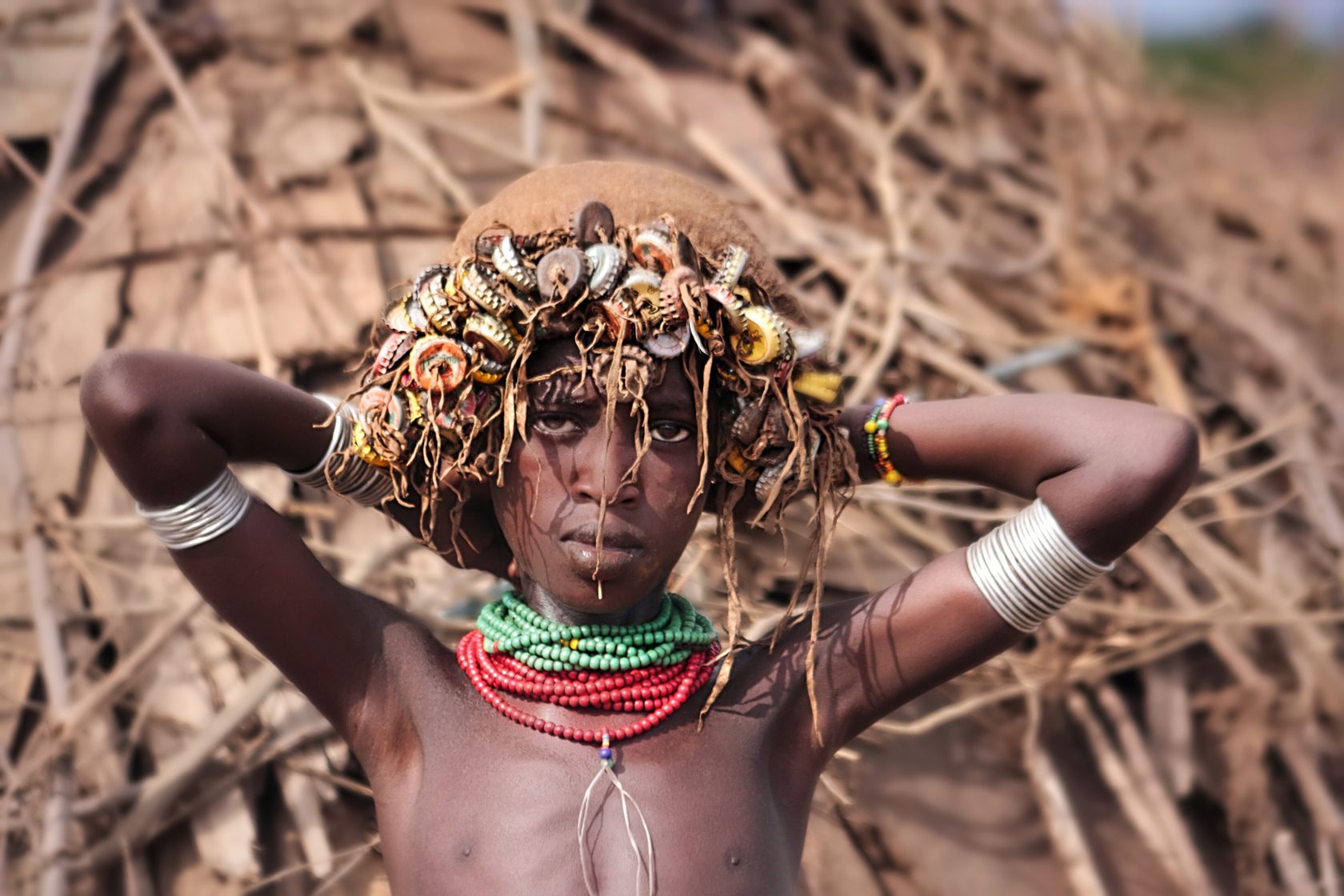
A journey to Ethiopia wouldn’t be complete without exploring the Omo Valley, home to over 20 distinct and remote African tribes. In the Mursi tribe, women insert huge ceramic plates into their lower lips; they revere death, perform elaborate rituals, read the future in the stars, and treat illnesses and injuries with incantations. Then there are the Hamer women, adorned with ritualistic scars and sporting red ochre hair, the fearless Karo warriors with their painted bodies, and the industrious Konso farmers, known for their distinctive conical-roofed houses that blend into the mountainous landscape, appearing as mere rock formations until you look closer.

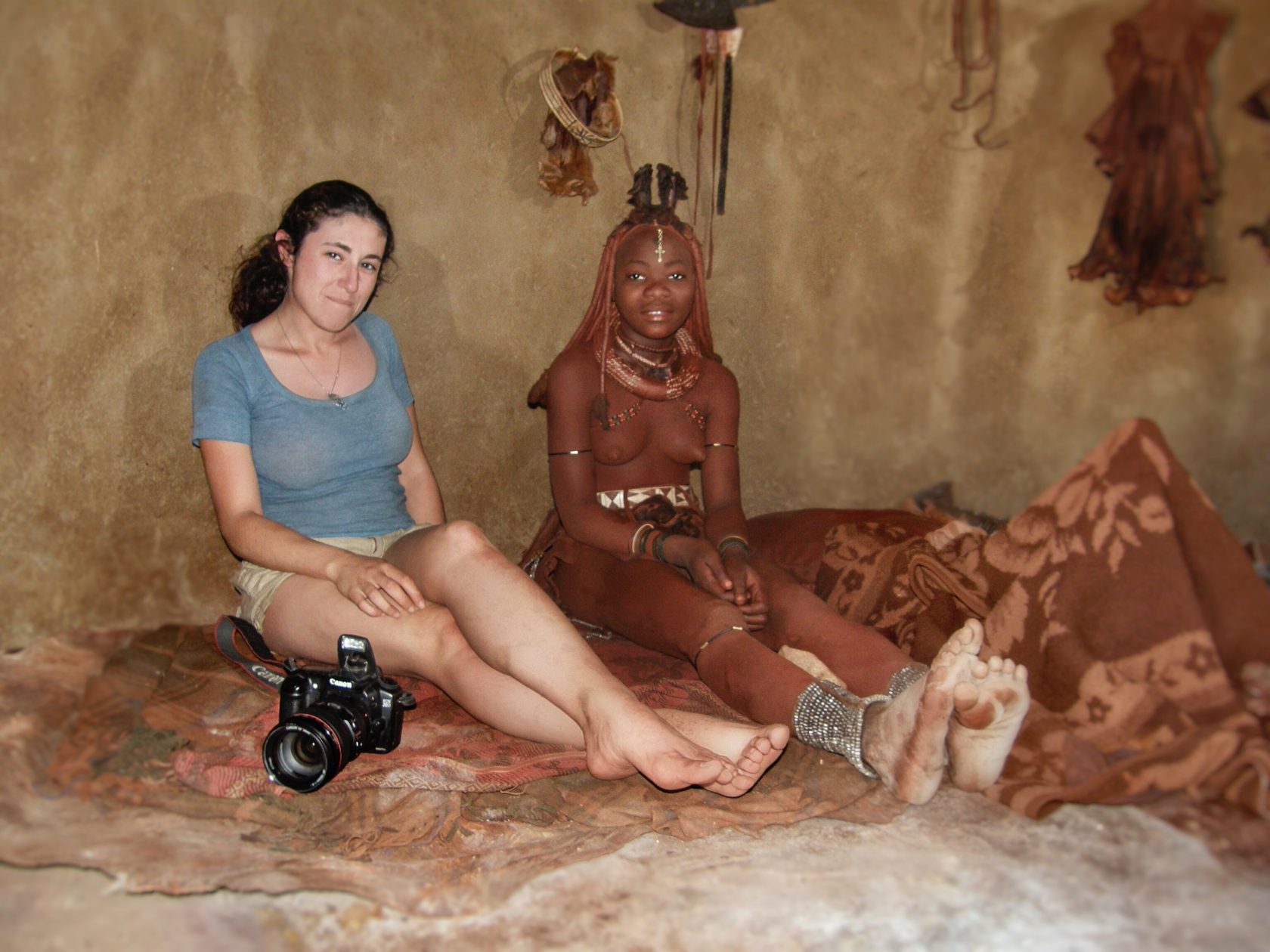
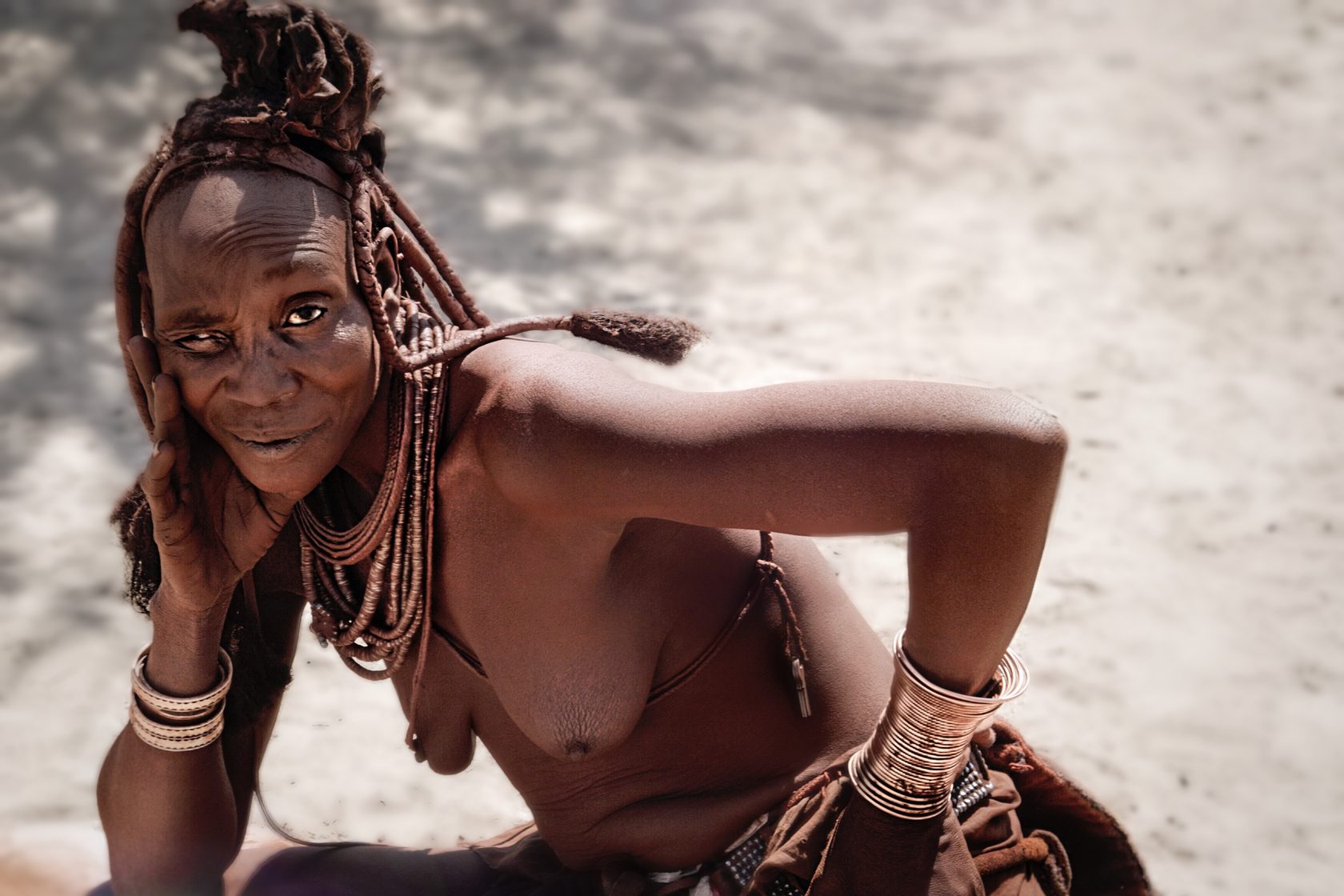
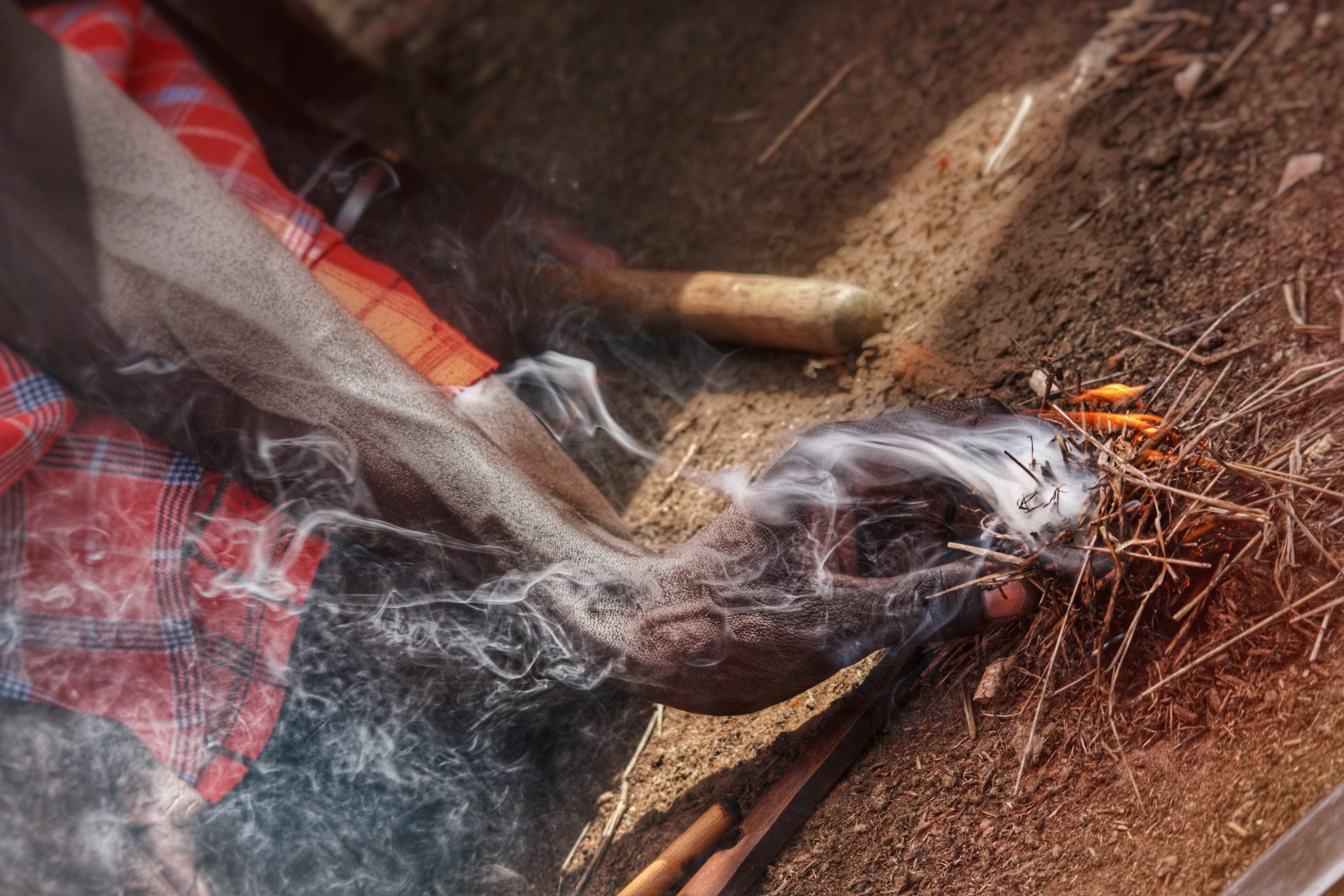
A visit to Namibia offers the chance to encounter the striking Himba women, celebrated for their sculpted beauty and reddish skin and hair. This unique hue comes from an ochre mixture they apply to their bodies and hair. Their elaborate hairstyles and adornments – necklaces, bracelets, iron belts, and cowrie shell beads – tell a story of a woman’s life, if you know how to read it. Married women wear leather headdresses made from goat hides. Due to the scarcity of water, Himba women “bathe” in smoke. And they are very secretive about a certain part of their bodies. You have to go see it to understand.

For a true step back in time, a trip to Namibia or Botswana to meet the Bushmen is a must. One of Africa’s oldest nomadic tribes, their knowledge of the natural world is unparalleled. They are exceptional hunters and trackers, experts on snakes, insects, and plants. They are also gifted dancers with an uncanny ability for mimicry, and legend has it they understand the “language” of baboons. In Tanzania, the elusive and invisible Hadza hunters live without possessions, calendars, or rituals. They don’t herd livestock or cultivate crops, living as their ancient hunter-gatherer ancestors did. They speak a click language and have no numbers beyond three.

In Rwanda and Uganda, a visit to the Pygmies is a fascinating experience. Even if you’re not particularly tall, you’ll feel like a giant. They maintain a primitive way of life, relying on hunting and fishing for sustenance. They use plant-based poison to stun fish, which then float to the surface and can be collected by hand, unharmed, and will recover after a while. Their hunting tools are simple: spears, bows, and arrows. Their dances, though unrefined, are incredibly uplifting. Women and children tie cloths around their hips with the knot at their tailbone, and when they dance with energetic hip movements, it looks as if they have tails.

We’ll take you into the real lives of real people. Their customs can be utterly mind-boggling, and what seems bizarre to you is their normal, comfortable way of life. These locals don’t put on a show for tourists; this is how they genuinely live. Such places are dwindling on our planet, so seize the opportunity to visit them. Witnessing the lives of Africa’s wild tribes is like stepping onto another planet and encountering aliens. It’s an experience that prompts a profound reassessment of values. Reactions vary, but one thing is certain: everyone leaves these places utterly and deeply moved.

Kenya is one of Africa’s most popular tourist destinations, and it’s definitely where we’d suggest you begin.
Better then a thousand words,
our photo reports
This is not a place to take pictures – it’s a place to create memories..
All rights reserved.
Please do not use these photos for personal use without our permission.
Do you like the feeling?
Save it to whatsapp

How to see all this?
get to the wild tribes
We fell in love with Africa for its unique nature and people. The emotions we have experienced here are hard to convey but can be given, that’s why we have dedicated our lives to it. Each point of the route has already been tried by us personally, it remains to make an individual program for you personally.


A Journey to Tanzania’s National Parks

 Telegram
  Whatsapp
  Viber
Viber  Skype
Skype  Email
Email  Phone
Phone 
