
The mountains
of Africa
- Sunrises above the clouds
- The challenge, the perseverance, and the thrill of triumph
- Where the air is thin and the rewards are grand
Africa in
verticality
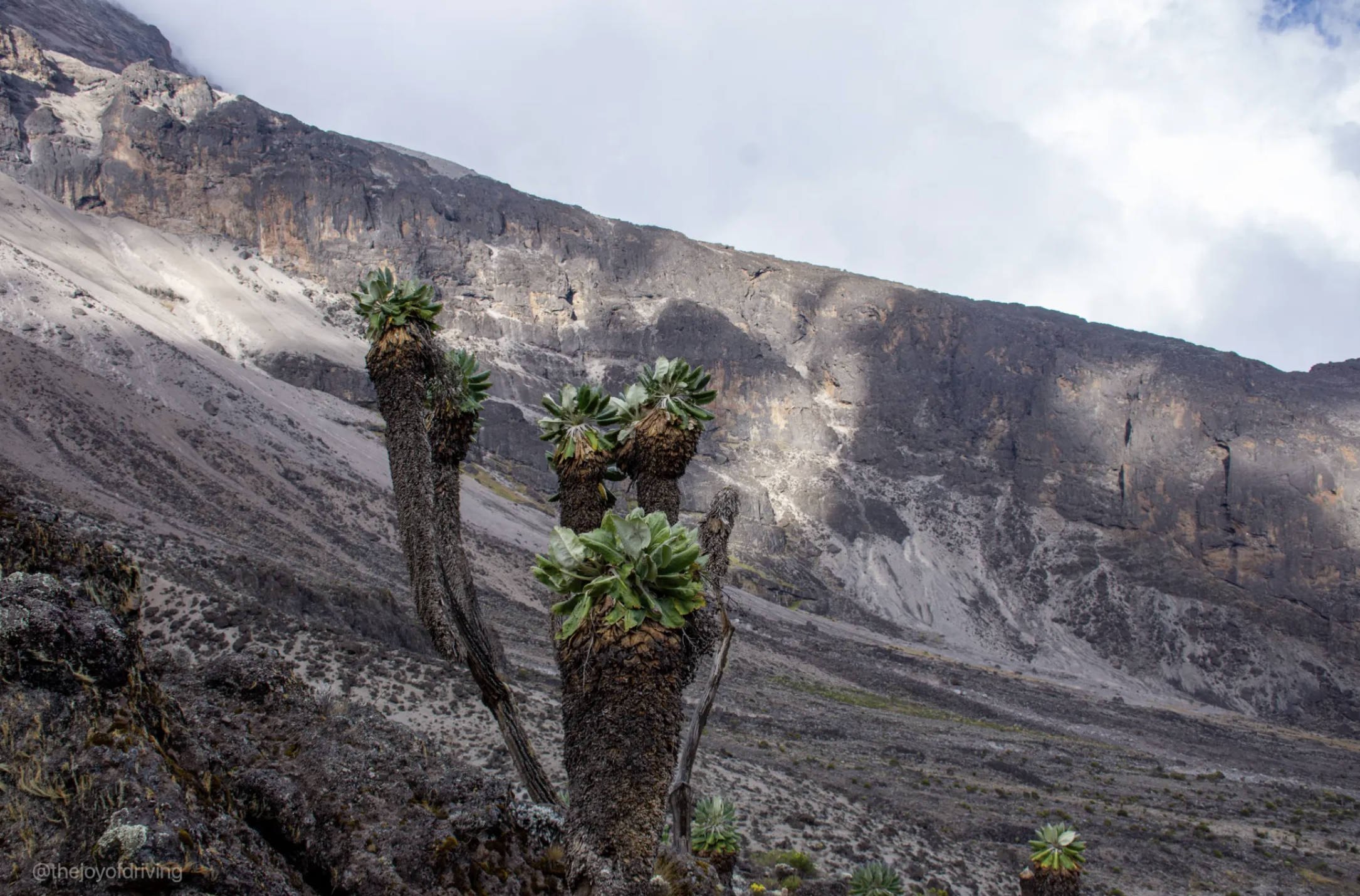
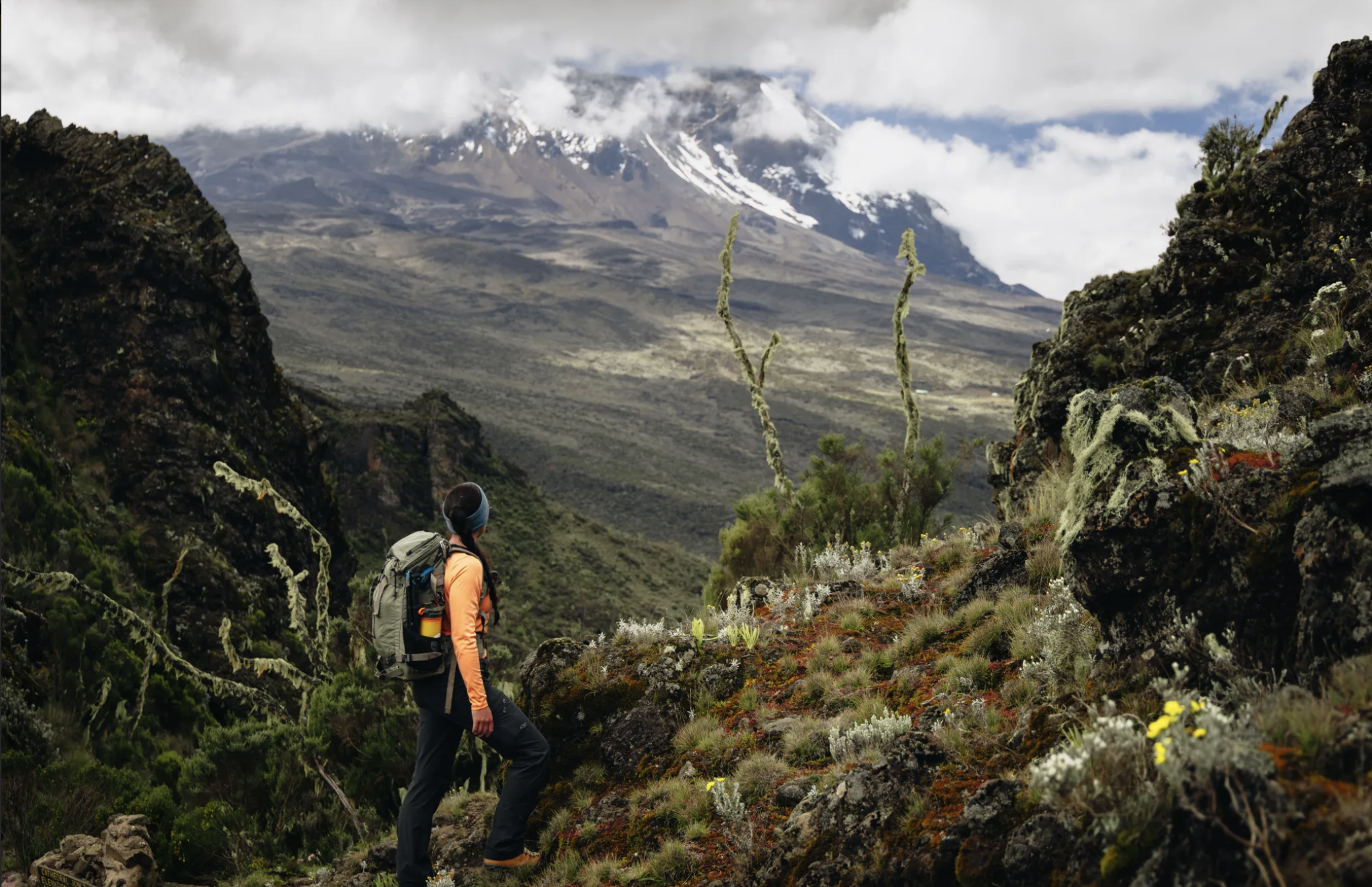
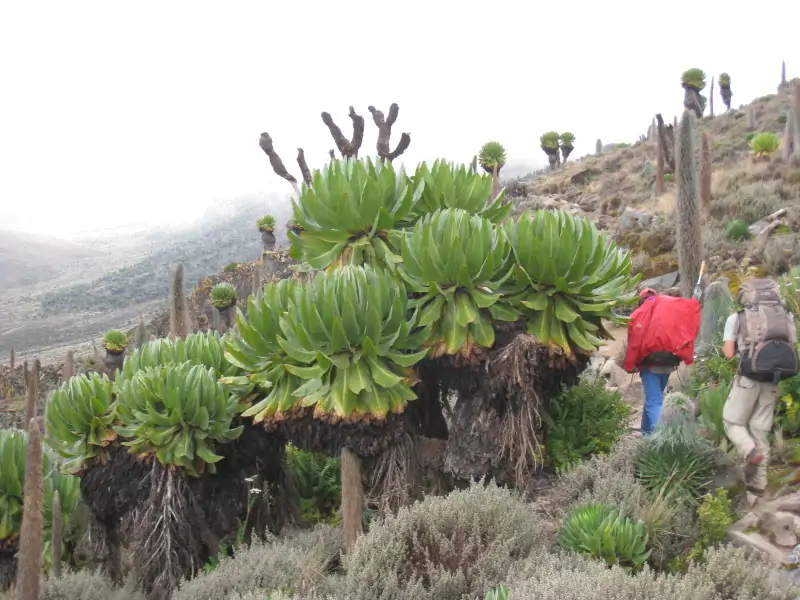
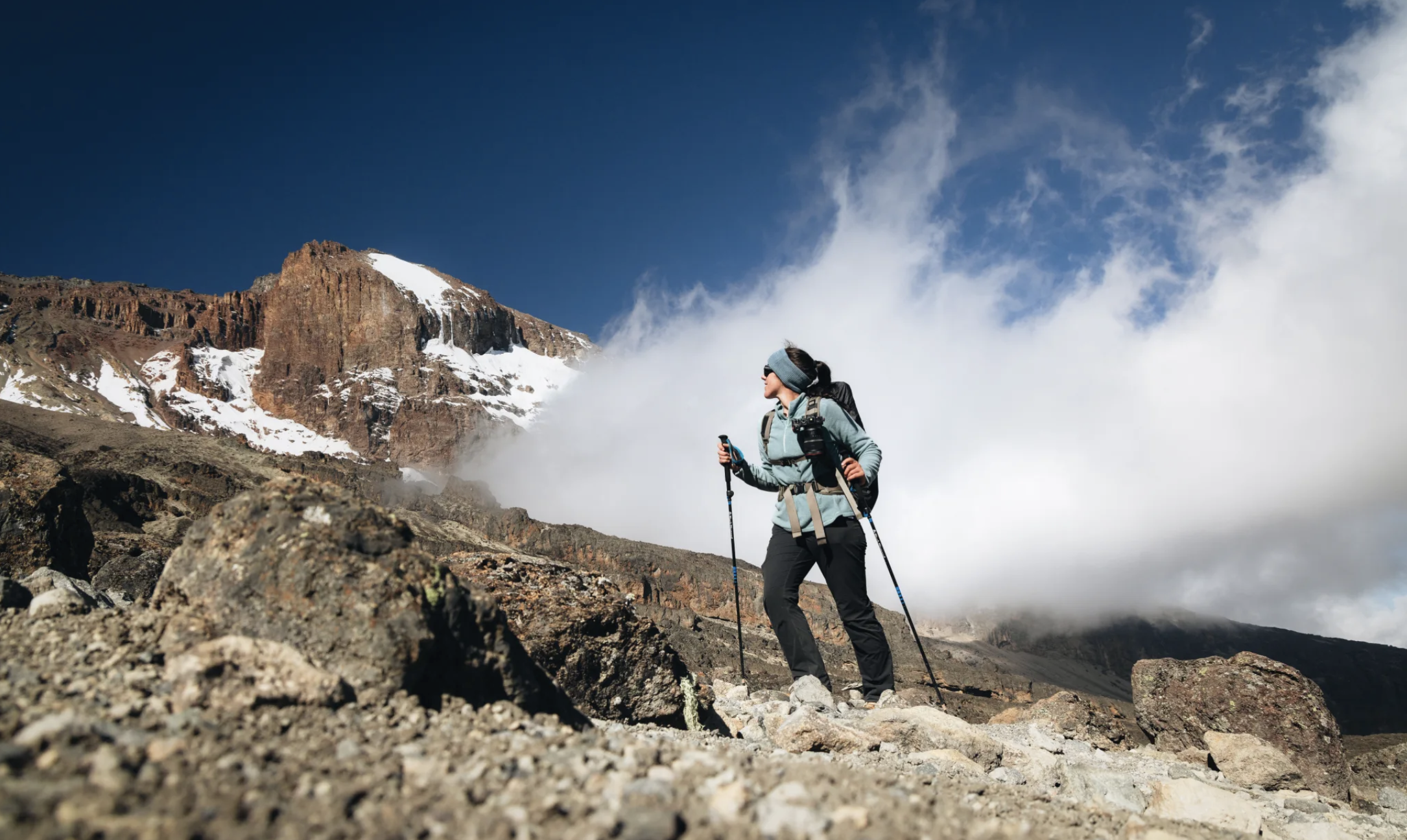
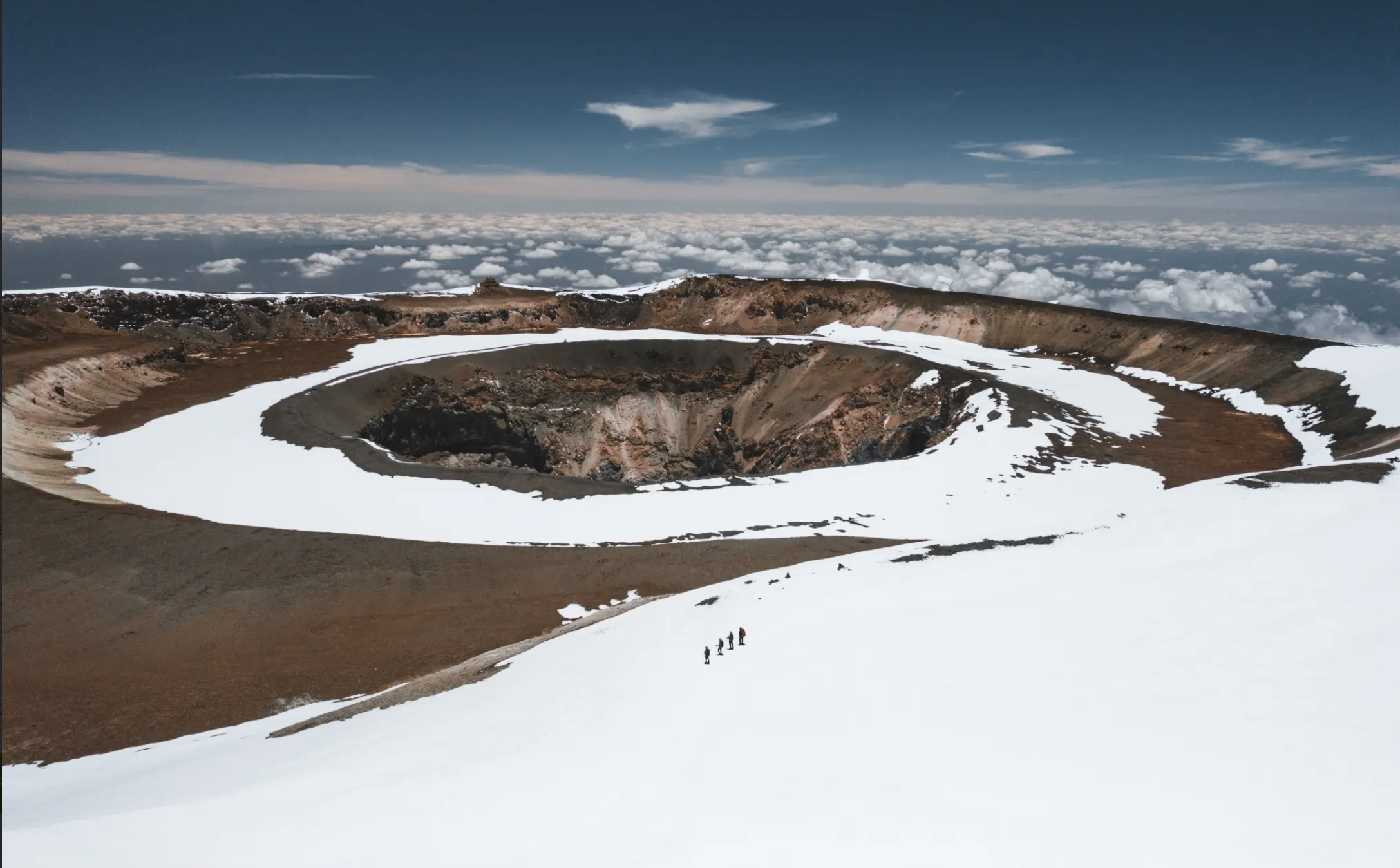
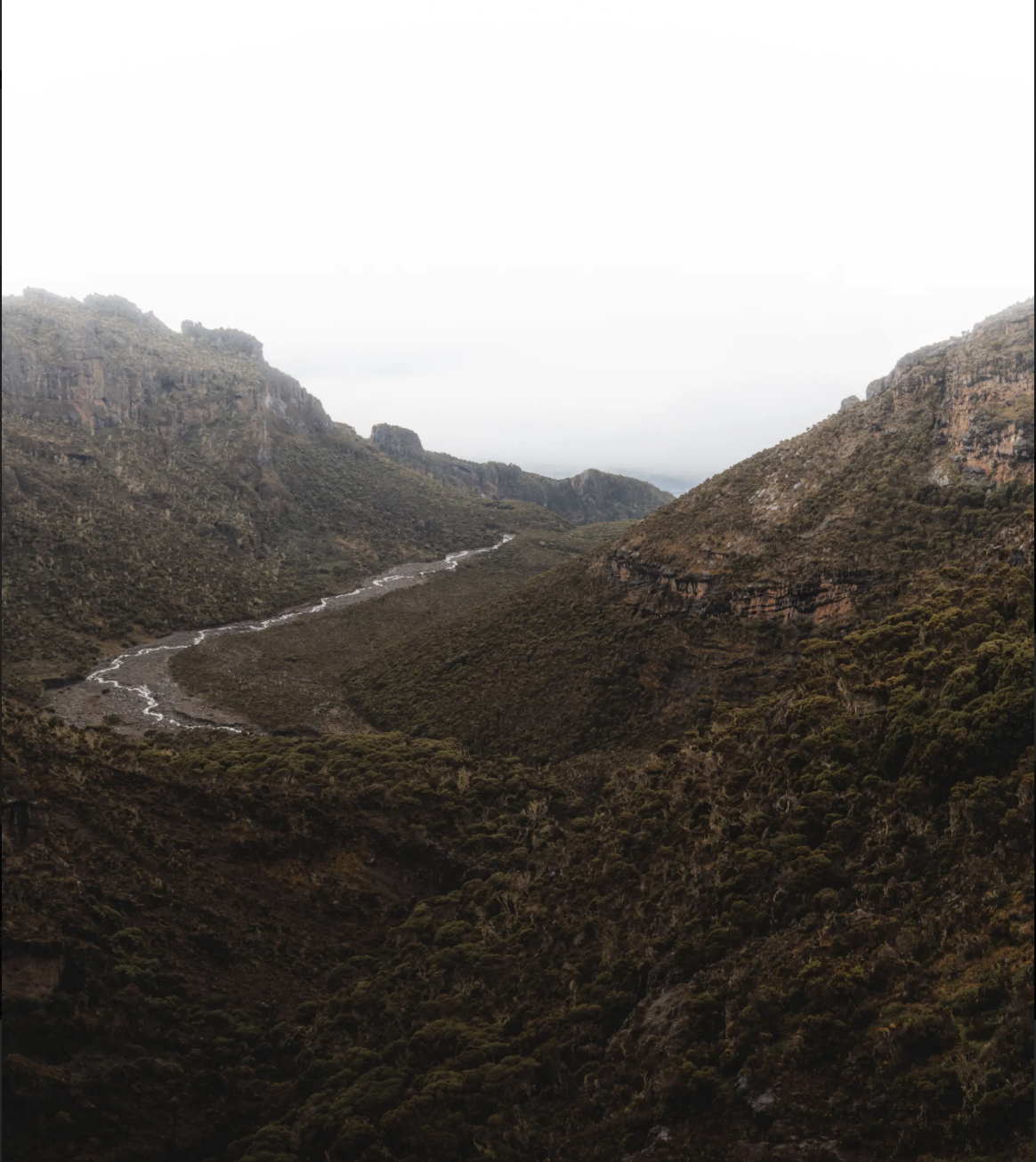
In the vastness of wild Africa, we conquer peaks with our gaze and scale them with our steps. Kilimanjaro draws visitors to Amboseli, where they witness the awe-inspiring sight of colossal elephant herds and the savanna giving way to snow. Mount Kenya astounds with its high-altitude flora—giant senecios, icy valleys, and profound silence. And the Drakensberg, the Semien Mountains, the Three Rondavels—at first, they’re merely silhouettes on the horizon. But after a day or two, they become your sole focus. In Africa, mountains aren’t always the first thing that comes to mind, yet they should be. Because sometimes, they’re the very reason you’ll long to return.

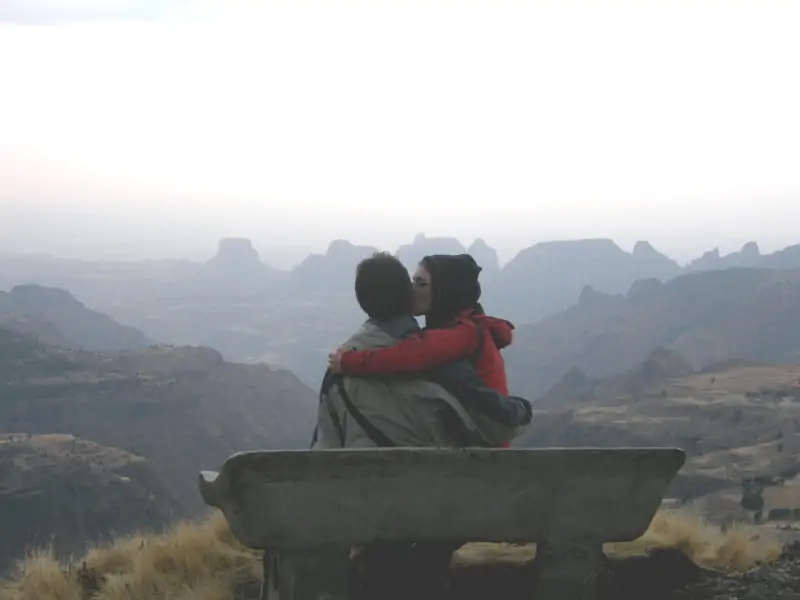
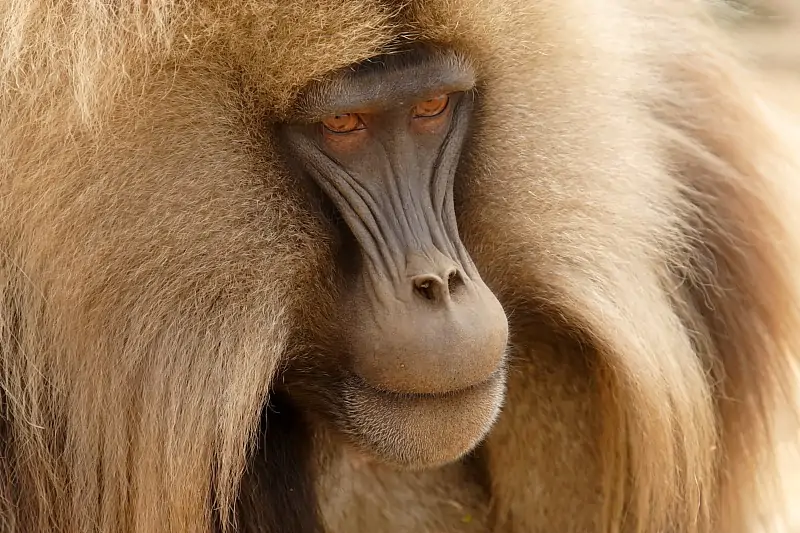
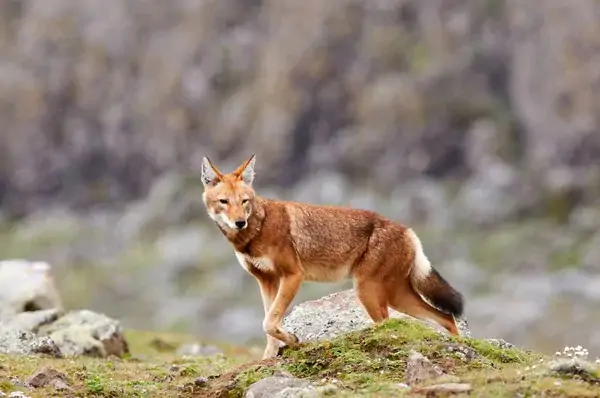
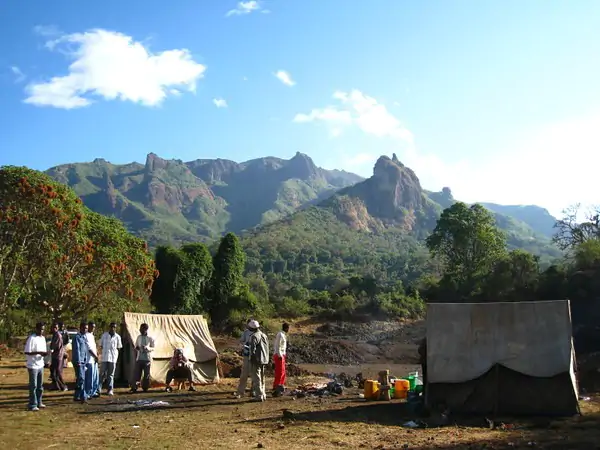
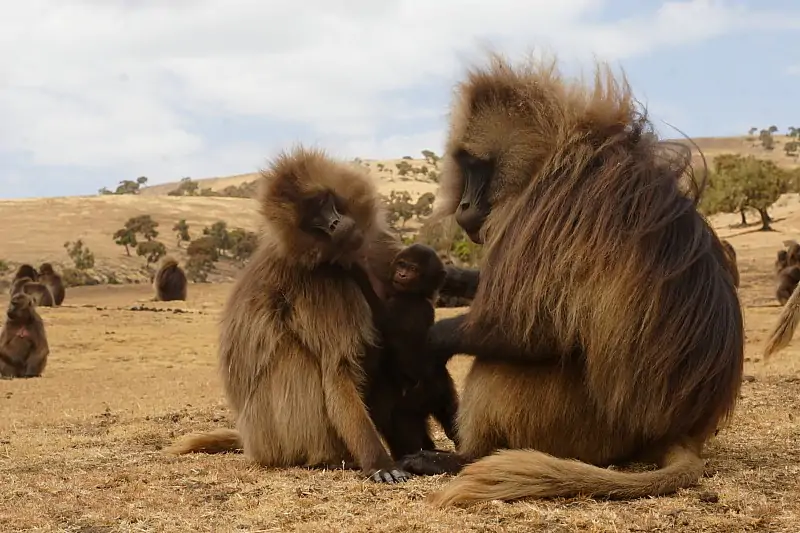
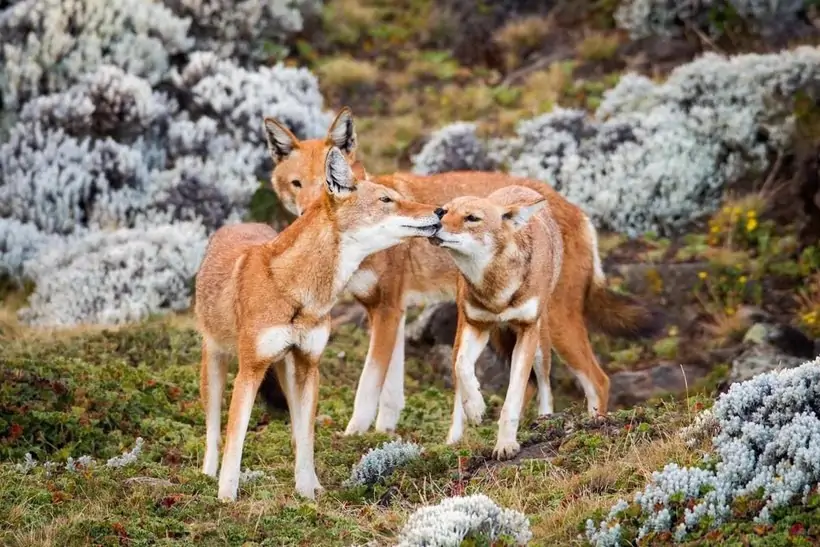
The Semien Mountains represent Africa in its purest form. Cliffs piercing the clouds, jagged plateaus, and narrow trails where black vultures soar above. This is home to golden-maned geladas and the elusive Ethiopian wolf. The landscape is rugged, yet exquisitely sculpted—carved by wind and time. The air is thin, the light sharp, and everything feels slower, quieter, deeper. Here, you don’t feel the need to speak. You simply walk, pause, and gaze into the distance. These mountains don’t demand admiration—they simply exist. An undeniable presence. The absolute vertical of inner stillness.

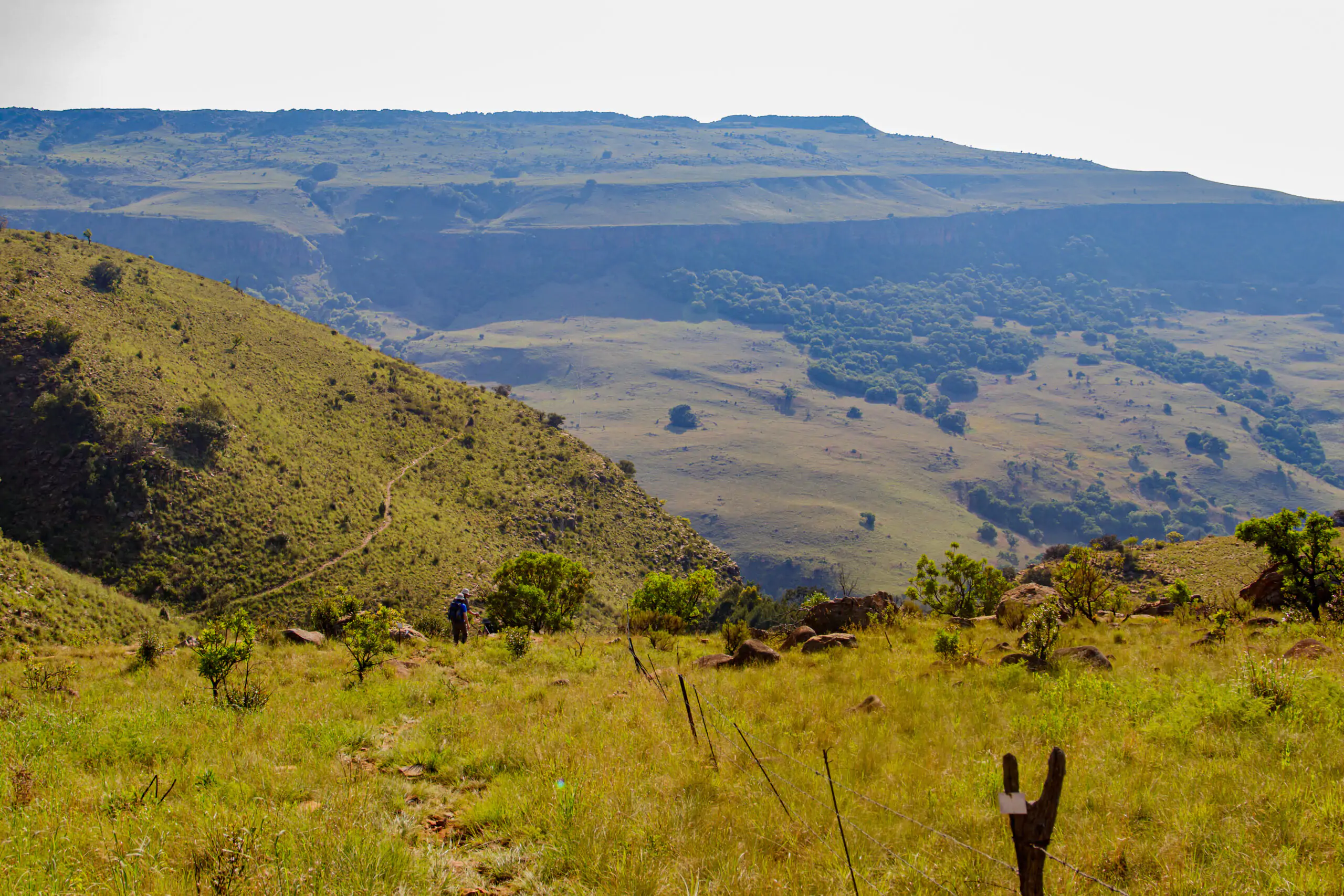
The Drakensberg is a stony hymn: straight lines, sheer walls, fissures, and waterfalls vanishing into the clouds. The cliffs seem arranged like a musical score—then frozen in time. The light shifts with every hour, and the landscape composes a symphony with itself. Near Blyde River Canyon rise the Three Rondavels—three rounded peaks like ancient watchtowers. They seem soft, yet possess a granite austerity. These are not mountains you yearn to conquer; they’re mountains you wish to let in. So you don’t just remember them—you see them, every time you close your eyes.

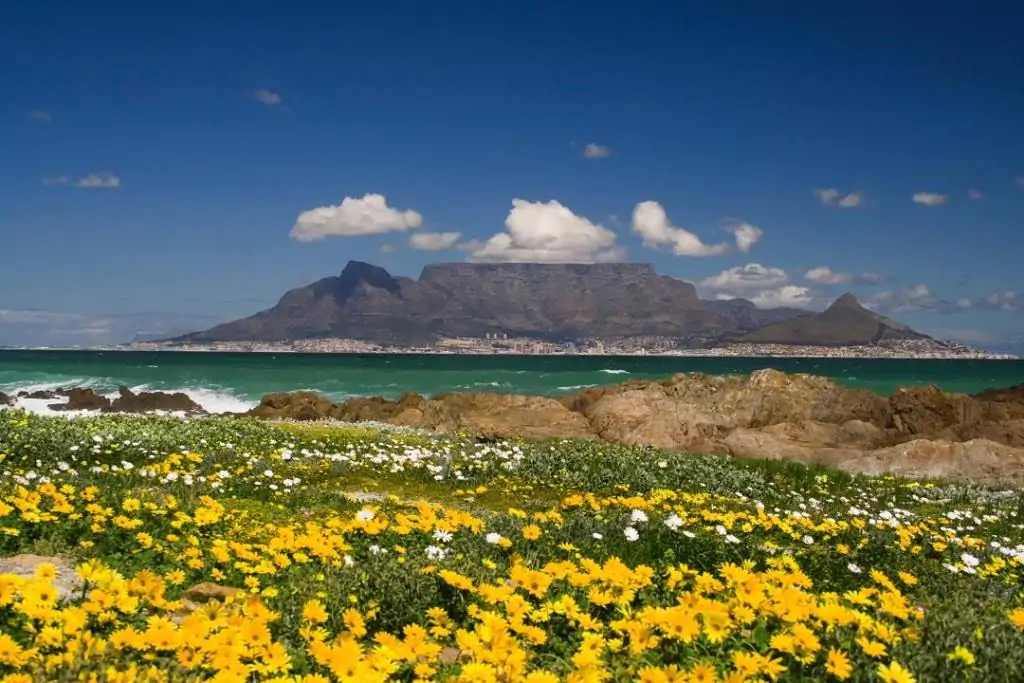
Table Mountain is an African paradox: a summit perfectly formed, flat as if drawn with a ruler, yet capable of stirring deep awe. Above it, the “tablecloth” of clouds cascades down; below lie the city, the vineyards, and the meeting of two oceans. It’s a point of balance—between civilization and wilderness, between light and stone. And the Cape of Good Hope—it’s the edge. Geographically and emotionally. Cliffs, wind, gulls, waves bursting into spray—everything here speaks of freedom. Not the loud kind, but the quiet, internal freedom you feel when standing at the very brink and realizing, suddenly, that there is nothing to fear.

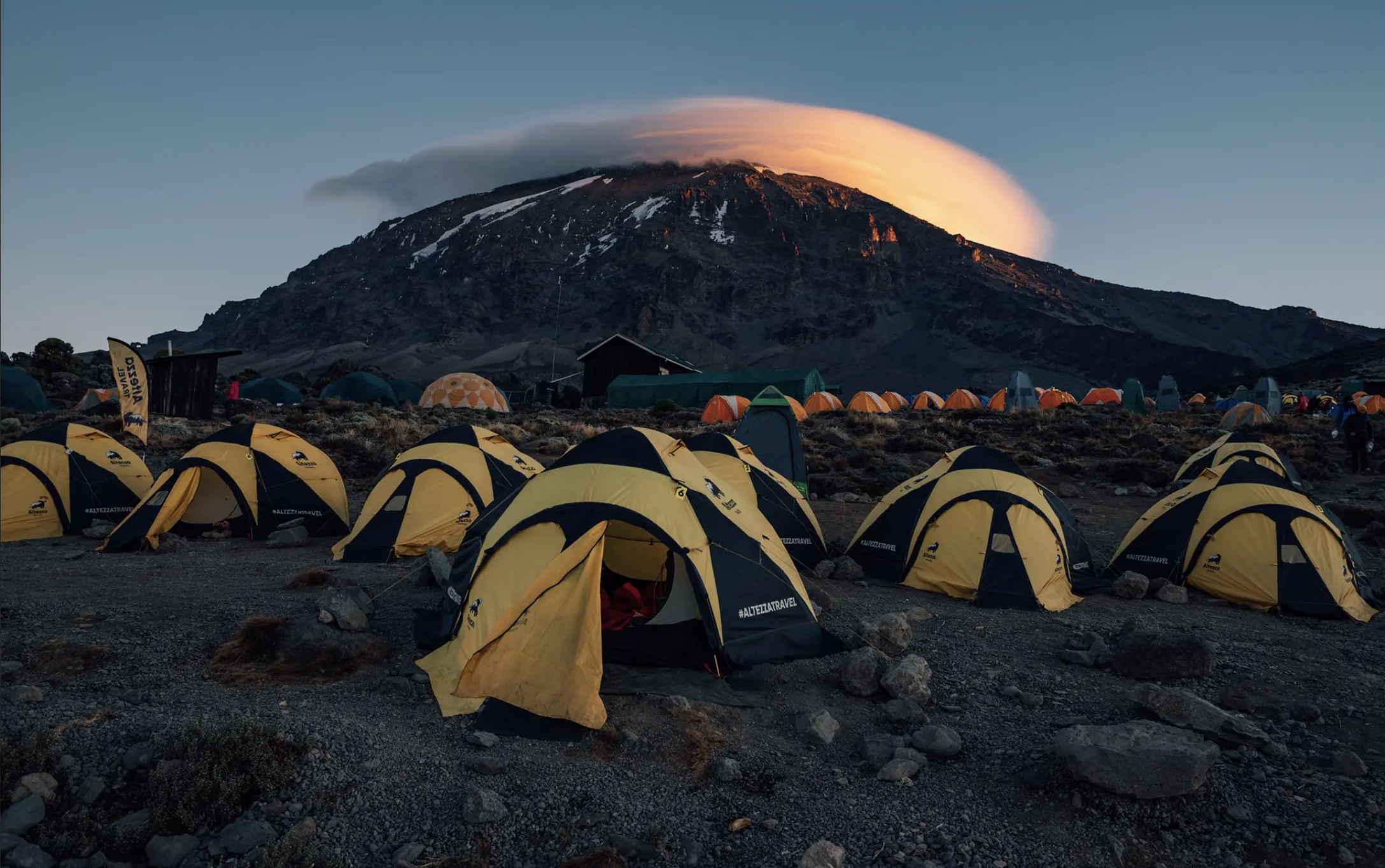
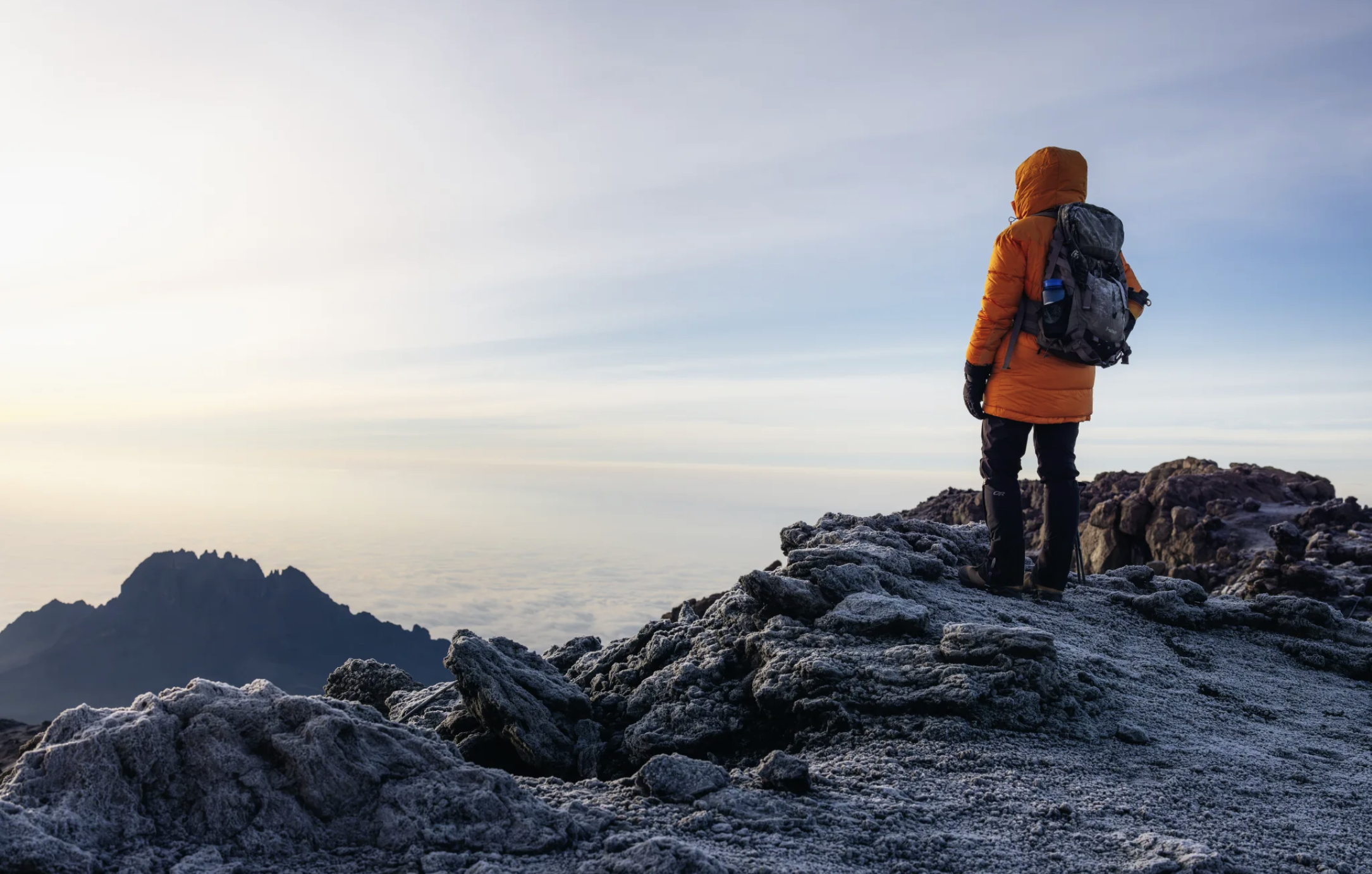
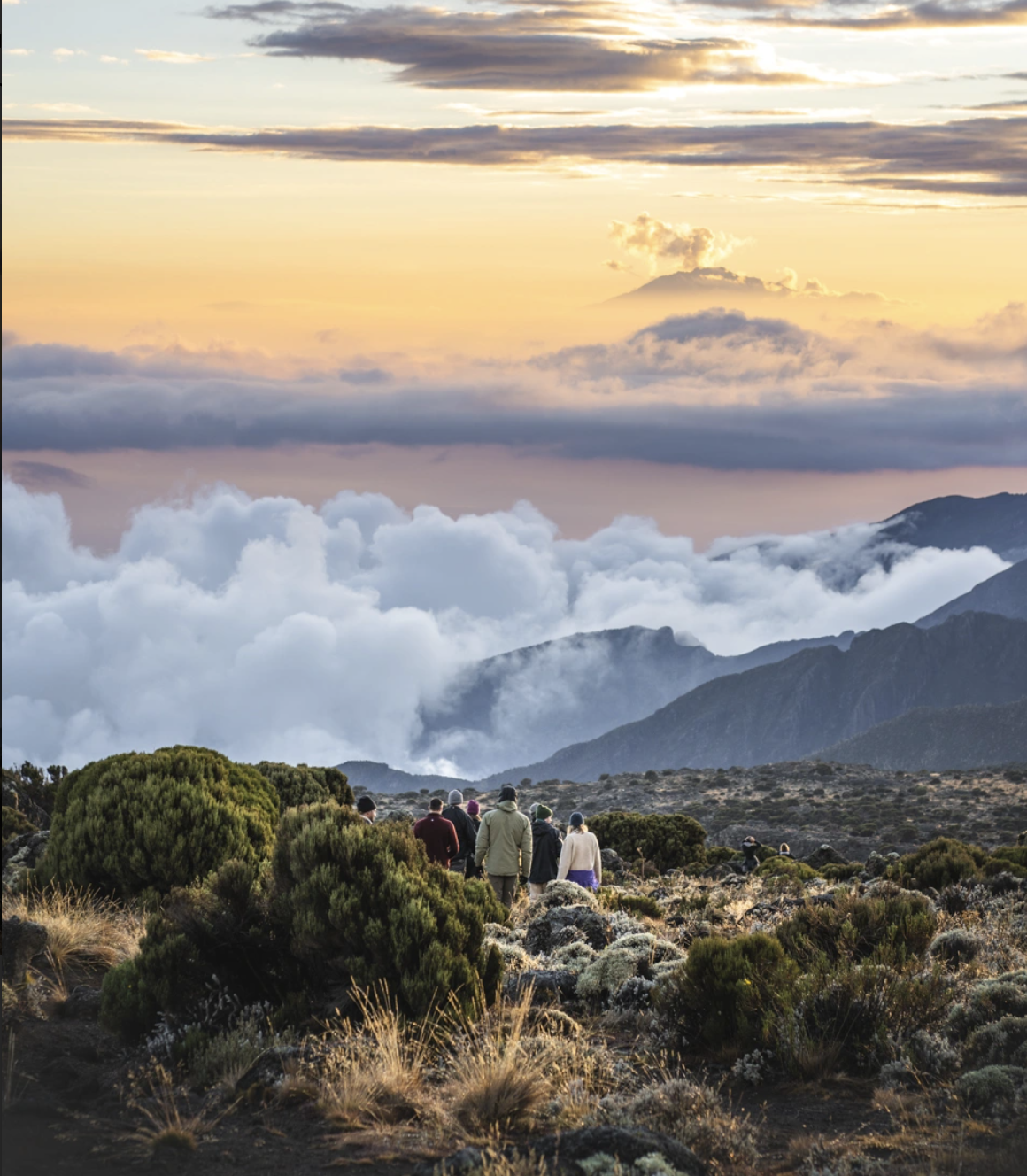
To greet the dawn from an African peak and watch the clouds give way to the sun’s initial light is truly priceless.
Better then a thousand words,
our photo reports
This is not a place to take pictures – it’s a place to create memories.
Do you like the feeling?
Save it to whatsapp

How do you see it all?
ascend the summit of the rocky giants
We fell in love with Africa for its unique nature and people. The emotions we have experienced here are hard to convey but can be given, that’s why we have dedicated our lives to it. Each point of the route has already been tried by us personally, it remains to make an individual program for you personally.

Kilimanjaro National Park, Tanzania: Climbing Routes.
 Telegram
  Whatsapp
  Viber
Viber  Skype
Skype  Email
Email  Phone
Phone 
