

Climbing Africa’s Mountains
- Eternal ice on the equator
- The pinnacle of the African continent
- Ascents of every difficulty and comfort level
Why
climb mountains?
The only mountains higher than the ones you’ve climbed are the ones you haven’t yet.! Interestingly, across the globe, the highest peaks tend to cluster in well-known ranges, think the Himalayas or the Caucasus. But Africa’s different. The Dark Continent throws its own curveball here. For those who can’t sit still and crave an active escape, we’re talking about tackling Africa’s giants.
The most popular destinations are Mount Kilimanjaro and Mount Kenya.

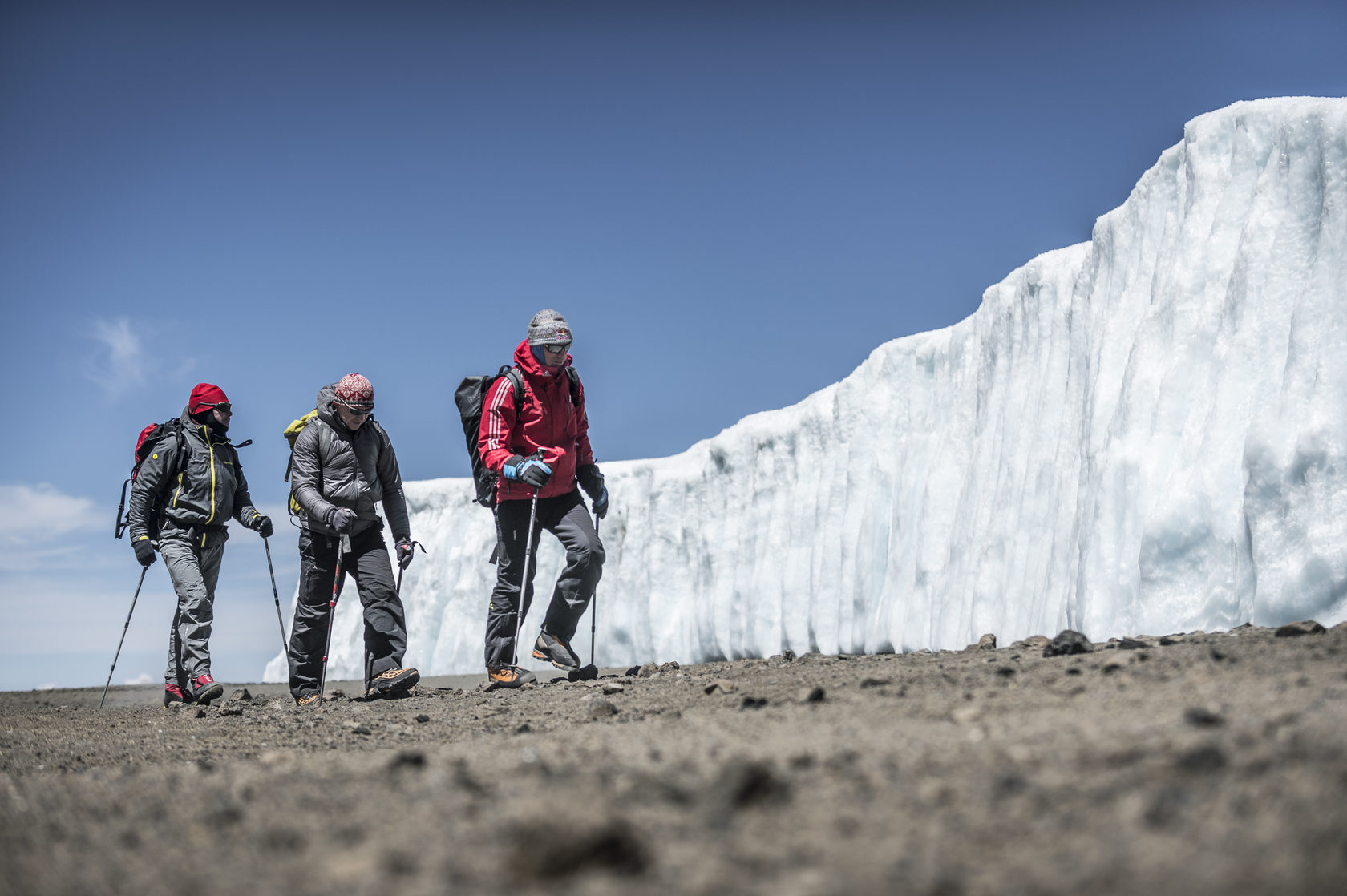
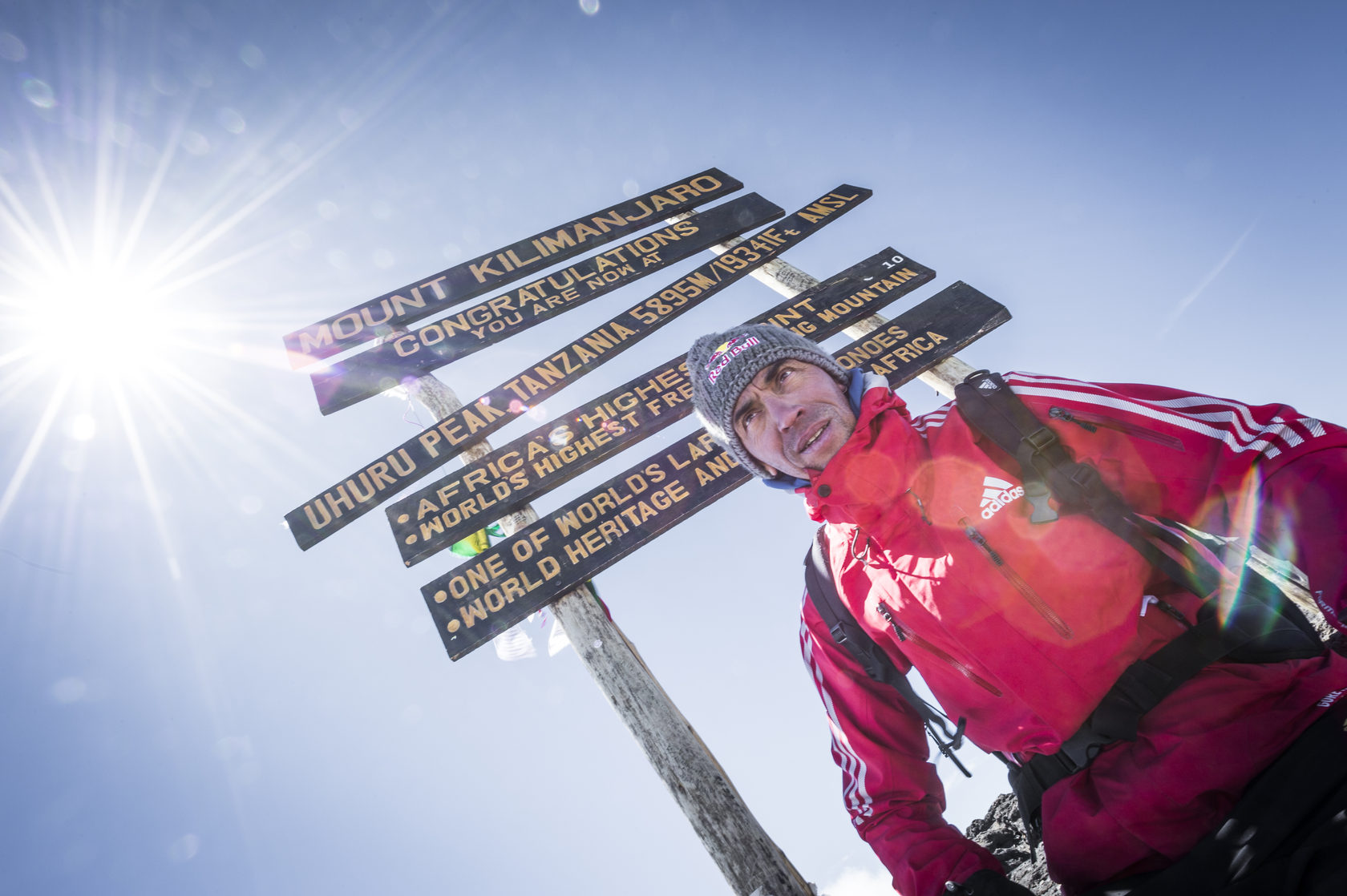
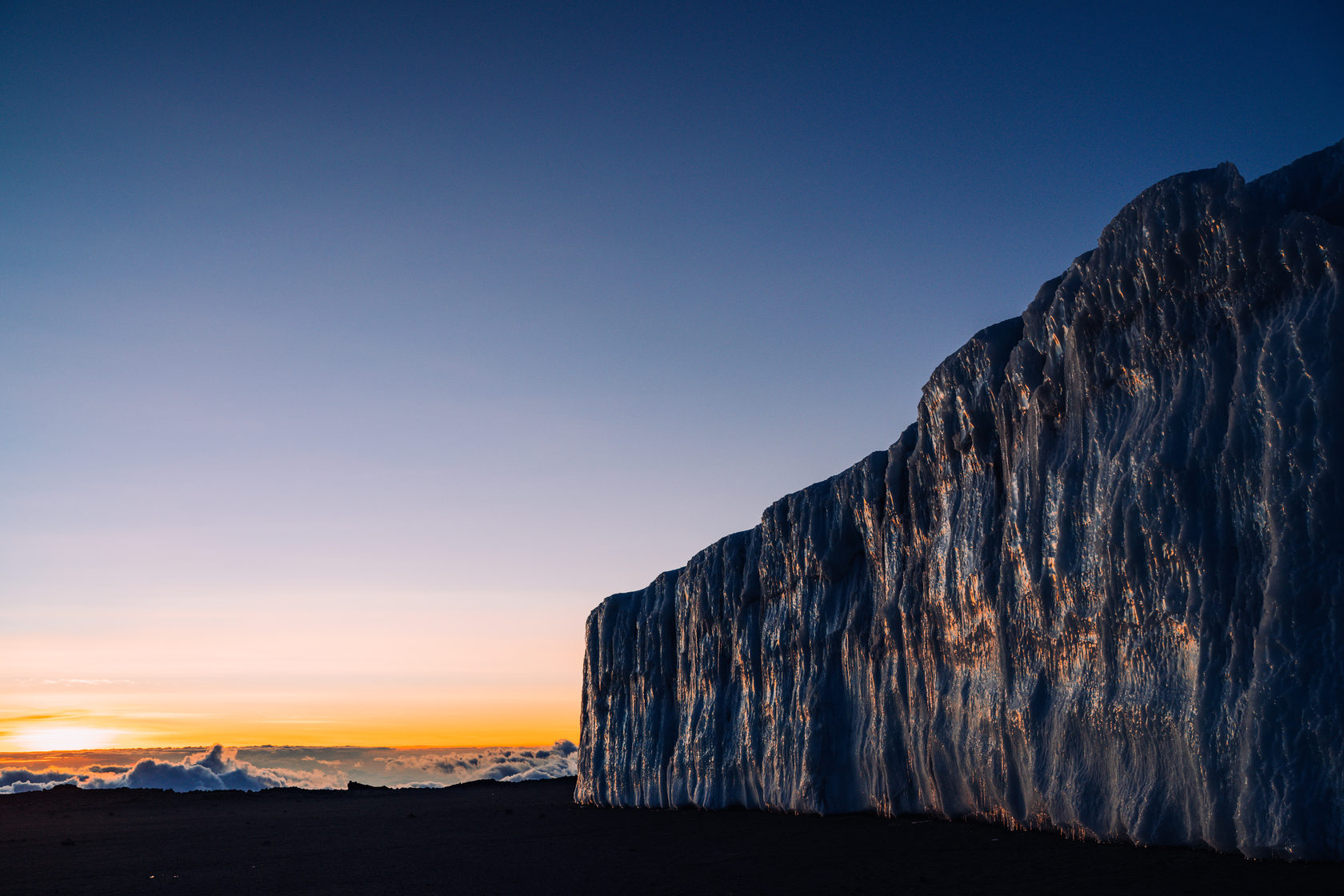
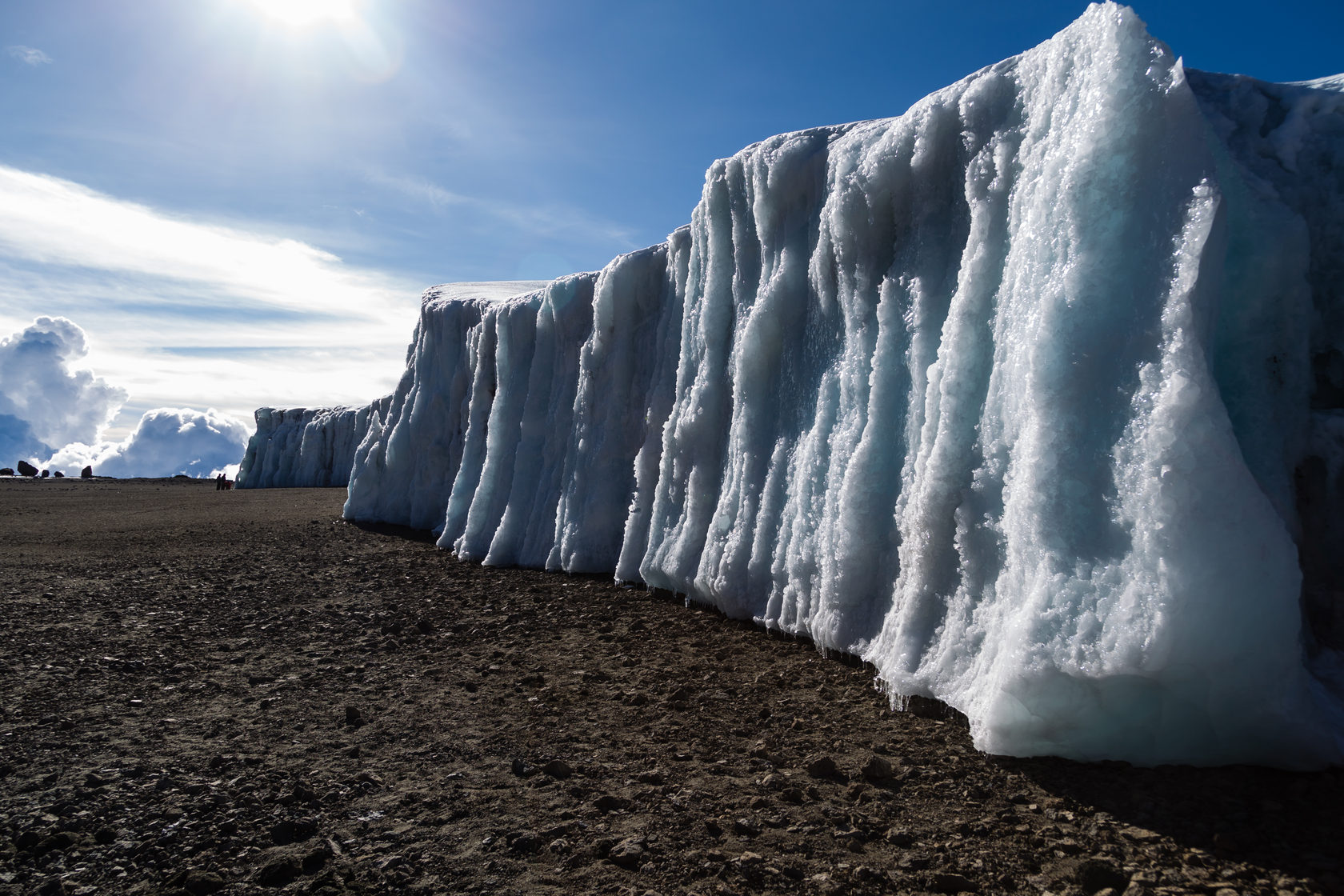
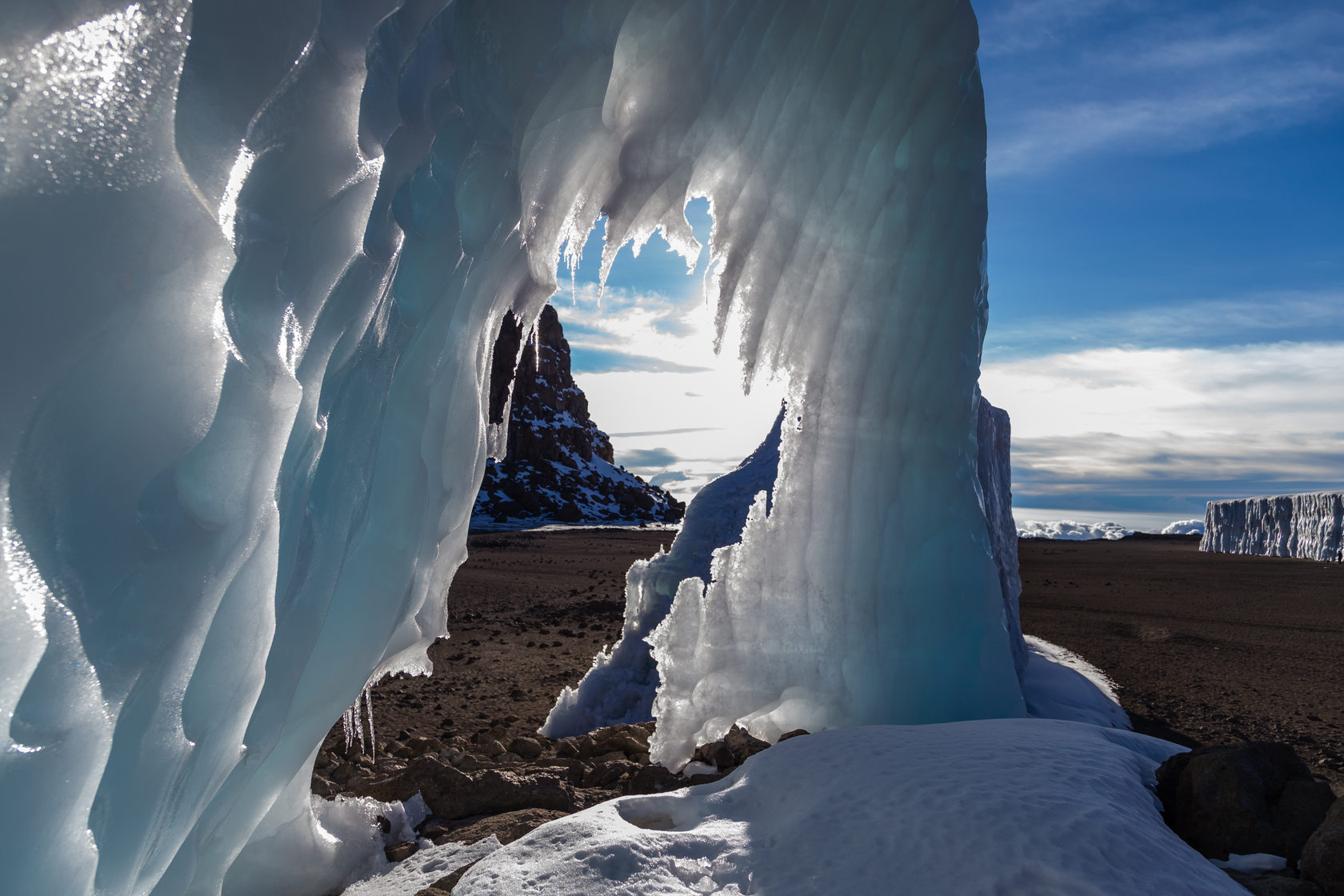
Kilimanjaro, Africa’s rooftop at a staggering 5,895 meters (that’s around 19,341 feet for you imperial system folks!), is mind-blowing. Just picture this: smack-bang in the middle of sweltering savannas and lush jungles, practically on the Equator, and yet up there, way up high, lies a land of ice and snow, a permanent winter wonderland! Geographically, Kili’s in Tanzania, but the prime viewpoints are actually in Kenya. Kilimanjaro boasts three main summits, with Kibo being the big daddy. There are several routes to the top, varying in difficulty. But a word to the wise: even A-listers and top athletes like Sharapova and Abramovich have been humbled by rushing the acclimatization process. With the right approach, gear, and a seasoned guide, bagging this summit is definitely within reach.

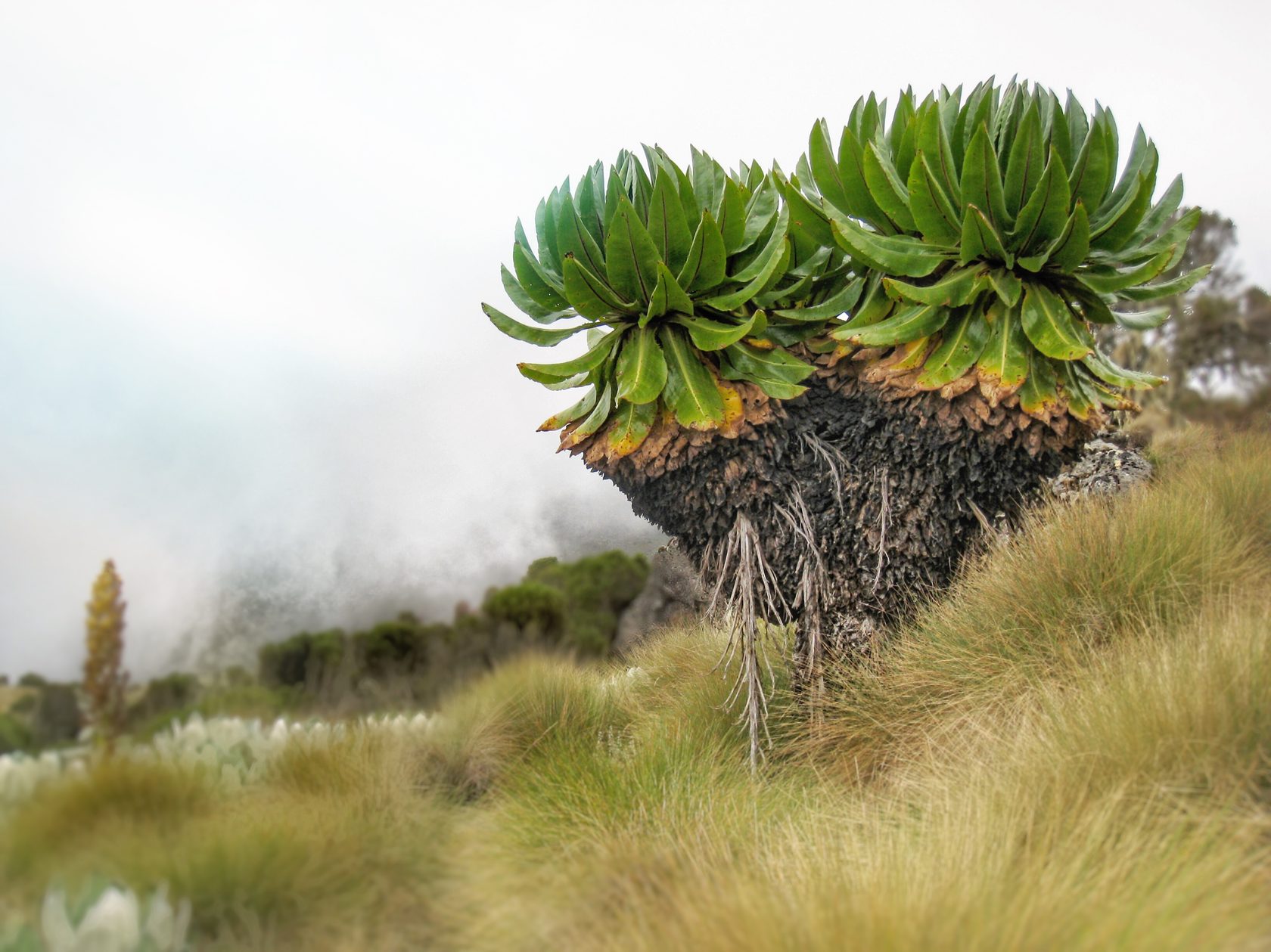
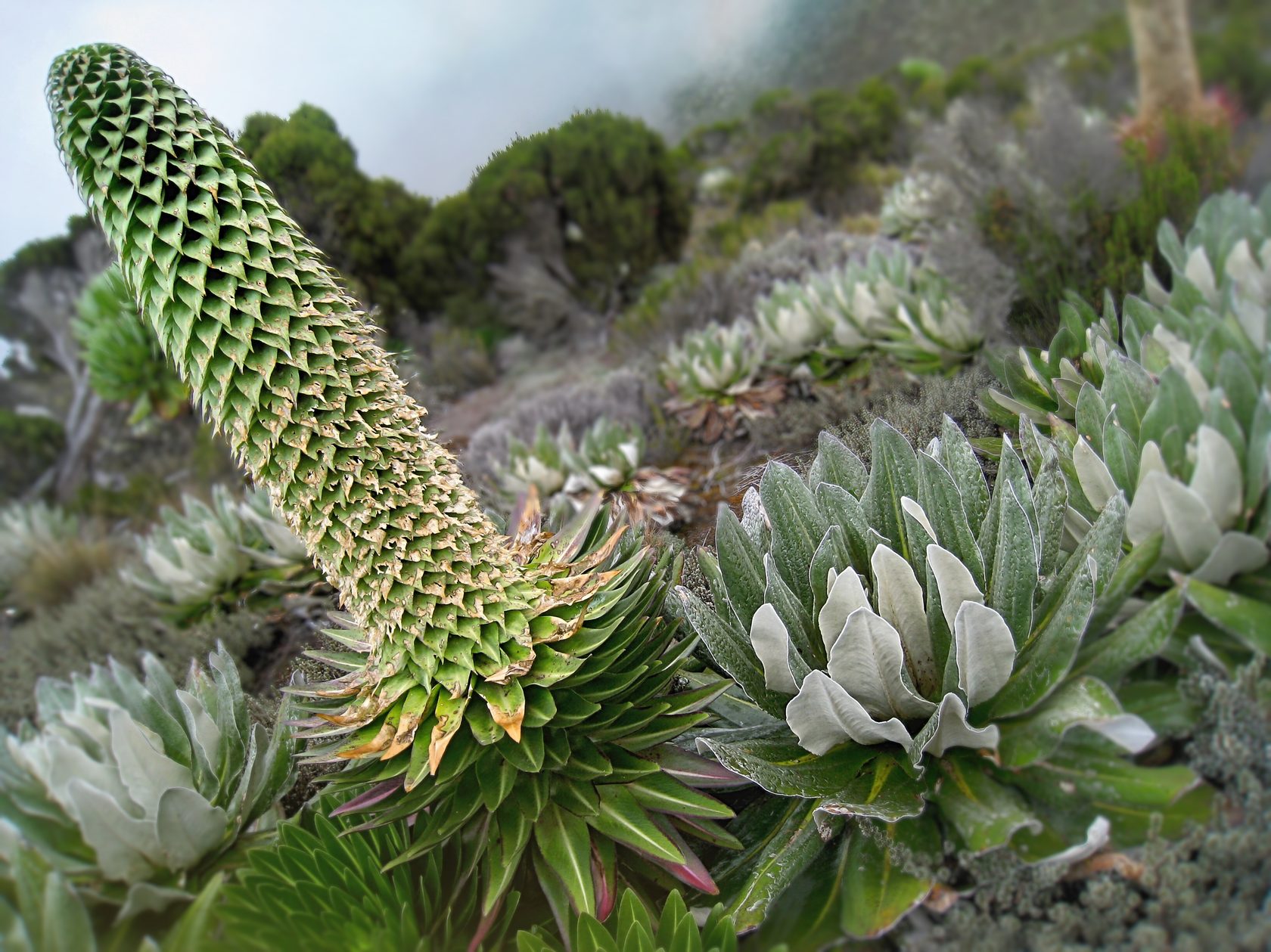
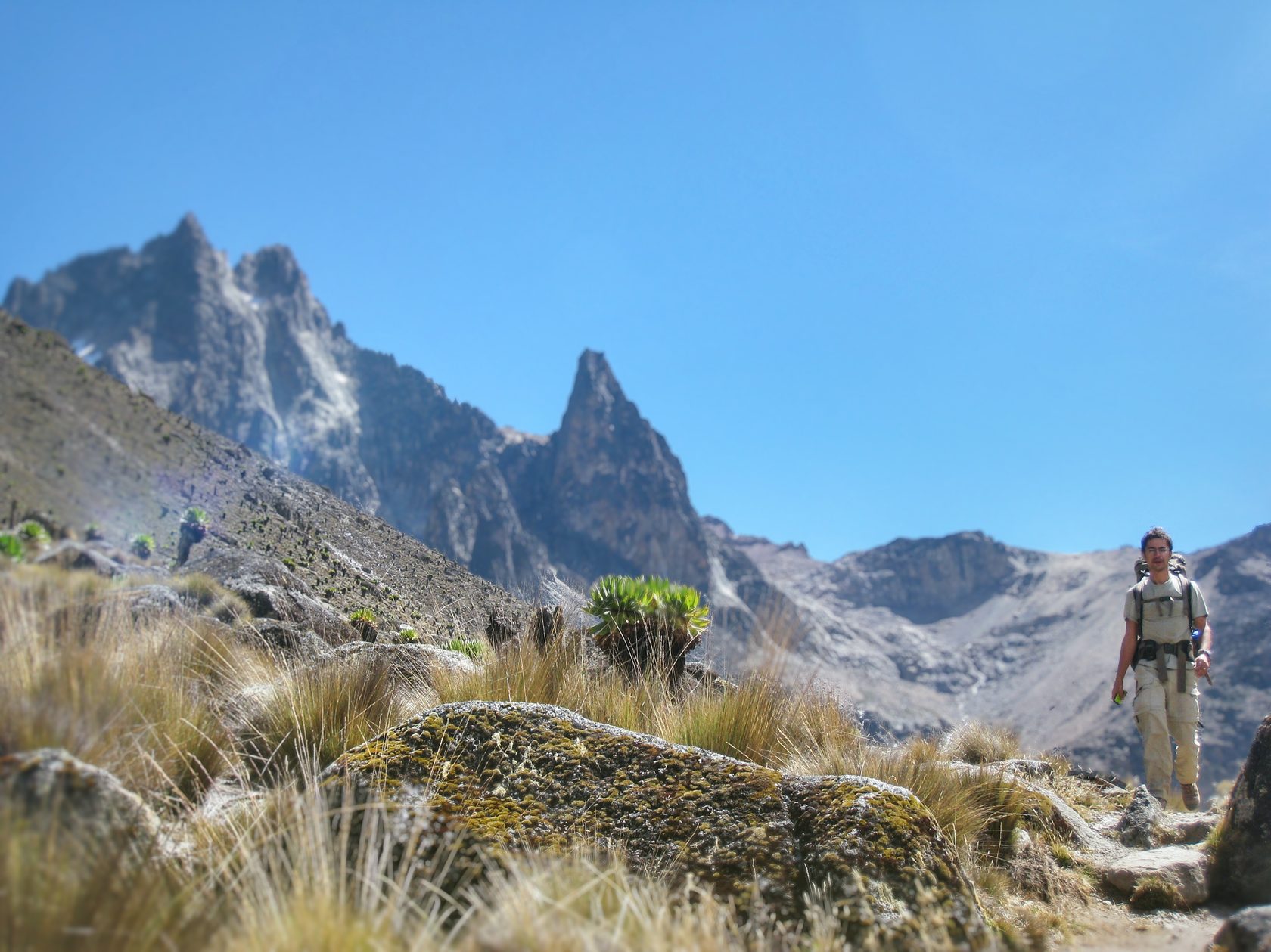
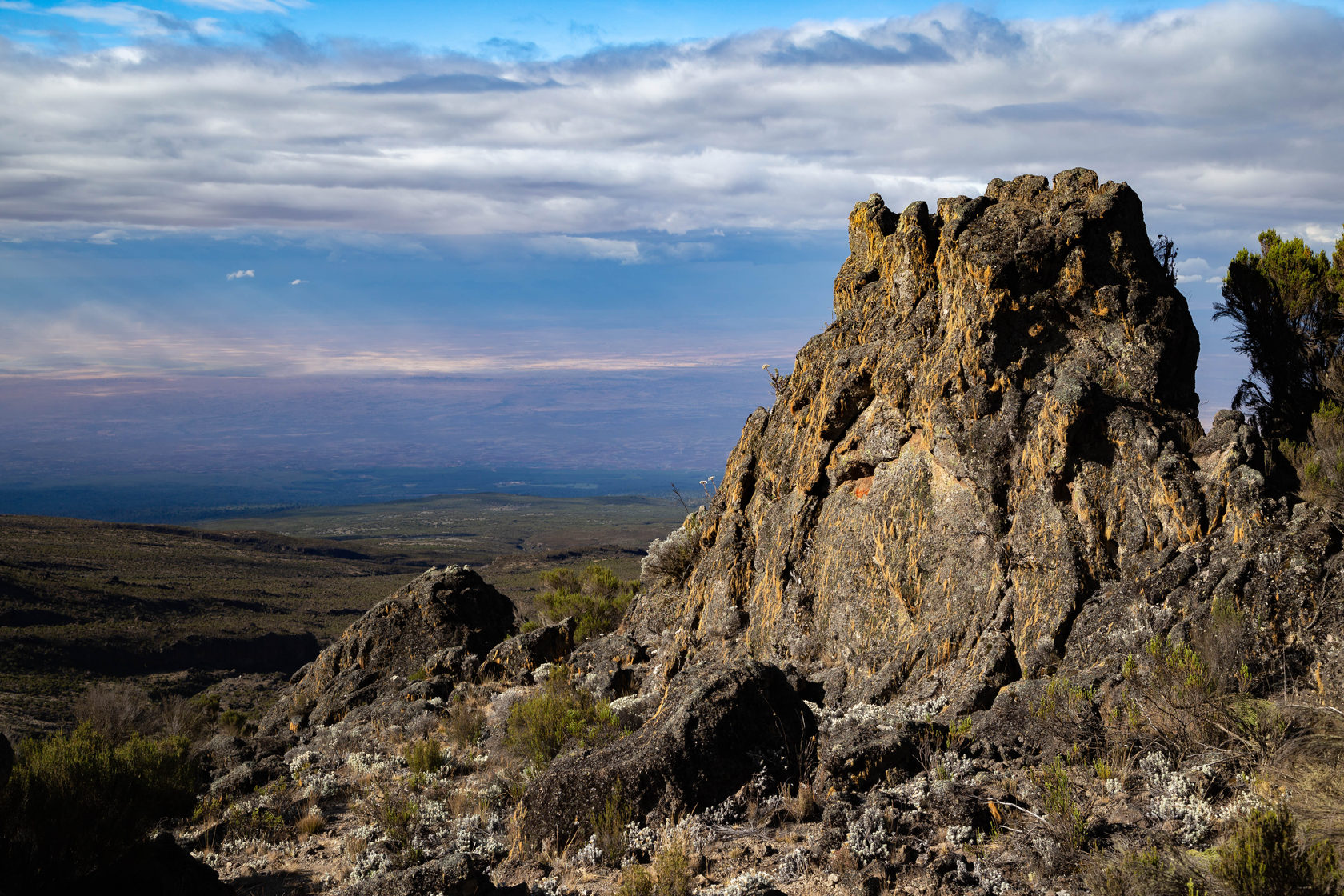
Coming in second is Mount Kenya, another African heavyweight. It sits about 140 kilometers (roughly 87 miles) northwest of Kenya’s capital, Nairobi, and punches in at 5,199 meters (around 17,057 feet) above sea level. It also sports three main peaks: Batian, Nelion, and Lenana. The main climbing routes offer various levels of challenge, generally lead to Lenana Peak. Whichever way you go, you’ll be summiting through stunning alpine meadows and past high-altitude lakes, surrounded by a unique mix of equatorial and high-altitude flora and fauna – a major draw for mountain scenery buffs from every corner of the planet.
Mountain expeditions, like any other African adventure, come with different price tags. What you pay depends on the level of service and the package you choose.

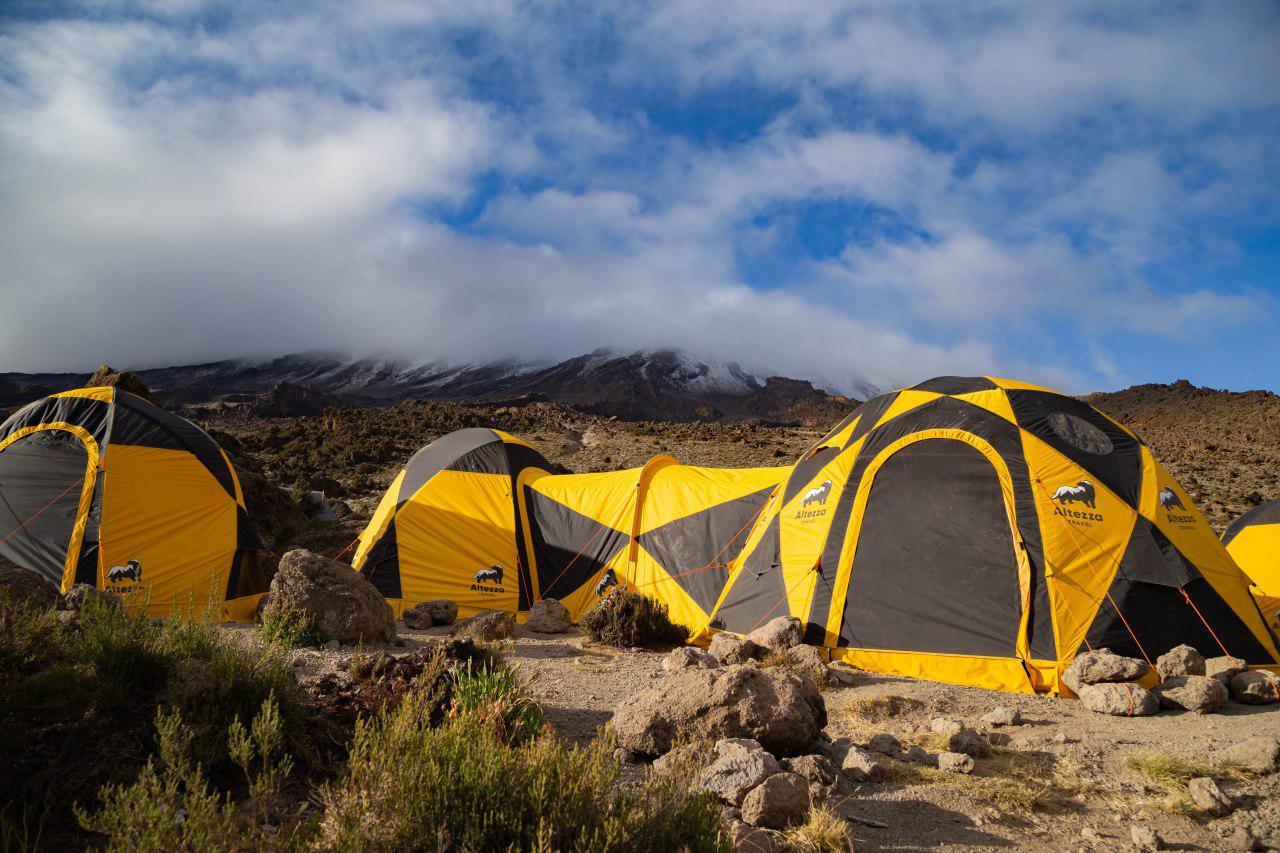
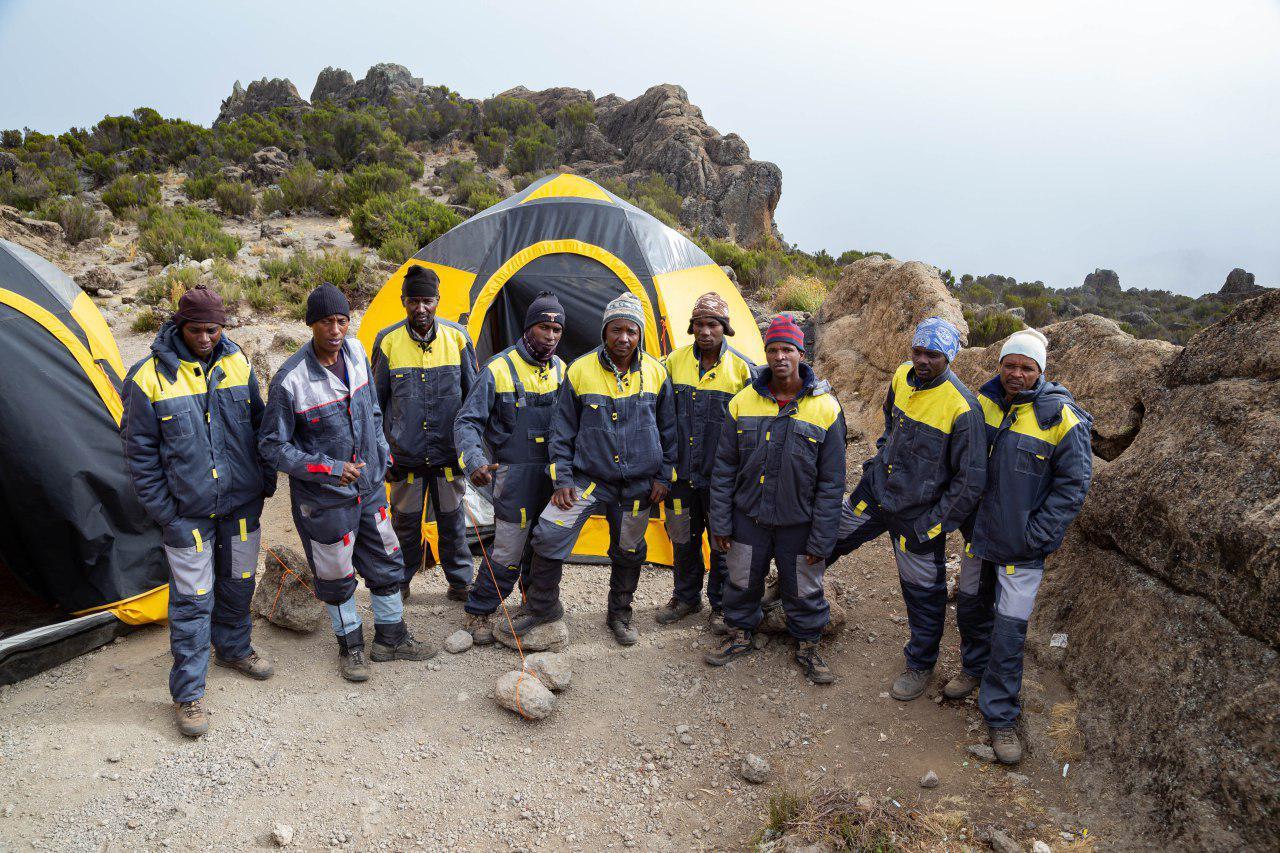
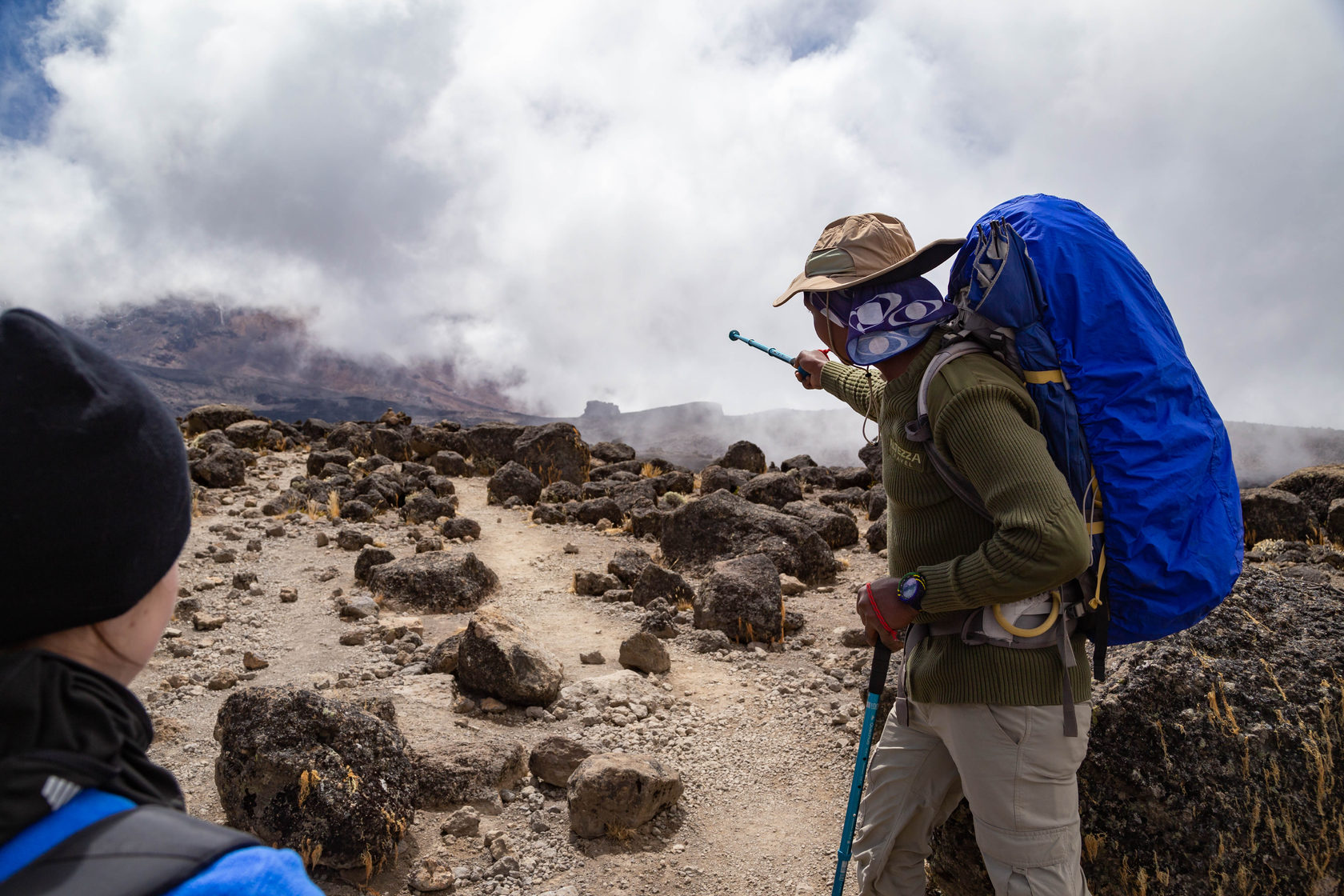
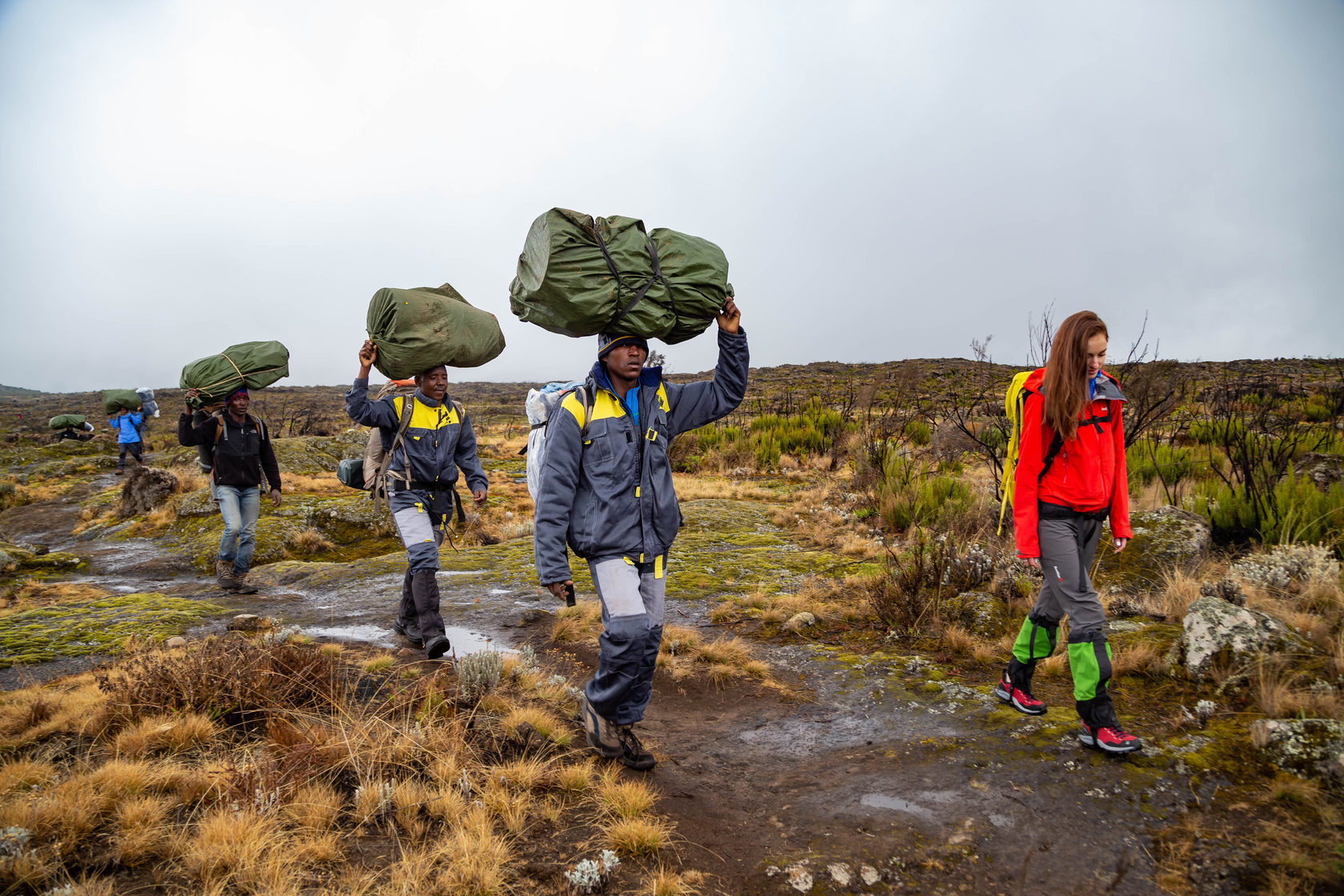
The cost typically covers your gear (tents, sleeping bags, ropes, boots), grub, portable shower and toilet facilities, and, of course, your guide. And your guide isn’t just there to point the way to the top; they’ll also make your trip vibrant and unforgettable.
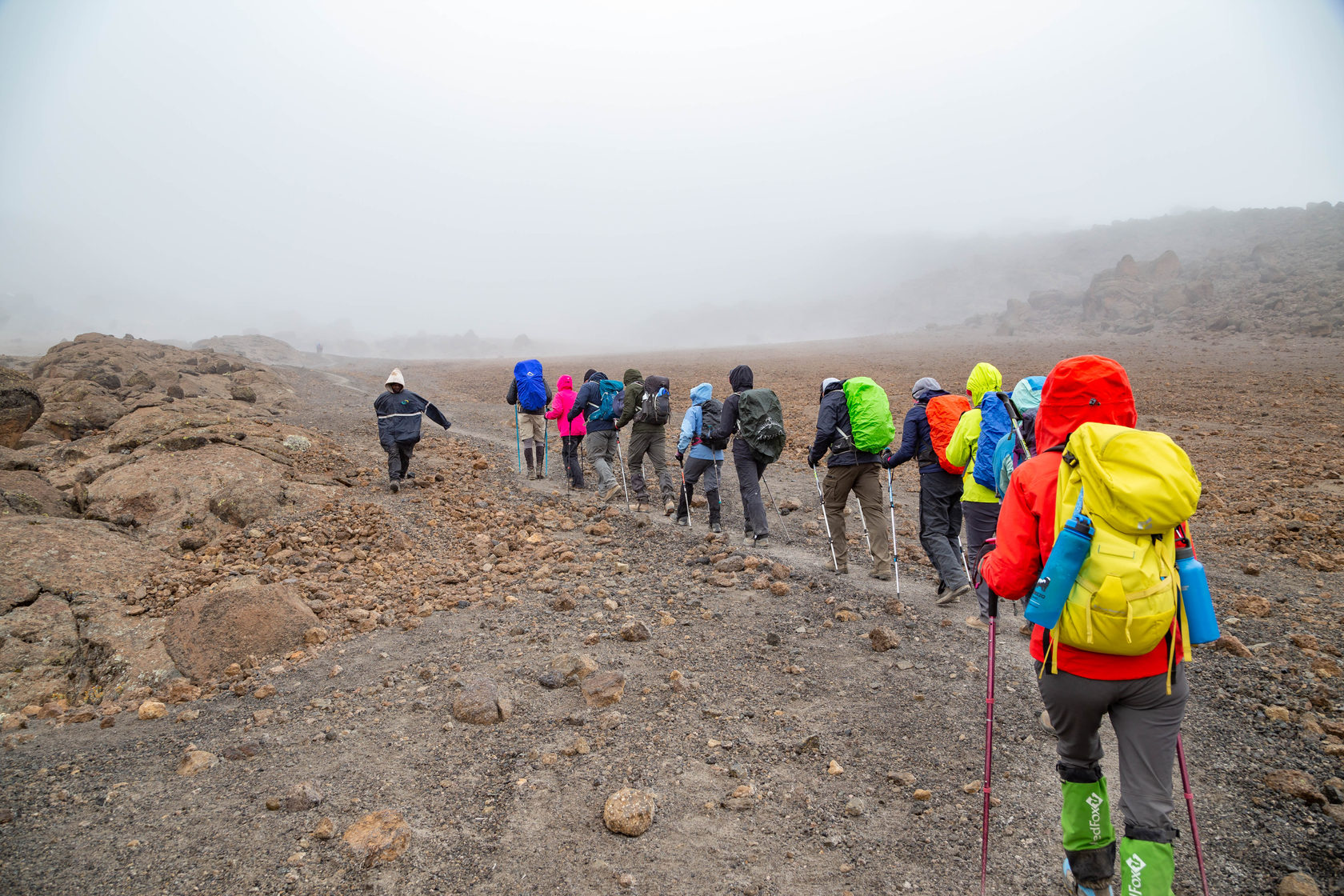
A climb can be a quick three-day blitz or stretch out to a week or even longer. It all hinges on the route and itinerary you pick. A pro tip? Plan your mountain trek after your safari, and then, once you’ve conquered the peak, treat yourself to some well-deserved beach time. It’s simple logic: you’ll want to chill after the climb, and safaris themselves can be physically and emotionally draining.

You can tackle Africa’s mountains pretty much year-round, with a couple of exceptions: avoid April and May, which mark the “long rains” season, and November, when the “short rains” roll in. Air temperatures generally hover between a balmy 20 to 35 degrees Celsius (68 to 95 degrees Fahrenheit). The weather’s usually hot and dry with a low chance of rain. Up in the mountains, though, especially at the summit, temperatures can plummet to a chilly -10 degrees Celsius (14 degrees Fahrenheit).

With the right gear, guidance, and a can-do attitude, you’re all set to conquer this peak.
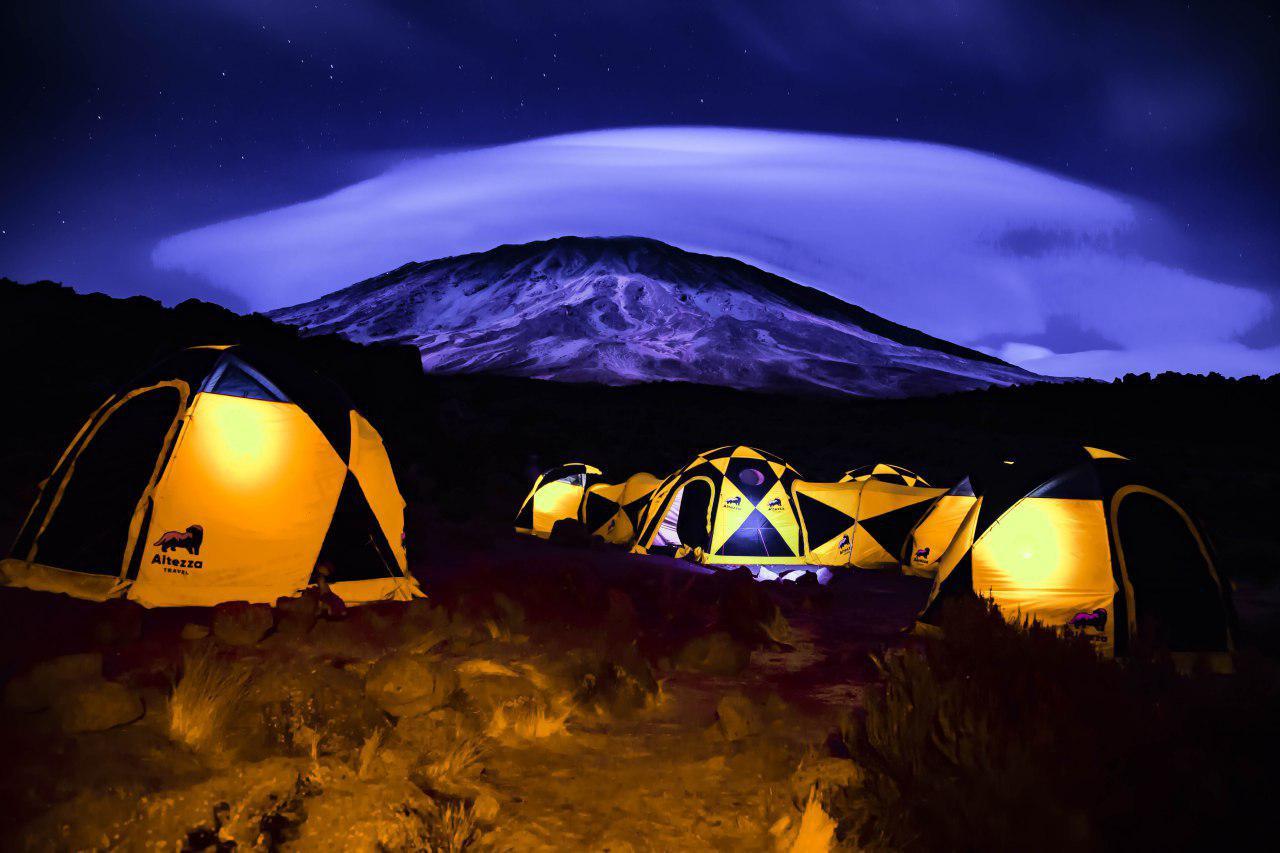
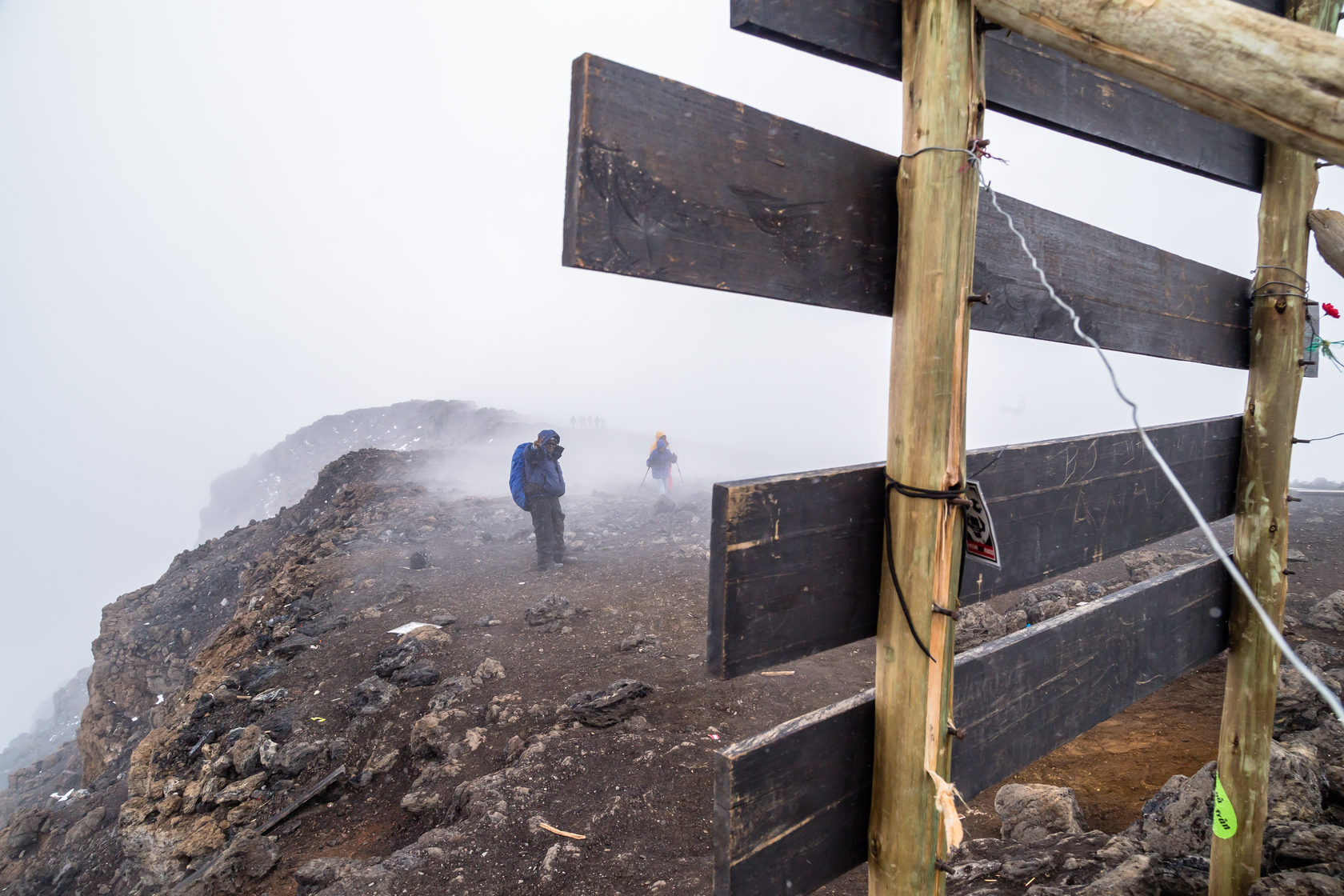
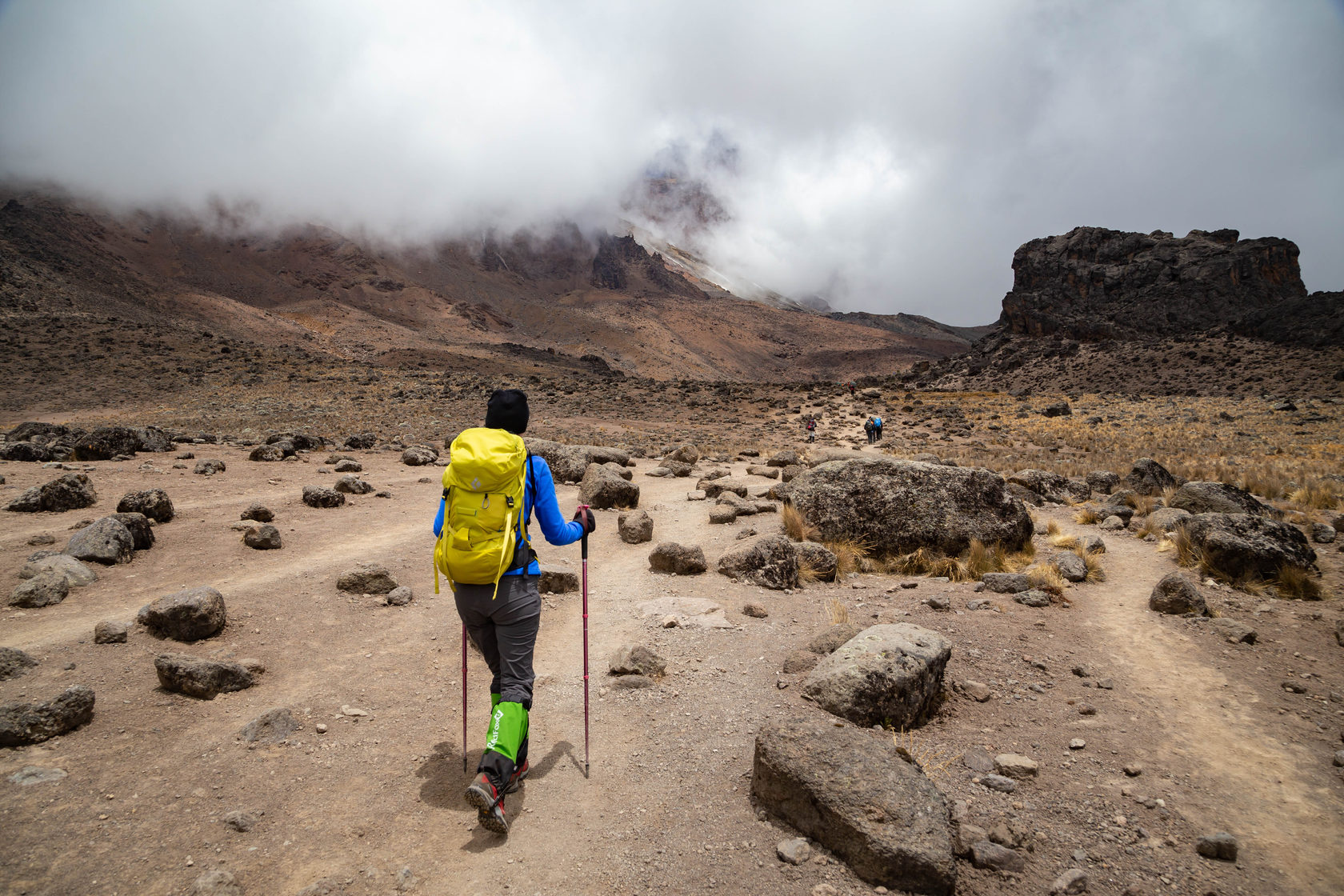
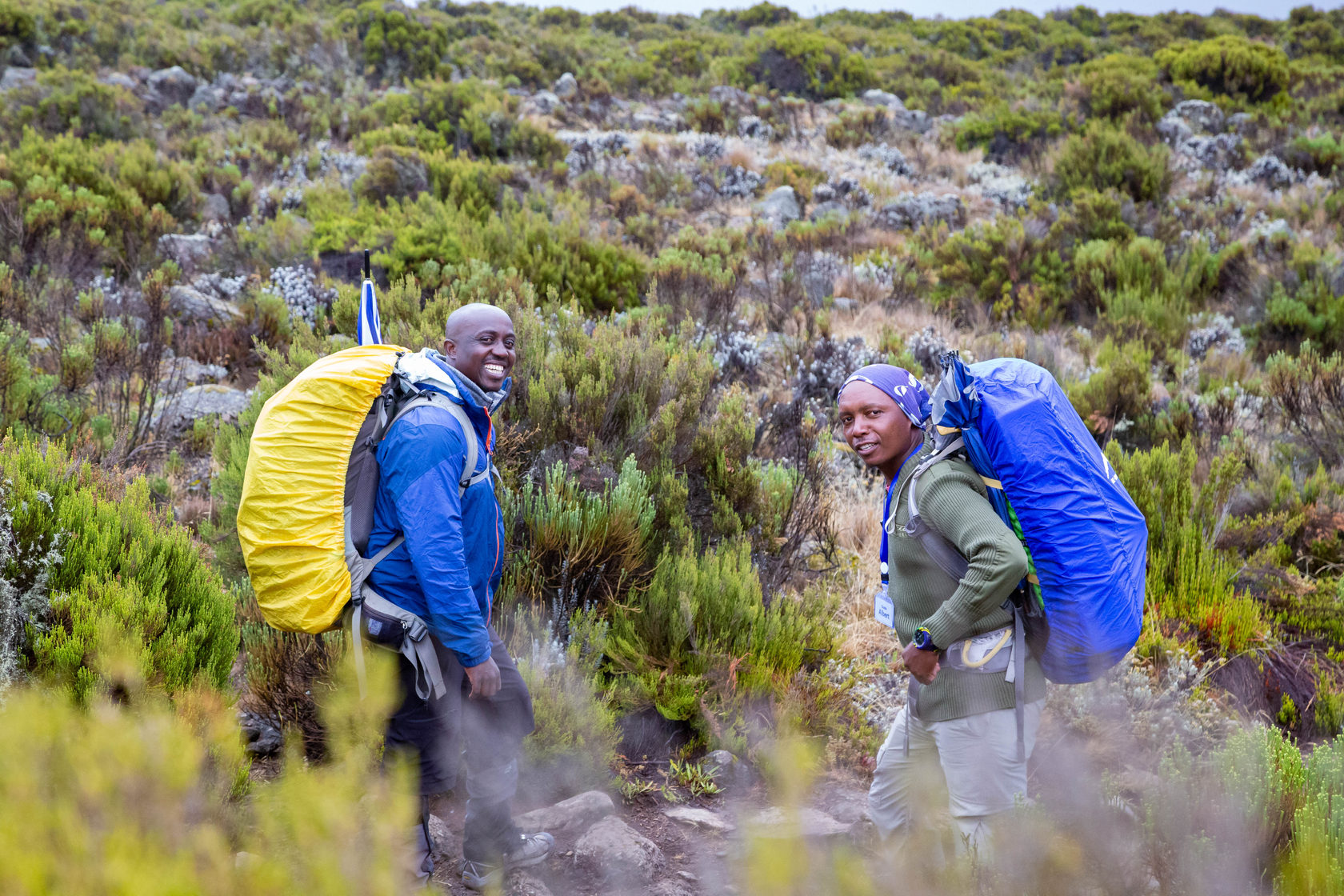
Better then a thousand words,
our photo reports
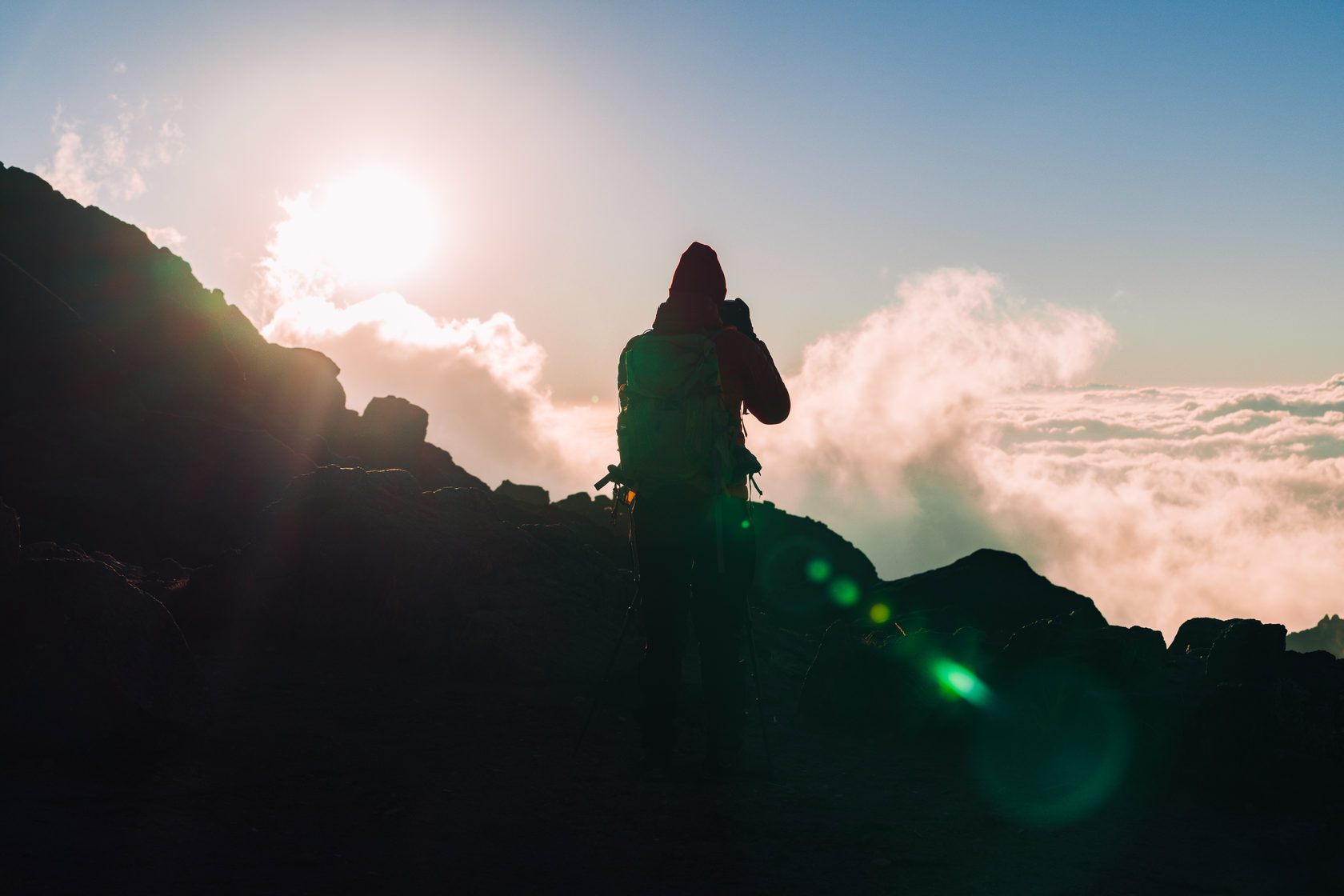
This is not a place to take pictures – it’s a place to create memories.
Do you like the feeling?
Save it to whatsapp

Where is possible?
conquer Africa’s peaks?
We fell in love with Africa for its unique nature and people. The emotions we have experienced here are hard to convey but can be given, that’s why we have dedicated our lives to it. Each point of the route has already been tried by us personally, it remains to make an individual program for you personally.


Kilimanjaro National Park, Tanzania: Climbing Routes.
 Telegram
  Whatsapp
  Viber
Viber  Skype
Skype  Email
Email  Phone
Phone 
